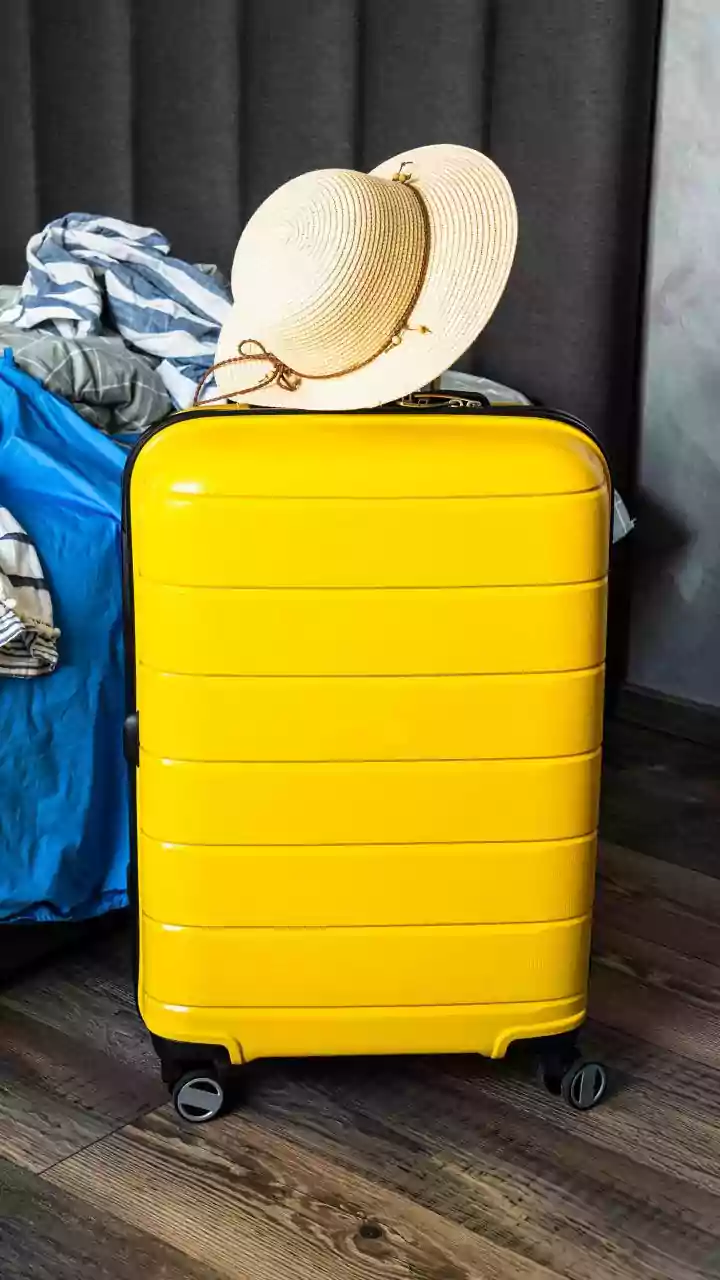




What Are Travel Compression Pouches?
Vacuum compression bags are sealable plastic pouches designed to shrink soft, bulky items by removing the air trapped within them. This process can reduce the volume of clothing and linens by as much as 60%, creating significantly more room in your suitcase.
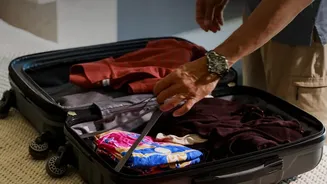
For travel, there are two main types. The first uses a small, often portable pump (manual or electric) to suck air out through a one-way valve. The second, and arguably more convenient for a short trip, is the manual roll-up bag. With these, you simply place your items inside, seal the double-zip closure, and tightly roll the bag to force the air out through special one-way vents at the bottom. No extra equipment is needed, making them perfect for repacking at your hotel.
Your Secret Weapon Against Humidity
A weekend trip to a humid, coastal destination presents a unique challenge: keeping dry clothes from feeling damp and isolating wet swimwear for the journey home. This is where the airtight seal of a compression pouch truly shines. By removing the air, you also block out environmental moisture, ensuring your clean outfits stay crisp and fresh until you're ready to wear them. On your return, these bags become the perfect quarantine zone for damp towels, swimsuits, or laundry. Sealing them away prevents moisture and odours from spreading to the rest of your belongings, so you won't have to deal with a musty suitcase when you unpack.
How to Choose the Right Pouches
When shopping for travel compression bags, durability is key. Look for pouches made from thicker, tear-resistant material (some brands specify a higher GSM, like 110gsm, which is more robust than 60gsm). A reliable double-zipper seal is crucial for maintaining compression, so inspect the quality of the closure mechanism. For roll-up bags, ensure they have an effective one-way valve system that lets air out but not back in. It's often most practical to purchase a variety pack with multiple sizes. Large bags are excellent for beach towels and jackets, while medium and small sizes are perfect for shirts, shorts, and undergarments, allowing you to organize your suitcase by item type.
Pro Tips to Minimize Wrinkles
The main drawback of extreme compression is the potential for wrinkles. However, with a few simple techniques, you can keep them to a minimum. First, always fold or roll your clothes neatly before placing them in the bag. Rolling is often recommended as it helps prevent hard creases. Second, don't overfill the bags; lay items as flatly as possible. Finally, consider the fabric. Sturdy materials like cotton, denim, and polyester blends handle compression well. For more delicate items, you can use the bags like regular packing cubes without fully compressing them on the way to your destination, then use the full compression for dirty laundry on the way back.
What Not to Pack in Compression Bags
While great for most clothes, some items should not be vacuum-sealed. Natural fibers that need to breathe, such as wool and down, can be damaged by long-term compression, as it can crush the fibers and reduce their insulating properties. For a short trip, it's generally fine, but avoid storing these items in compressed bags for months. Leather garments should never be put in compression bags, as the pressure can create permanent creases and damage the material. Also, avoid anything with sharp edges, like clothing with heavy beading or sequins, which could puncture the plastic. And remember, while these bags save space, they don't reduce weight—it's easy to pack a deceptively heavy carry-on, so keep an eye on airline weight limits.