








Why Dust Is Worse in Winter
Before diving into solutions, it helps to know why winter is prime dust season. First, we seal our homes to keep the cold out, which means less ventilation to carry dust away. Second, heating systems, especially forced-air units, kick up and circulate
dust particles that have settled in ducts and vents. Finally, cold winter air is naturally dry, and indoor heating makes it even drier. This dry air allows tiny particles like dead skin cells, pet dander, and fabric fibers to become lighter and float around for longer before settling. We also spend more time indoors, contributing more of these particles to the environment.
Upgrade Your Furnace Filter
Your HVAC system can be your greatest ally or enemy in the fight against dust. A clean, high-quality air filter is your first line of defense. Look for filters with a MERV (Minimum Efficiency Reporting Value) rating between 8 and 13. A standard, cheap filter might only catch large debris, but a MERV 8 or higher filter is much better at trapping fine dust, pollen, and pet dander. Check your filter monthly during the winter when your system is running constantly and replace it every 60 to 90 days, or as recommended by the manufacturer. A clogged filter can't trap new particles and restricts airflow, making your system less efficient.
Control Your Home's Humidity
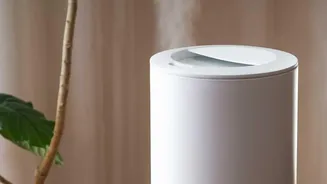
Dry air allows dust to stay airborne longer. By adding a little moisture to the air, you can make dust particles heavier, causing them to settle more quickly where they can be cleaned up. The ideal indoor humidity level is between 40% and 50%. Levels above this can encourage the growth of dust mites and mold, so moderation is key. Using a humidifier in main living areas or your bedroom can make a significant difference. Some people even place bowls of water near radiators to add moisture to the air naturally.
Dust Smarter, Not Harder
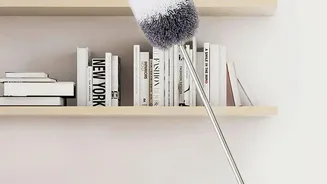
The right technique and tools are crucial. Always dust from top to bottom, so you don't knock particles onto already-cleaned surfaces. Start with ceiling fans and light fixtures, then move to shelves and furniture, and finish with baseboards and floors. The best tool for the job is a microfiber cloth, which uses an electrostatic charge to attract and trap dust particles. Lightly dampening the cloth helps it grab even more dust. Avoid feather dusters, which tend to just push dust around and send it back into the air.
Invest in an Air Purifier
While your furnace filter captures dust that cycles through your HVAC system, an air purifier cleans the air within a specific room. For best results, choose a model with a HEPA (High-Efficiency Particulate Air) filter. HEPA filters are designed to capture at least 99.97% of airborne particles as small as 0.3 microns, including fine dust, pet dander, mold spores, and bacteria. Placing an air purifier in the bedroom or main living area can dramatically reduce the amount of circulating dust and improve overall indoor air quality.
Manage Textiles and Clutter
Blankets, throw pillows, rugs, and curtains are all dust magnets. Wash bedding weekly and other linens regularly to remove dust and allergens. Vacuum upholstered furniture and curtains using a brush attachment. Additionally, the more items you have sitting on surfaces, the more places dust has to settle and the harder it is to clean. Decluttering surfaces not only makes your home look tidier but also simplifies your dusting routine and eliminates dust-collecting spots.
Trap Dust at the Source
A significant amount of dust is simply dirt and debris tracked in from outside. Place high-quality doormats at every entrance to your home to capture dirt before it gets inside. A 'no-shoes-in-the-house' rule can make an even bigger impact. Finally, vacuum floors frequently—at least once or twice a week—using a vacuum equipped with a HEPA filter. This ensures that the fine dust particles you vacuum up are trapped in the machine rather than being exhausted back into the room.