






Unveiling the Monsoon's Crimson Gem
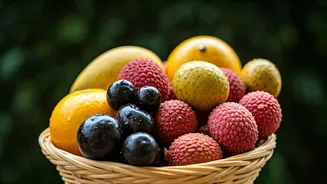
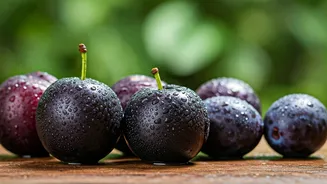
The fruit in the spotlight is the plum, known locally as Aloo Bukhara. With its deep reddish-blue skin and sweet, tangy flesh, this stone fruit becomes widely available during the Indian rainy season. While there are over 2,000 varieties worldwide, the ones
gracing Indian markets between May and October are a monsoon staple. Their arrival signals a shift in seasons, offering a fresh, juicy counterpoint to the season's often heavy, fried foods. This makes them not just a treat, but a smart addition to your seasonal diet.
An Immunity Boost When You Need It Most
The monsoon season often brings a spike in common infections like colds and flu. Plums are packed with Vitamin C, an essential nutrient for strengthening the immune system. This vitamin helps build the body's resistance against infections that are particularly common during the rainy months. Furthermore, plums are rich in antioxidants, such as anthocyanins, which give the fruit its characteristic red and purple colour. These compounds fight off free radicals, protecting your cells from damage and reducing inflammation, giving your body a much-needed defensive shield.
A Natural Ally for Monsoon Digestion
Digestive issues can become more frequent during the monsoon due to higher humidity and a greater risk of water-borne diseases. Plums are an excellent source of dietary fibre, which is crucial for maintaining a healthy digestive system. The fibre helps prevent constipation by adding bulk to the stool and ensuring regular bowel movements. Plums also contain sorbitol, a natural sugar alcohol that has a mild laxative effect, further aiding digestive regularity and helping you feel lighter and more comfortable.
More Than Just a Sweet Treat
Beyond immunity and digestion, plums offer a wide array of health benefits. They are a good source of potassium, which helps regulate blood pressure and supports heart health. Their low glycemic index means they don't cause sharp spikes in blood sugar, making them a suitable choice for many. Plums also contain nutrients like Vitamin K and boron, which are important for maintaining bone density and health. With a high water content of around 88%, they also contribute to your hydration needs during humid weather.
How to Pick and Enjoy the Perfect Plum
When shopping for plums, look for fruits that feel heavy for their size and are free of blemishes or soft spots. A ripe plum will yield slightly to gentle pressure. If you buy plums that are still firm, you can let them ripen at room temperature for a few days; placing them in a paper bag can speed up the process. Once they are ripe and fragrant, you can store them in the refrigerator for up to a few weeks. Enjoy them fresh as a snack, slice them into salads, or cook them down into a delicious chutney or dessert to make the most of their seasonal flavour.