




The Romance of the Rails
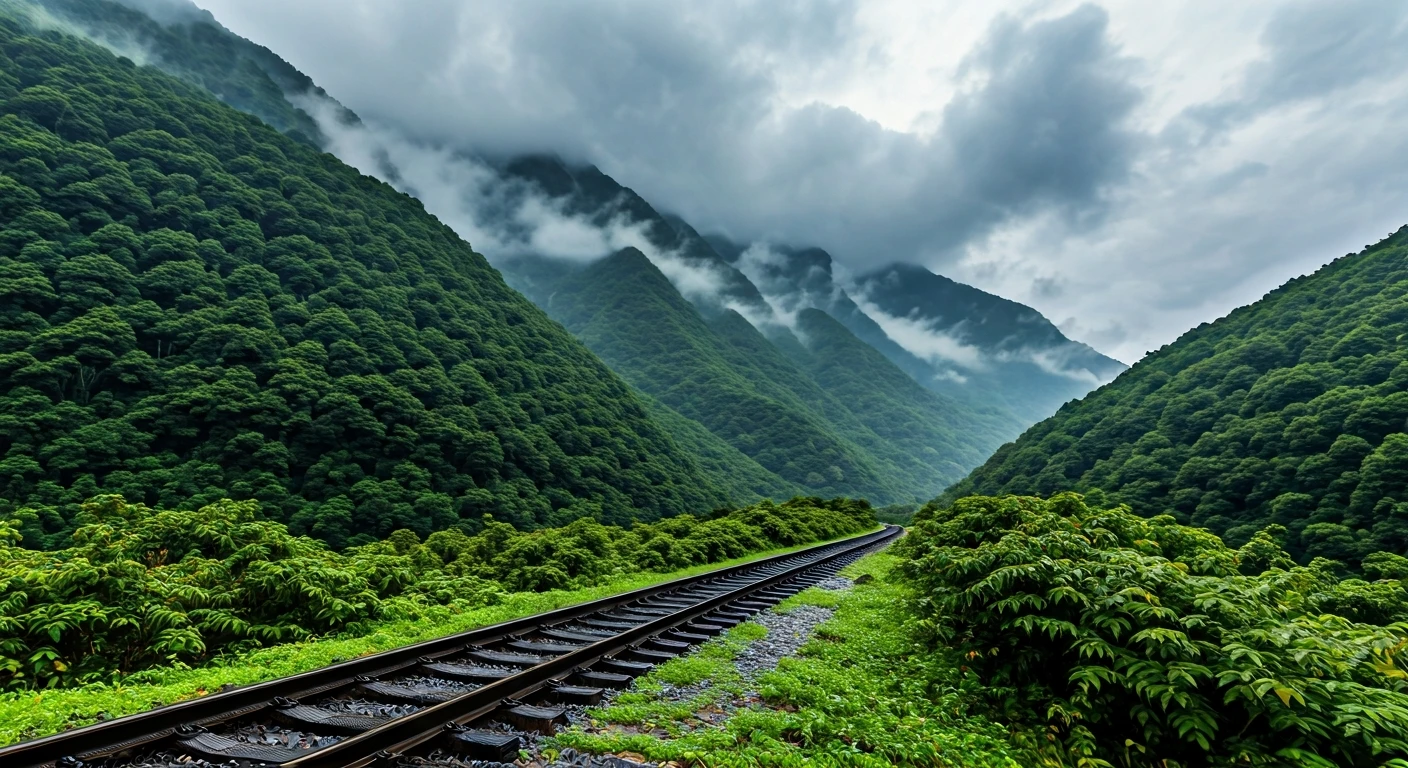
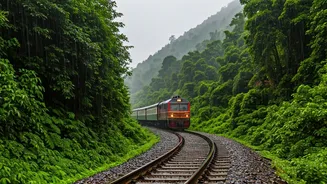
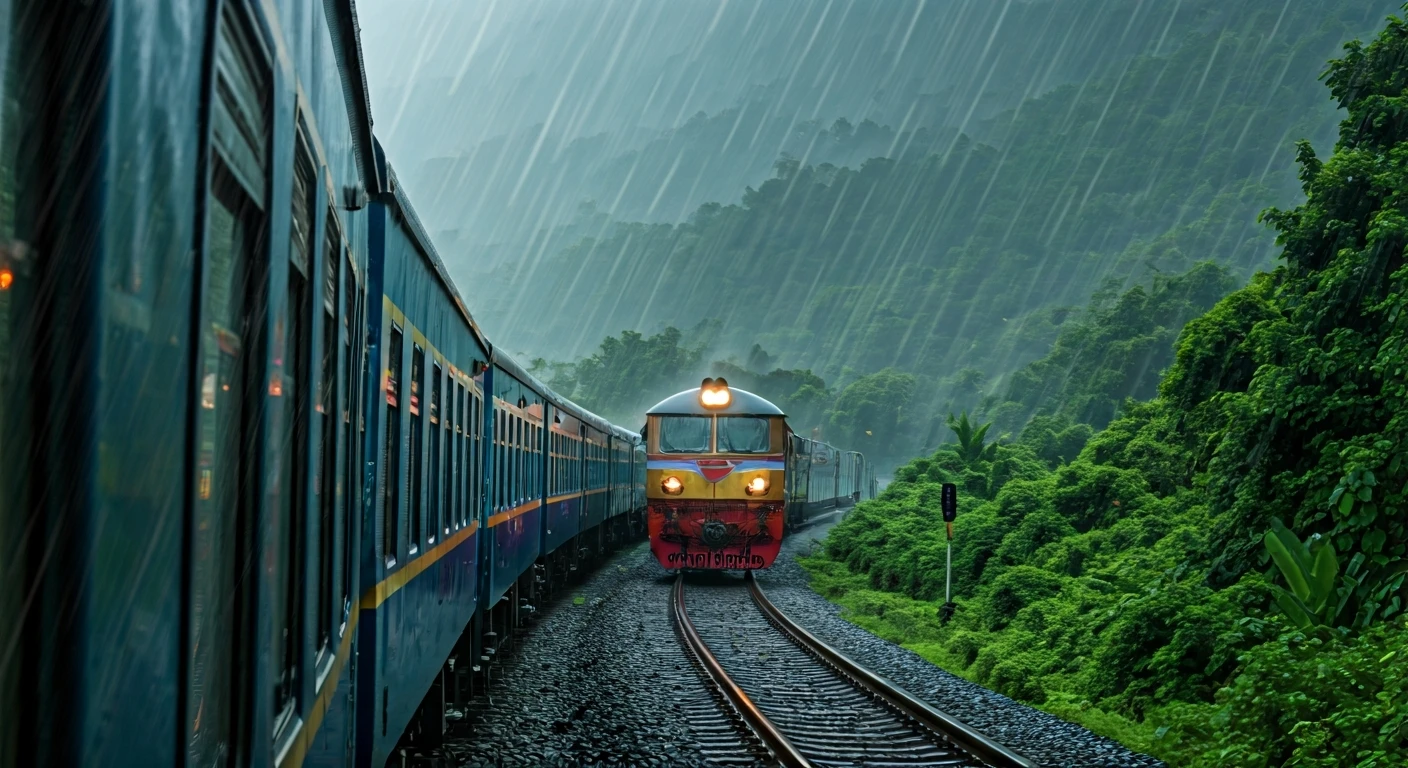
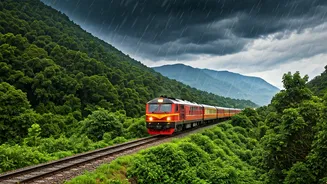
There’s a unique magic to a train journey during the Indian monsoon that a car ride can never replicate. It’s a sensory experience that begins the moment the train pulls away from the station. The world outside transforms into a moving painting of lush,
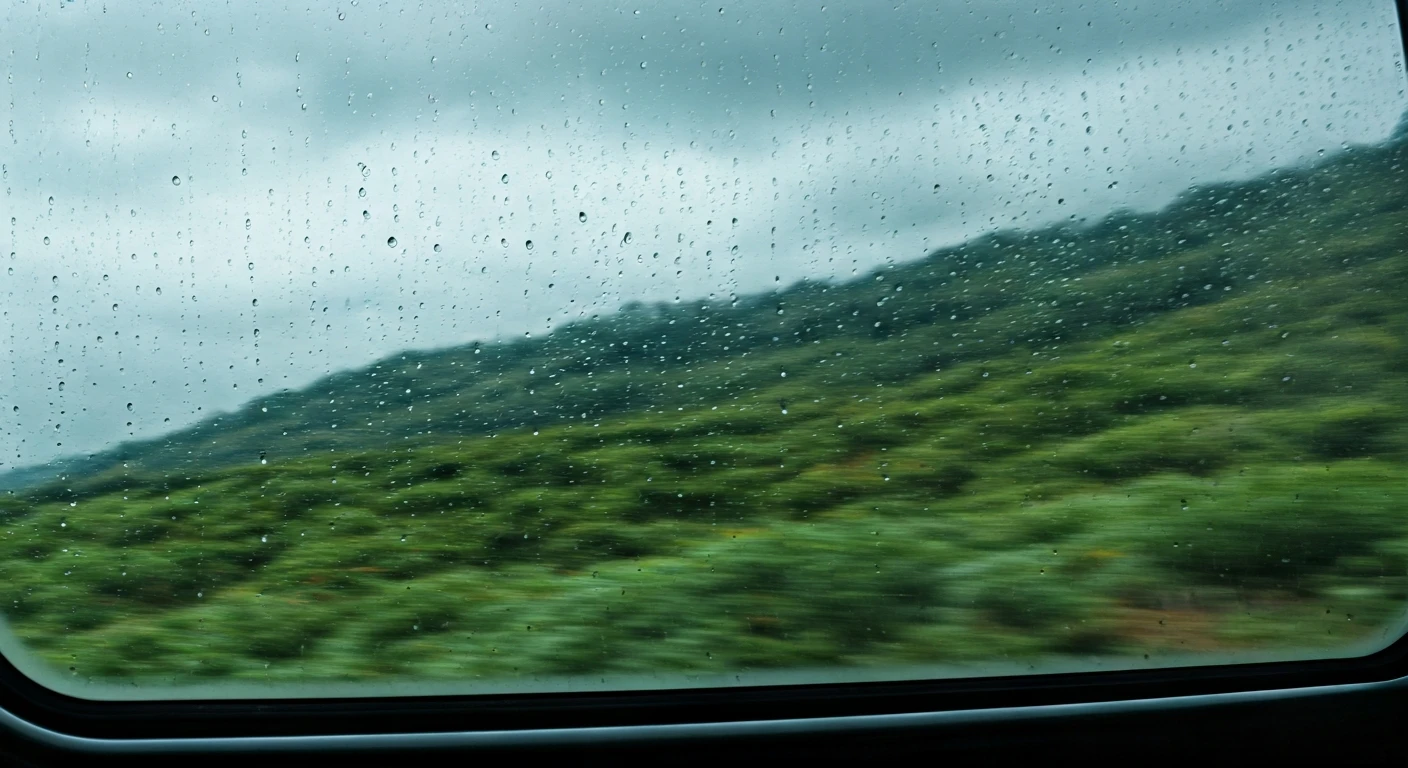
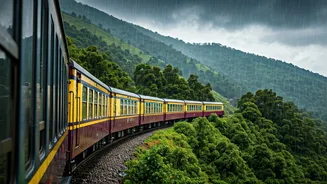
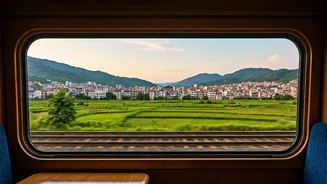
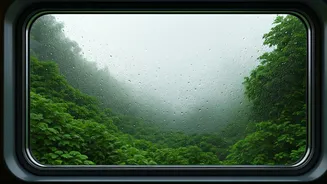
rain-washed landscapes. Waterfalls, suddenly brought to life, cascade down cliffs right beside the tracks, and rivers swell with a newfound energy. The rhythmic clatter of the wheels becomes a soothing soundtrack, a meditative beat that encourages you to unwind. Instead of gripping a steering wheel, your only job is to watch the scenery unfold through a window streaked with raindrops. Holding a warm cup of chai, you can gaze at misty mountains, vibrant green fields, and villages huddled under grey skies. Journeys like the one on the Konkan Railway from Mumbai to Goa, or the heritage toy train to Shimla, become less about the destination and more about the serene, immersive experience of travel itself. It is a peaceful, therapeutic way to witness nature's seasonal revival.
The Grinding Reality of the Road
In stark contrast, the fantasy of a scenic monsoon drive to a popular hill station often dissolves into a stressful ordeal. The reality for many is not misty, empty roads, but bumper-to-bumper traffic snaking up narrow mountain passes. Popular destinations like Manali, Nainital, and Mussoorie see their approach roads choked with vehicles, turning a few hours’ drive into an all-day frustration. The monsoon adds a layer of genuine risk. Heavy rains saturate the soil, making steep Himalayan and Western Ghats slopes prone to landslides that can block roads for hours, if not days. Many key routes, including the Kalka-Shimla, Manali-Leh, and Jammu-Srinagar highways, are frequently hit by disruptions, leaving travellers stranded. Even if you dodge a landslide, the drive itself is demanding, requiring intense focus on slippery hairpin bends, poor visibility in heavy fog, and the constant threat of falling debris. The idyllic escape quickly becomes a test of patience and nerve.
A Journey vs. a Battle
The fundamental difference lies in your role as a traveller. On a train, you are a passive observer, free to absorb the beauty around you. You can read, talk, eat, or simply daydream as the world glides by. The journey is part of the vacation. Driving, on the other hand, makes you an active combatant against traffic, terrain, and weather. The focus is on conquering the road rather than enjoying the landscape. While some may find this adventurous, during the peak monsoon in crowded corridors, it is mostly just exhausting. The train offers a predictable, climate-controlled environment, shielded from the downpour and the chaos outside. Even when train services are delayed or, in rare cases, suspended on vulnerable heritage lines due to extreme weather, the railway network generally proves more resilient than single-lifeline hill roads. It allows you to surrender to the journey, not fight it.
The Practical Choice for a Peaceful Mind
Beyond the romantic and philosophical arguments, practical considerations also heavily favour the train. For one, it’s often safer. You eliminate the risks associated with driving on treacherous, rain-slicked mountain roads. There are no concerns about finding secure parking in crowded hill towns or navigating waterlogged streets. Economically, while Vande Bharat fares can be comparable to budget flights, train travel is generally more cost-effective than driving, especially when factoring in fuel, tolls, and the potential wear and tear on your vehicle. Modern coaches, including the popular Vistadome carriages with their panoramic windows, offer a level of comfort and viewing pleasure that a car simply cannot match, especially for families. Ultimately, choosing the train is choosing peace of mind. It’s an invitation to slow down and let the journey be as rejuvenating as the destination itself.