




Decoding Gold Purity or Karat
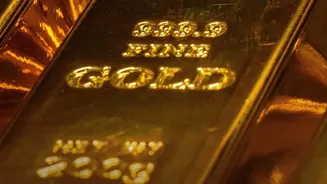
The first step in valuation is understanding gold's purity, which is measured in karats (K). Pure gold is 24 karats, meaning it is 99.9% pure. However, 24K gold is too soft for making most jewellery. To make it more durable, it's mixed with other metals
like copper, silver, or zinc. This is why most Indian jewellery is 22K, which consists of 91.6% pure gold (22 parts gold and 2 parts other metals). You will also find 18K gold, which has 75% pure gold, and 14K gold, with 58.3% gold content. The higher the karat, the more pure gold your jewellery contains, and therefore, the higher its base value.
The BIS Hallmark: Your Guarantee of Purity
The Bureau of Indian Standards (BIS) hallmark is a certification that confirms the purity of the gold. It’s a crucial factor for getting a fair price. Since 2021, the government has made hallmarking for gold jewellery mandatory for jewellers to ensure transparency and protect consumers. A modern BIS hallmark consists of three marks: the BIS logo (a triangle), a symbol indicating the purity (e.g., 22K916 for 22K gold), and a six-digit alphanumeric Hallmark Unique Identification (HUID) number. This HUID code is unique to each piece and allows for complete traceability, linking it to the jeweller and the hallmarking centre. You can even verify this HUID using the BIS CARE mobile app.
How Is Old Gold Valued?
When you take your old gold to a jeweller, the process generally follows a standard formula to determine its value. The final price is calculated based on the weight of pure gold in your item and the current market rate for gold. The formula is: Final Value = (Weight of Gold × Purity ÷ 24) × Today's Gold Rate – Deductions. For hallmarked jewellery, the purity is clearly stated. If your gold is not hallmarked, the jeweller will test its purity, often using an X-ray fluorescence (XRF) machine for accuracy. Insist on this modern, non-destructive testing method to get a precise reading. Without a hallmark, the valuation relies on the buyer's test, which can sometimes lead to lower estimates.
Common Deductions to Expect
It's important to be aware of the deductions that jewellers typically apply. First, if your jewellery contains any stones, pearls, or enamel work, their weight will be removed from the total, as you are only paid for the gold. Some traditional pieces might also contain wax (lac), which will also be deducted. Many jewellers also subtract a percentage for melting or refining charges, often around 2-3%, to cover the cost of converting your old jewellery into pure gold. Unlike when you buy jewellery, the making charges and GST you originally paid are not refunded when you sell. The resale value is based purely on the gold content.
Getting the Best Possible Price
To ensure you receive a fair price, always check the day's live gold rate before you visit a jeweller. Having the original purchase invoice can be helpful as it documents the item's purity. If your jewellery is hallmarked, especially with a HUID, there is little room for dispute on its purity. For non-hallmarked gold, getting it tested at a certified hallmarking centre yourself before selling can give you a clear idea of its purity and empower you during negotiations. Don't hesitate to visit multiple reputed jewellers to compare their offers, as policies on deductions can vary. A transparent buyer will explain each step of the valuation and every deduction clearly.