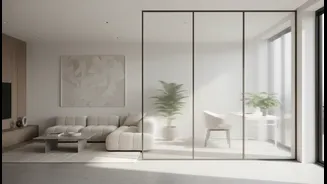





From Clinical White to Comfortable Calm
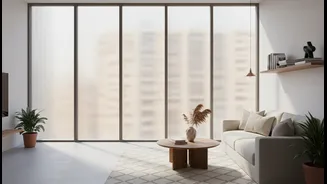
The era of the stark, gallery-like home is fading. While all-white interiors once felt fresh, many homeowners are now seeking spaces that feel more inviting, comfortable, and reflective of their personality. The shift isn't about abandoning minimalism's
'less is more' philosophy, but about redefining it. Instead of cold and impersonal, the goal is to create a restorative sanctuary that connects us to the natural world. It’s a move away from decorating for social media perfection and toward creating spaces that support genuine daily living.
What Exactly Is Earthy Minimalism?
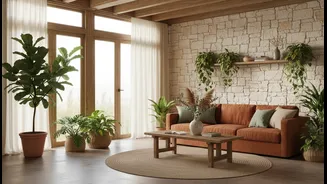
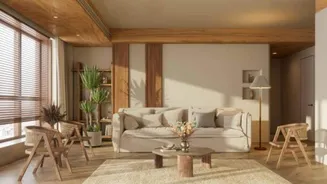
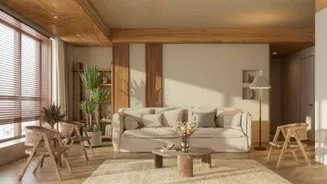
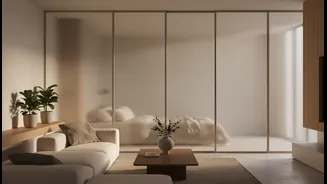
Earthy minimalism combines the simplicity of minimalist design with the warmth and character of nature. It’s not about empty, barren rooms. Instead, it’s about thoughtfully curating your space with items that are both functional and meaningful. The focus is on natural materials, organic textures, and a cohesive colour palette inspired by the outdoors to create a home that feels both beautiful and deeply welcoming. It's a style that embraces imperfection and celebrates materials that tell a story.
Building an Earth-Inspired Colour Palette
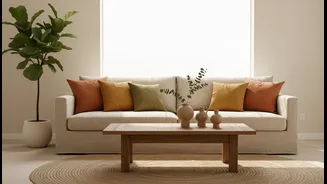
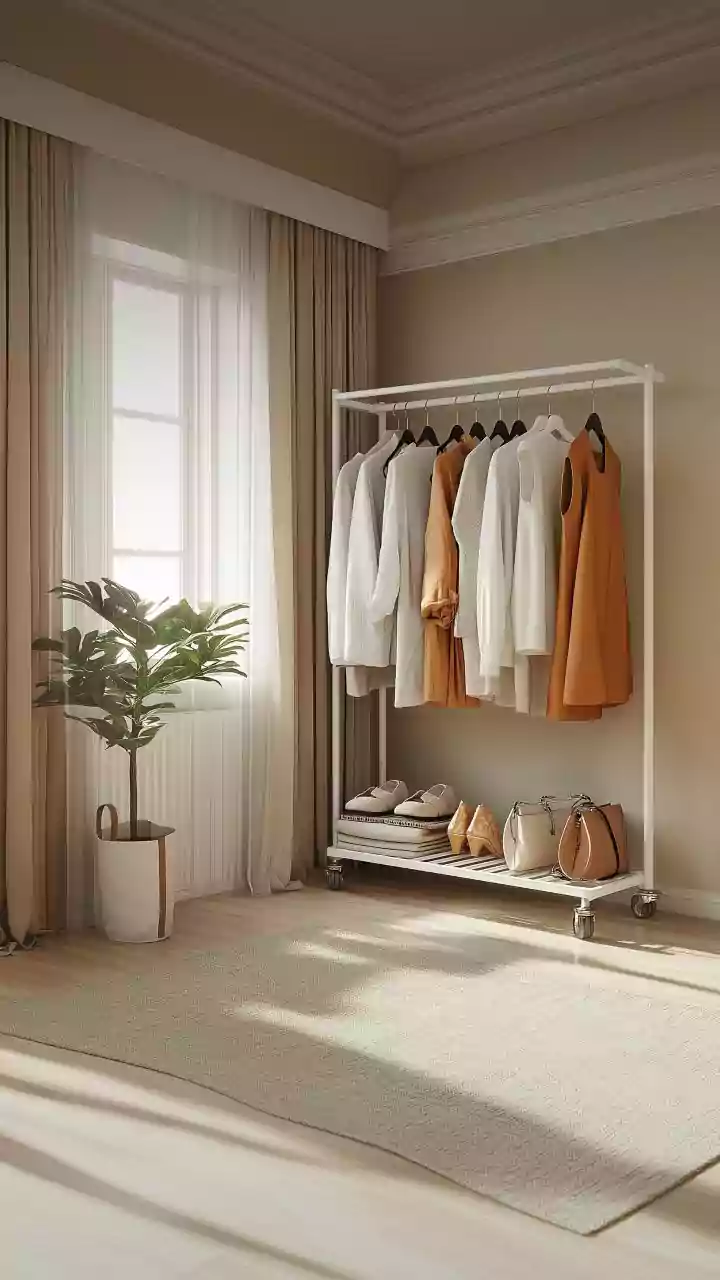
Moving beyond pure, brilliant white is the first step. The earthy minimalist palette is built on warm, soft neutrals that provide a calming backdrop. Think shades like cream, beige, oatmeal, and greige (a mix of grey and beige). These are layered with deeper tones drawn from nature: terracotta, rust, soft olive or sage green, and warm chocolate browns. These colours add depth and warmth while maintaining a clean, uncluttered aesthetic, creating a cocooning effect.
Embrace Natural and Tactile Materials
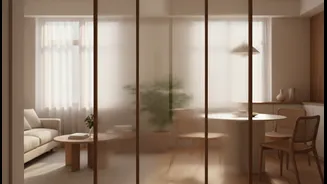
Materials are at the heart of this trend. Wood is a key player, especially with visible grain, a natural edge, or in reclaimed forms. It instantly adds warmth to floors, furniture, or even as wall panelling. Other essential materials include stone, rattan, jute, and bamboo, often used in furniture and decor. For textiles, focus on natural fibres like linen, wool, and organic cotton for everything from curtains to bedding and rugs. These materials not only look authentic but also feel wonderful to the touch, engaging the senses.
It’s All About Layering Textures
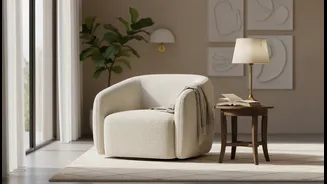
A key principle to prevent a minimalist space from feeling flat is to layer textures. This adds visual interest and depth without creating clutter. Imagine pairing a smooth wooden coffee table with a chunky knit throw, a rough-hewn ceramic vase, and a soft jute rug. You can also add texture to walls with finishes like lime wash or clay plaster, which provide a soft, matte surface with subtle depth. These tactile details make a room feel lived-in, considered, and rich.
Curate, Don’t Collect
While minimalism advocates for less, earthy minimalism emphasizes that each piece should have a purpose or personal meaning. The focus is on quality over quantity. Choose furniture with clean lines but soft, organic shapes. Decor should be intentional: a hand-carved wooden bowl, a piece of vintage pottery, or artwork collected over time. Bringing nature indoors with plenty of houseplants is another hallmark of the style, adding life and a pop of natural green that complements the earthy palette perfectly.