




The Two-Hour Rule
The most critical guideline for food safety is the 'two-hour rule'. According to food safety experts, perishable cooked foods like rice and curries should not be left at room temperature for more than two hours. This is because of the 'temperature danger
zone,' which ranges from 4°C to 60°C. Within this temperature range, bacteria can multiply rapidly. In fact, just one bacterium can multiply into over two million in seven hours. For many parts of India where the climate is warmer, this window shrinks even further. If the ambient temperature is above 32°C (90°F), food should not be left out for more than one hour. This includes the time the food spends on the dining table during your meal.
Why Rice Is a Special Case
While the two-hour rule applies to all cooked foods, rice carries a unique risk that deserves special attention. Uncooked rice can contain spores of a bacterium called Bacillus cereus. These spores are incredibly resilient and can easily survive the cooking process. When cooked rice is left to stand at room temperature, these dormant spores can germinate and grow into active bacteria. As they grow, they produce toxins that can cause food poisoning, with symptoms like vomiting and diarrhoea. This is often called 'reheated rice syndrome'. The most dangerous part is that these toxins are heat-stable, meaning that even thoroughly reheating the rice will not destroy them and make the food safe to eat again.
What About Curries and Dals?
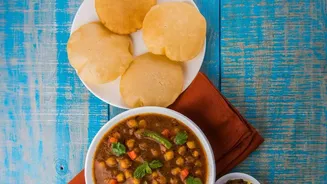
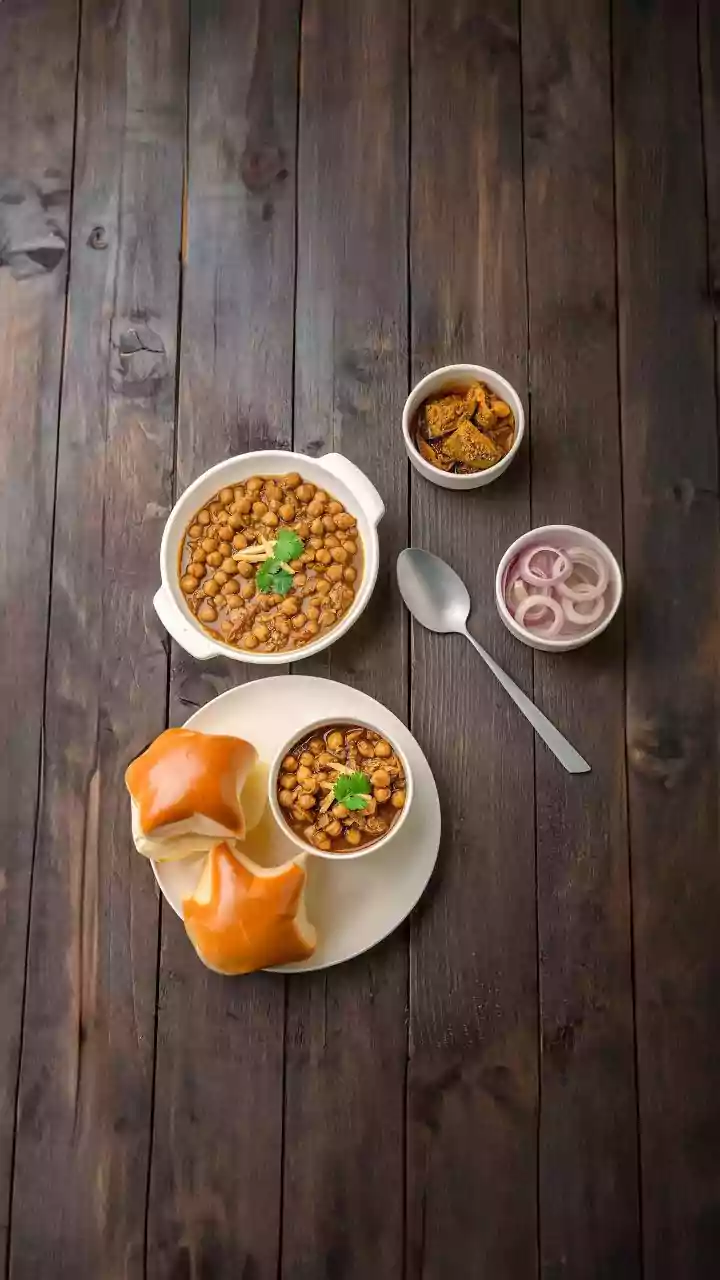
The same two-hour rule applies to all your favourite curries, whether they are vegetable-based like sambar, lentil-based like dal fry, or contain paneer or meat. Dishes containing dairy, coconut milk, or meat are particularly susceptible to bacterial growth and must be handled with care. The principles remain the same: keep them out of the temperature danger zone. Once cooked, these dishes need to be cooled and refrigerated promptly to prevent spoilage. While the spices in some curries might have mild antimicrobial properties, they are not powerful enough to prevent bacterial growth if the food is left at unsafe temperatures for too long.
The Right Way to Cool and Store
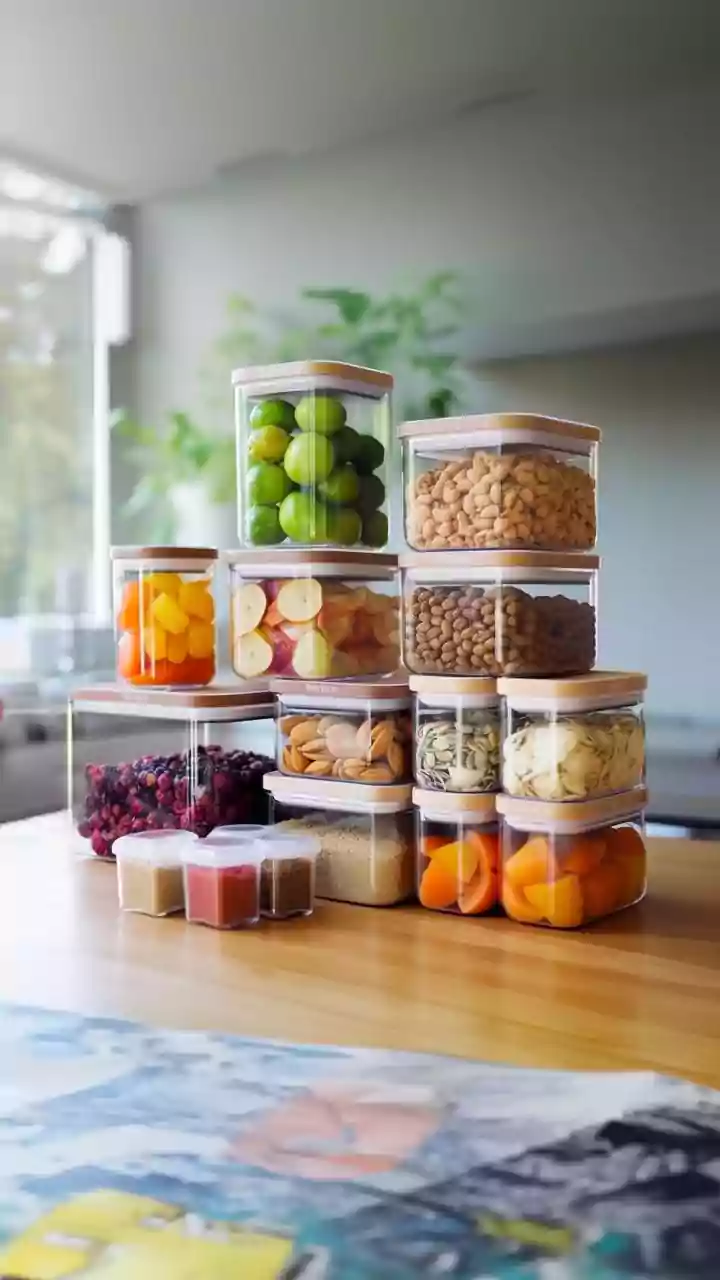
Leaving a large, hot pot of dal or curry on the kitchen counter to cool for hours is a common but risky practice. A large volume of dense food cools very slowly, spending a long time in the temperature danger zone. To cool food safely and quickly, divide large quantities into smaller, shallower containers. Spreading rice out on a tray is also an effective way to help it cool faster. You can speed up the process further by placing the containers in an ice or cold water bath and stirring the contents occasionally. Once the food has stopped steaming, it can be placed in the refrigerator. It's a myth that hot food can't go in the fridge; modern refrigerators are designed to handle it. Loosely cover the containers initially to allow steam to escape before sealing them tightly once they are fully chilled. Leftovers can typically be stored in the refrigerator for three to four days.
Reheating for Maximum Safety
When it's time to enjoy your leftovers, reheating them properly is the final step to ensure safety. The goal is to heat the food thoroughly, not just make it warm. Use a food thermometer to ensure your leftovers reach an internal temperature of 74°C (165°F). When using a microwave, cover the food and stir it midway through to ensure there are no cold spots where bacteria can survive. For liquid dishes like soups, sauces, and dals, bringing them to a rolling boil on the stovetop is a reliable way to know they have reached a safe temperature. It's also best practice to avoid reheating the same leftovers multiple times, as this repeated cycle of cooling and heating can encourage bacterial growth.