






The Science of 'Weightlessness'
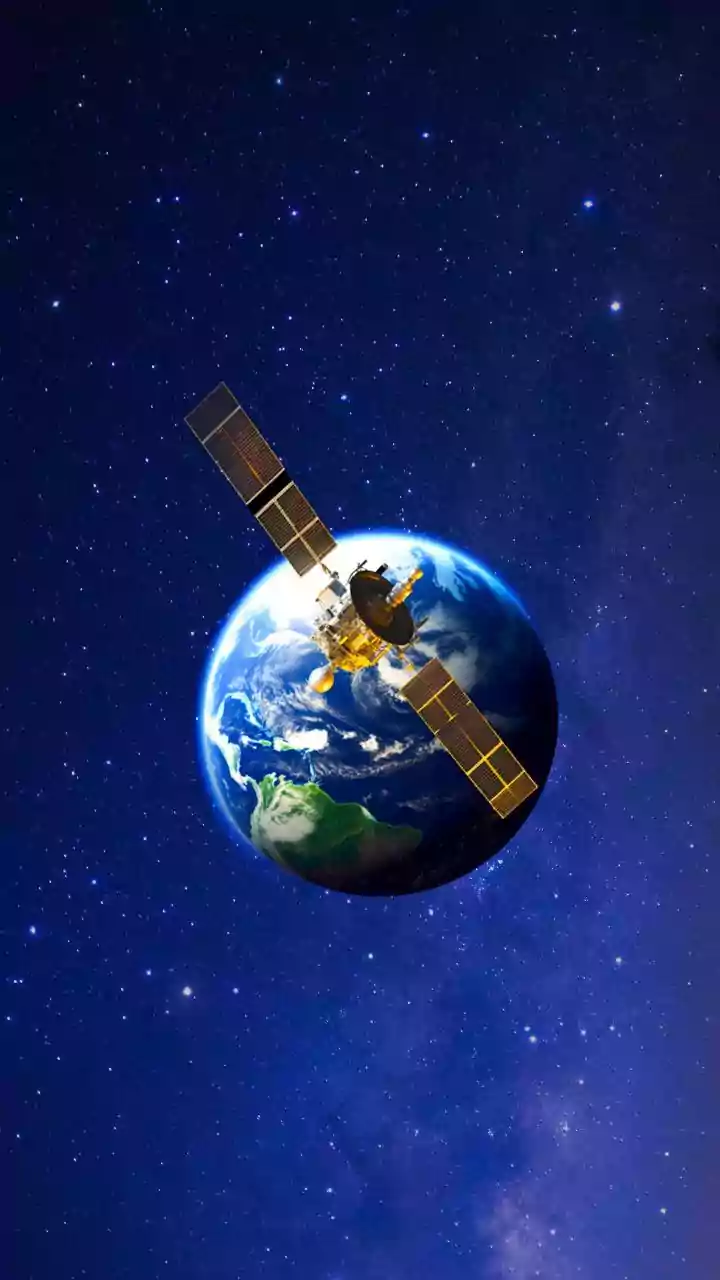
Microgravity, often described as 'weightlessness', is the condition experienced in space where the pull of gravity is significantly reduced. This unique environment is a paradise for scientists. On Earth, gravity influences everything; it causes heavier
fluids to settle, puts stress on structures, and affects how living cells grow. By removing this variable, researchers can observe physical and biological processes in their purest form. This opens the door to major breakthroughs. For instance, in microgravity, protein crystals—essential for designing new medicines—can grow larger and more perfectly, allowing for better drug development. It also enables the creation of advanced materials with unique properties and offers a powerful model for studying the effects of ageing on the human body, as astronauts in space experience accelerated bone density loss and muscle atrophy.
ISRO's Grand Invitation: The IMEx-2026 Programme
Capitalising on this potential, ISRO has launched a major initiative called the Indian Microgravity Experiments programme, or IMEx-2026. This is more than just an internal project; it is an open invitation to the entire Indian scientific community. Through this 'Announcement of Opportunity', ISRO is calling on researchers from universities, national laboratories, and even private start-ups to propose their own experiments. A recent national workshop organised by ISRO in July 2026 brought together over 270 experts to kickstart the creation of a nationwide ecosystem for this research. The goal is to transform India's future human spaceflight missions from simple technology demonstrations into powerful platforms for cutting-edge science, with research planned for both the upcoming Gaganyaan missions and the future Bharatiya Antariksh Station.
Laboratories in the Sky
ISRO's vision includes a multi-tiered approach to microgravity research, ensuring that a wide range of ideas can be tested. For short-duration experiments, the agency is developing platforms like the Sub-Orbital Launch Vehicle for Experiments (SOLVE), a cost-effective way to get payloads to the edge of space and back. For more complex and long-duration studies, the ultimate destination will be low Earth orbit. The crew module of the Gaganyaan spacecraft will serve as India's first orbiting laboratory for its own astronauts to conduct experiments. Looking further ahead, the proposed Bharatiya Antariksh Station is envisioned as a permanent outpost for sustained scientific activity. This tiered system allows scientists to first prove their concepts on a smaller scale before getting the chance to fly their experiments on a prestigious human spaceflight mission.
A New Frontier for Students and Young Researchers
The headline's focus on 'young scientists' is central to ISRO's strategy. While the IMEx-2026 programme is aimed at principal investigators, ISRO has long-standing programmes designed to nurture talent from the very beginning. The Internship Scheme and the Student Project Trainee Scheme offer university students a direct pathway to work on real-world projects at various ISRO centres. These opportunities are available for students pursuing degrees in engineering, technology, and science, requiring a good academic record. Participants get hands-on experience, work alongside top scientists, and receive a certificate upon completion. Although these internships are typically unpaid, they provide invaluable exposure and serve as a critical stepping stone, building a skilled workforce ready to contribute to ambitious national goals like the human spaceflight programme. These foundational experiences are precisely what will prepare the next generation to design and lead the microgravity experiments of tomorrow.