




Return to the Moon, This Time to Stay
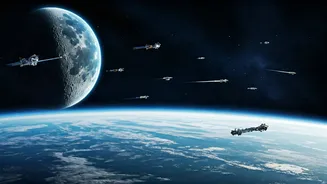
The dream of a permanent human presence beyond Earth is starting on the Moon. NASA's Artemis program is leading a global coalition to establish a long-term foothold on the lunar surface. Following the successful crewed fly-by of the Moon with Artemis II
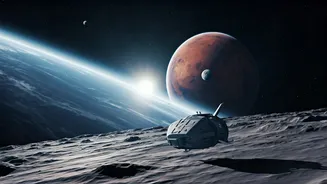
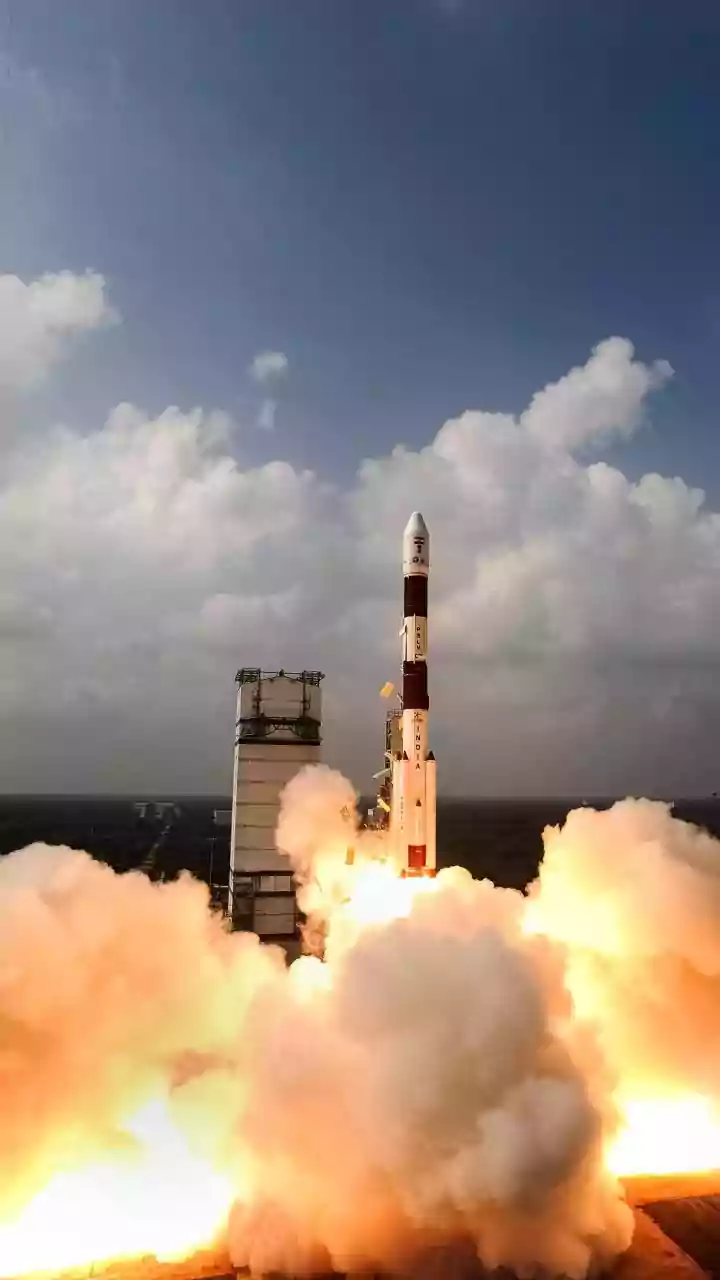
in April 2026, the program is now gearing up for increasingly complex missions. Artemis III, planned for 2027, will see astronauts test key rendezvous and docking technologies in Earth orbit with lander prototypes from SpaceX and Blue Origin. The first crewed landing is now targeted for Artemis IV in 2028. This renewed lunar focus isn't just an American endeavour. China is also accelerating its lunar program, with plans to land astronauts on the Moon by 2030 and establish an international lunar research station. Its Chang'e series of robotic missions continues, with Chang'e 7 targeting the resource-rich lunar south pole in 2026. India, fresh off its historic Chandrayaan-3 south pole landing, is planning a sample return mission (Chandrayaan-4) for 2027 and a joint mission with Japan (LUPEX) to explore for water ice.
The Martian Dream Becomes a Blueprint
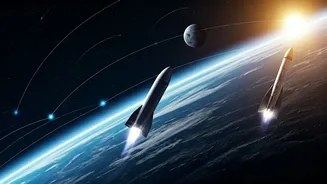
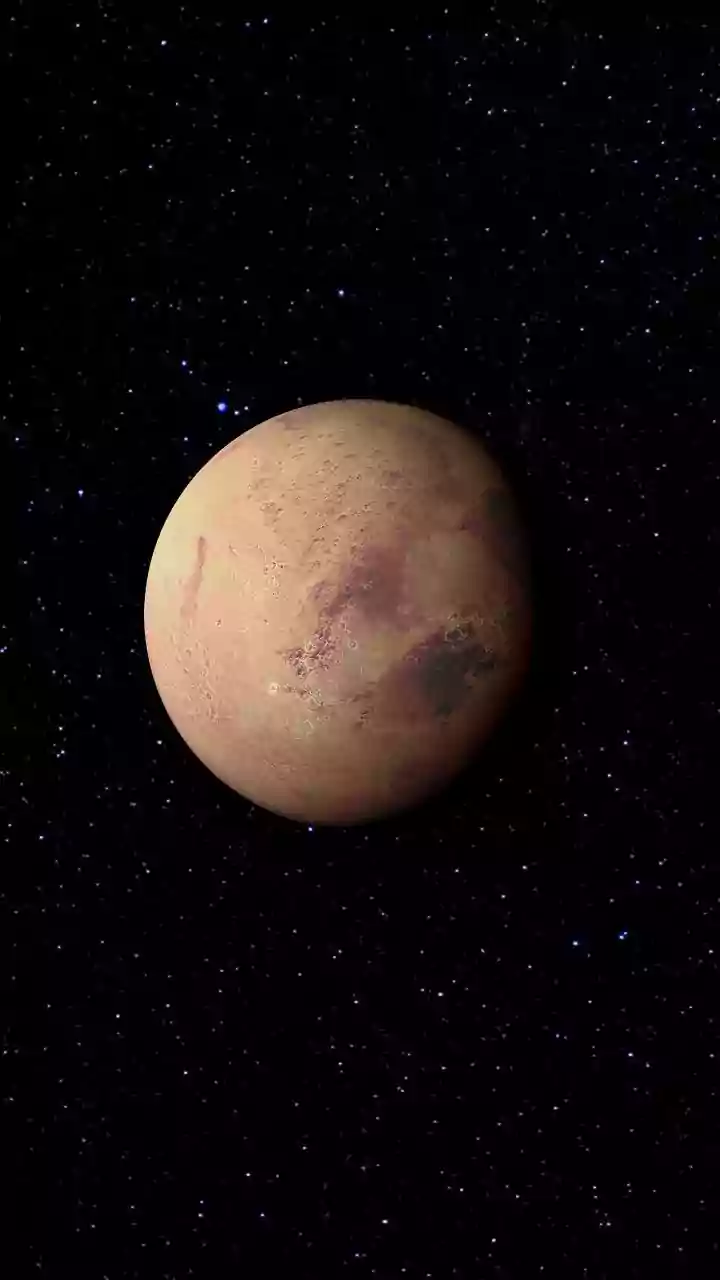
Mars remains the horizon goal for human exploration, and the pieces are slowly falling into place. The key challenge has always been transportation—how to get crews and massive amounts of cargo to the Red Planet. SpaceX's Starship, the fully reusable super heavy-lift rocket, is seen as the primary solution. The company is targeting an aggressive launch cadence, hoping for monthly flights and a potential orbital test in 2026, with the ultimate goal of supporting Mars colonization. While human missions are still on the horizon, robotic exploration continues to pave the way. Japan's Martian Moons eXploration (MMX) mission is set to launch in late 2026 to study Phobos and Deimos and return a sample from Phobos. Meanwhile, plans for the ambitious Mars Sample Return mission, a joint NASA and European Space Agency effort to bring back rock samples collected by the Perseverance rover, are moving forward, though with a revised schedule. China also has its sights set on Mars, with its own sample return mission, Tianwen-3, planned for a late 2028 launch.
The Commercial Space Revolution
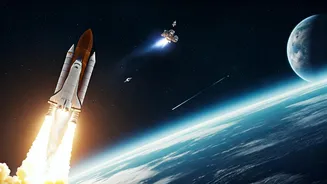
Perhaps the biggest shift in this new era is the rise of the commercial space sector. What was once the sole domain of national governments is now a bustling marketplace of innovation. Companies led by billionaires—like Elon Musk's SpaceX, Jeff Bezos's Blue Origin, and Richard Branson's Virgin Galactic—are fundamentally changing the economics of spaceflight. SpaceX's partially reusable Falcon 9 rockets have already dominated the launch market, and its Starlink constellation has become the largest satellite network in history. Blue Origin and Virgin Galactic are competing in the suborbital space tourism market, having both flown their founders to the edge of space. Beyond tourism, private companies are developing entire space stations and providing critical services. A recent report from NASA's own Inspector General highlighted how the agency's launch infrastructure is being stretched to its limits by the surge in commercial activity, a testament to the sector's explosive growth.
New Eyes on the Universe
While humanity pushes outward, our ability to look outward has also taken a quantum leap. The James Webb Space Telescope (JWST) has been revolutionizing astronomy since it began operations in 2022. Orbiting the Sun a million miles from Earth, Webb's infrared vision allows it to peer back to the dawn of time, revealing the earliest galaxies and the atmospheres of distant exoplanets. Recent discoveries include stunningly detailed images of the Orion A star-forming region and clues about the ancient origin of an interstellar comet named 3I/ATLAS. Webb is not alone. China plans to launch its Xuntian space telescope in late 2026, which will co-orbit with its Tiangong space station and survey vast swathes of the sky. And NASA is preparing the Nancy Grace Roman Space Telescope, set to launch in September 2026, which will hunt for exoplanets and probe the mysteries of dark energy.