






The New Face of Luxury
A culinary shift is redefining luxury on the Indian plate. The prestige once attached to imported truffle oil, quinoa, and avocados is now being claimed by humble, indigenous ingredients. Chefs across the country are moving beyond the standard farm-to-table
narrative and diving deep into India's rich agricultural heritage. This isn't just about sourcing locally; it's about celebrating the unique flavours, stories, and nutritional wisdom embedded in ingredients that were, until recently, often overlooked or confined to home kitchens. Restaurants are building their identities around this philosophy, creating menus that are both innovative and deeply rooted in Indian terroir. This movement is driven by a new generation of chefs and increasingly curious diners who are eager to explore the true diversity of Indian food.
Grains Beyond Wheat and Rice
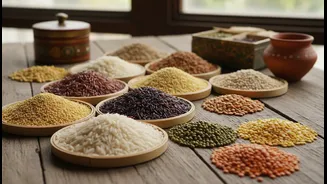
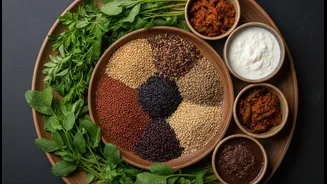
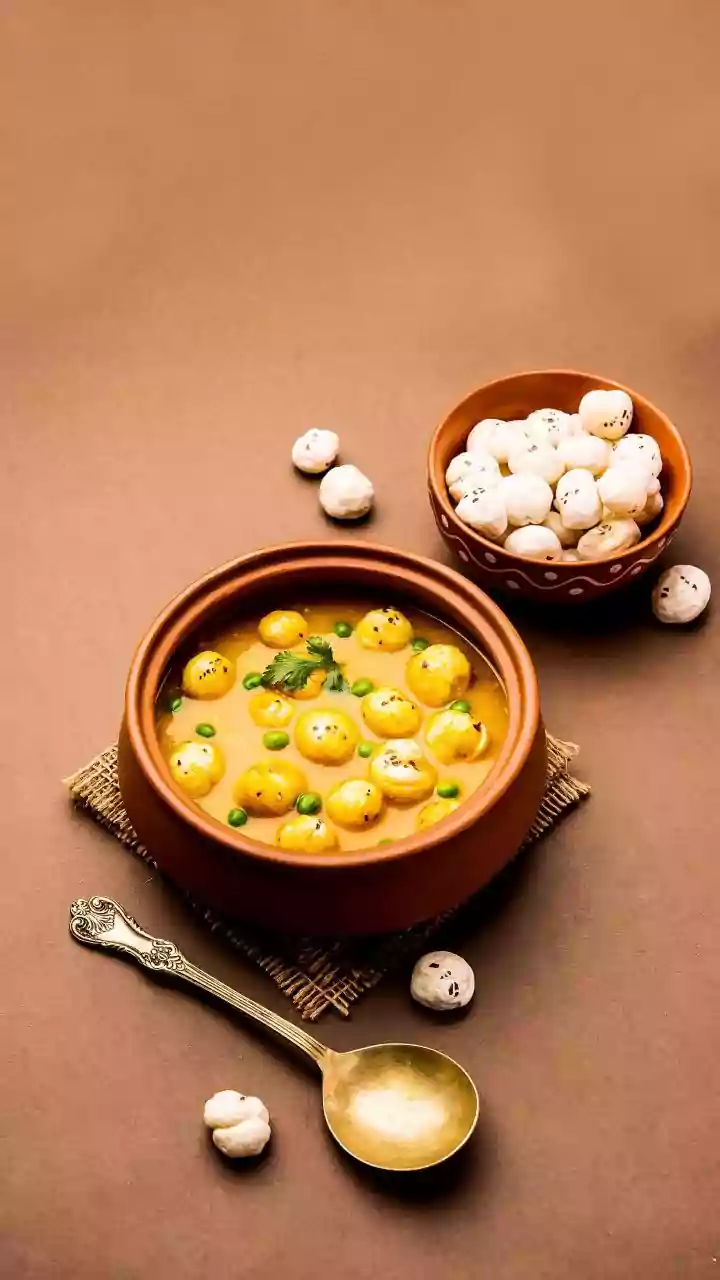
For years, the Indian diet in urban centres was dominated by wheat and polished rice. Now, ancient grains are making a celebrated comeback in high-end restaurants. Millets like ragi (finger millet), jowar (sorghum), and bajra (pearl millet), once considered 'poor man's food', are now star ingredients. Chefs are transforming these nutritious, climate-resilient grains into everything from ragi tortillas and black rice tacos to sophisticated millet-based risottos and desserts. At restaurants like OMO Café in Gurgaon, dishes featuring black rice from Nagaland or ragi wraps speak to a new culinary language grounded in terroir. Similarly, heirloom varieties of rice, such as Manipuri black aromatic rice, are being featured in special menus that highlight their unique flavours and promote agricultural biodiversity.
The Hyperlocal Greens Movement
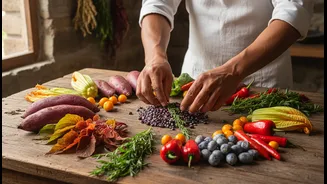
Beyond familiar vegetables, chefs are foraging for and championing a vast array of hyperlocal and wild greens that have been part of regional diets for generations. Ingredients like fiddlehead ferns, moringa (drumstick leaves), Malabar spinach, and even pumpkin flowers are appearing on contemporary menus. Chef Radhika Khandelwal of Fig & Maple, for instance, actively forages for ingredients not found in mainstream markets, driven by a curiosity for flavours known to indigenous communities. This focus on hyperlocal produce is not just a trend but a way to reconnect with food at its most primal level. It introduces diners to new textures and tastes while celebrating the wisdom of agrarian communities who have used these greens for centuries.
The Power of Fermentation
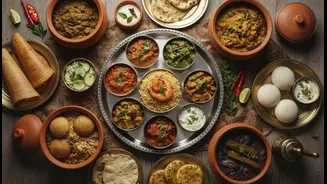
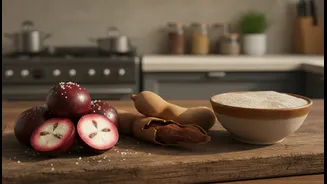
Fermentation, an ancient preservation technique, is being rediscovered and celebrated for the incredible depth and complexity it adds to food. While staples like idli, dosa, and dahi have always been part of Indian food culture, chefs are now exploring a wider world of fermentation. This includes everything from in-house pickles and kombuchas to lesser-known fermented rice dishes and even applying global techniques like using koji to local ingredients. At Mumbai's Noon, Chef Vanika Choudhary's menu, titled 'Forgotten, Foraged and Fermented,' traces the stories of seasonal ferments from communities across India. This revival blends tradition with a modern scientific understanding, treating time as a crucial ingredient to create unique tangy and umami flavours.