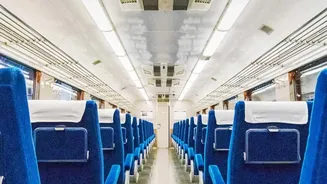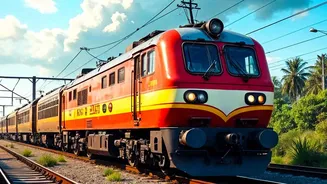









Indian Railways' premium Vande Bharat trains are known for speed and comfort, but the onboard dining experience is now changing. IRCTC has begun a trial with a shorter, more focused menu on select routes, leaving many passengers wondering why.
A New Recipe for Rail Dining
The Indian
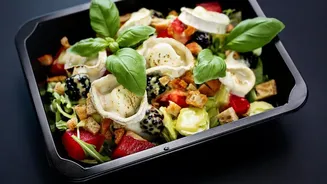
Railway Catering and Tourism Corporation (IRCTC) has initiated a significant pilot project on three Vande Bharat Sleeper train routes, which began on November 1, 2026. In a move that mirrors airline catering, the elaborate meal trays once featuring eight to ten items have been streamlined to just four core components. This trial is a direct response to a growing number of passenger complaints concerning food quality, hygiene, and inconsistency on long-distance services. By simplifying the menu, IRCTC aims to exercise tighter quality control, ensuring that the food served is consistently fresh, hygienic, and well-prepared. Early signs suggest the strategy may be working, with officials in the West Zone reporting a 10% drop in catering-related complaints since the new menus were introduced.
Which Trains Are Part of the Trial?
This change is not network-wide and is currently limited to a trial on three specific Vande Bharat Sleeper services. Passengers travelling on the following high-profile routes will experience the new compact menu: the New Delhi-Varanasi route, the Mumbai-Bengaluru route, and the Howrah-Kamakhya (Guwahati) route. To deliver on its promise of improved quality, IRCTC has moved away from some previous vendors and partnered with established names in the food industry, including large-scale cloud kitchens and hospitality groups like TajSATS, Mayfair Group, and the Sarovar Portico Group to prepare the meals. The success of this pilot on these three routes will determine if this 'less is more' approach is rolled out to other premium trains across the country.
What's Off the Menu?
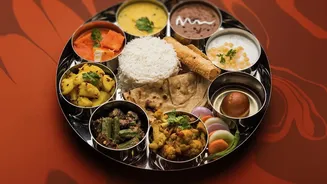
Passengers accustomed to a wider spread will notice several items are no longer part of the standard meal service. For breakfast, the casualties include soup, egg omelettes, omelette sandwiches, and vegetable sandwiches. Accompaniments like buttermilk and chocolates have also been removed from the morning service. For lunch and dinner, the meal tray has been simplified significantly. Items like a separate dry vegetable dish, curd, salad, pickles, and sweets are no longer being served as part of the main meal. The goal is to focus on a few well-made dishes rather than a large variety that proved challenging to manage from a quality perspective. This has also resulted in a lighter meal, with the total weight dropping from around 700-750 grams to a more compact 450-500 grams.
What You'll Get Instead
While the menu is shorter, officials state that the portion sizes of the remaining items have not been reduced. The new breakfast menu offers a choice of classic Indian dishes, such as idli and vada with sambar and chutney, poha, or upma. For lunch and dinner, passengers will receive a staple combination of chapati, rice, and dal, accompanied by a single main dish. Travelers can typically choose between a vegetarian preparation or a chicken dish for the non-vegetarian option. The entire philosophy is to perfect these core offerings. While the catering charges are included in the ticket fare for those who opt-in, it remains to be seen if the reduced menu will lead to a revision in pricing.