



The COP31 climate summit in Antalya, Turkey, ended without a consensus agreement after marathon negotiations hit a familiar wall: the future of fossil fuels. The collapse highlights a deepening rift between nations on how to tackle climate change.
The Core of the Conflict
After
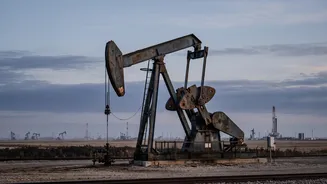
two weeks of negotiations and nearly 48 hours of overtime, the talks broke down over the language in the final agreement, known as the cover decision. A bloc of nations, including the European Union, the UK, and several climate-vulnerable island states, refused to endorse a pact that did not explicitly mention a transition away from fossil fuels—the primary driver of climate change. Conversely, major oil and gas producing countries, such as Saudi Arabia and Russia, strongly opposed any text that singled out fossil fuels. The resulting stalemate meant that for the first time since the 2009 Copenhagen summit, a COP meeting concluded without an overarching political agreement.
India's Principled Stand
India played a significant role in the negotiations, advocating for a 'just and equitable' transition. New Delhi maintained its long-held position, rejecting a mandatory 'phase-out' of all fossil fuels. Instead, India supports a 'phase-down' approach, arguing that developing nations must have the flexibility to use fossil fuels for energy security and poverty eradication. Indian officials repeatedly highlighted the issue of historical responsibility, questioning who used up the world's carbon budget and insisting that developed nations, having profited from centuries of fossil fuel use, must lead the way and provide substantial financial and technological support to developing countries. This stance was also evident in India's refusal to sign a separate Global Electrification Pledge, arguing that such targets must consider national circumstances and be backed by international finance.
The Battle Over Climate Finance
The disagreement over fossil fuels was inextricably linked to the contentious issue of climate finance. Developing countries, including India, have long argued that ambitious climate action is impossible without predictable and accessible funding from wealthier nations. At COP31, many felt that developed countries were failing to meet their obligations. A proposed target to provide at least $120 billion annually for adaptation was a key sticking point and was ultimately removed from the draft text, frustrating many developing nations. The EU, a major climate finance contributor, signalled that new funding was 'dead in the water', citing economic pressures and a feeling that other wealthy nations were not doing enough. This breakdown in financial trust widened the gap between the Global North and South, making compromise on fossil fuels even more difficult.
Collateral Damage and Small Wins
The failure to agree on a cover decision overshadowed progress made in other areas. While the main deal collapsed, negotiators did reach consensus on several smaller but important items. These included advancing a work programme on 'just transition' to support workers and communities affected by the shift to green economies. There were also procedural advances on adaptation and channeling some funds from carbon markets to the UN Adaptation Fund. However, the central disagreement on fossil fuels effectively held the wider agenda hostage, preventing the kind of strong, unified political signal that scientists and activists say is urgently needed to keep the 1.5°C warming limit within reach.