





The Big Shift: From 60 Days to 30
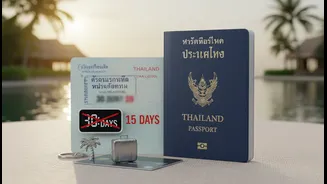
The most significant update is the end of the temporary 60-day visa-free stay that was available to visitors from 93 countries, including India. On July 14, 2026, the Thai Cabinet officially revoked this measure, citing national security concerns and
a desire to prevent misuse of the system. In its place, a new framework has been introduced, establishing a standard 30-day visa-free entry for a list of 59 countries. This move is part of a broader overhaul to streamline immigration under a “one country, one entitlement” principle, ensuring each nationality has a single, clear entry rule.
An Upgrade for Indian Travellers
Here’s the crucial news for anyone planning a trip from India: you are now officially on the 30-day visa-free list. While this is a reduction from the temporary 60-day period, it is a significant permanent upgrade from the previous Visa on Arrival (VoA) system. Previously, Indian citizens had to queue and pay a fee for a VoA. This new policy eliminates that process entirely, making short trips much more convenient. The change came after an earlier proposal to revert India to the VoA-only category caused confusion and a reported decline in tourist arrivals, prompting the government to provide this clearer, more favourable solution.
What The New Rules Mean For Your Trip
For a standard vacation of up to one month, planning is now simpler. Indian passport holders can fly to Thailand without arranging a visa beforehand and will be granted a 30-day stay upon arrival. This streamlined process saves both time and money at the airport. However, it's important to remember that this new rule replaces all previous schemes for tourists. The Visa on Arrival program for India has been officially withdrawn to prevent overlapping policies. The new rules are set to take effect 15 days after they are published in the government's Royal Gazette, so it's wise to watch for the official start date.
Want to Stay Longer Than 30 Days?
If your travel plans involve a deeper exploration of Thailand for more than a month, the 30-day visa-free stamp won't be enough on its own. The best option for a longer holiday is to apply for a 60-day tourist e-visa before you travel. This can be done online through the official Thai e-visa portal. Applying in advance ensures you have the correct permission for a longer stay and avoids any potential issues with immigration. This route is ideal for those who want to travel extensively through different regions without worrying about an imminent departure date.
The 'Destination Thailand Visa' for Long Stays
For those looking to work remotely, take a long-term course, or simply live in Thailand for an extended period, the government has created the 'Destination Thailand Visa' (DTV). This visa is specifically designed for digital nomads, freelancers, and their families. It is valid for five years with multiple entries, and each entry allows a stay of up to 180 days. It can even be extended for another 180 days from within the country. The main requirement is proof of sufficient funds, typically around 500,000 THB, in a bank account. It’s a game-changer for anyone looking to make Thailand a temporary home base.
Part of a 'Quality Over Quantity' Strategy
These visa adjustments are a key part of Thailand's new tourism strategy. The government is shifting its focus from simply maximizing the number of visitors to attracting 'quality' tourists. The goal is to encourage travellers who stay longer, spend more, and explore beyond the main tourist hubs, which supports local economies more broadly. By creating clear visa pathways for different types of travellers—short-stay tourists, long-stay holidaymakers, and remote workers—Thailand aims to build a more sustainable and valuable tourism industry for the future.