


The Golden Rule of Visual Harmony
At its heart, this is about the design principle of repetition and variation. Our brains are wired to find comfort in patterns and are delighted by novelty. Repetition creates a sense of unity and rhythm, making a collection of items feel like they belong
together. Think of it as creating a visual theme. But repetition without any changes can quickly become monotonous or boring. That's where variation comes in. By changing an element like colour, texture, or how items are layered, you introduce visual interest that keeps the eye engaged. A successful design almost always balances these two ideas. This principle doesn't just live in art textbooks; it's a practical tool for making everyday life more beautiful.
Applying the Rule to Your Wardrobe
This concept is a game-changer for personal style, transforming outfit repeating from a perceived faux pas into a chic, intentional strategy. Start with a shape you love, like a classic straight-leg trouser. You can build a reliable wardrobe by owning that same cut in different materials—denim for casual days, tailored wool for the office, and breezy linen for summer. The silhouette is repeated, creating your signature style, but the texture and context change. The same logic applies to colour. You can wear a monochromatic outfit, repeating a single hue from head to toe, but make it dynamic by combining different textures—like a silk camisole, a chunky knit cardigan, and leather boots. You’re repeating the colour, but the varied textures add depth and sophistication.
Bringing Cohesion to Your Home
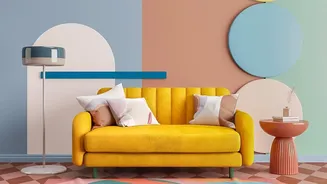
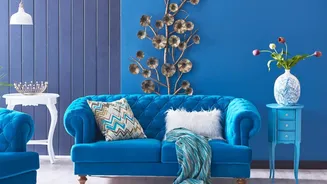
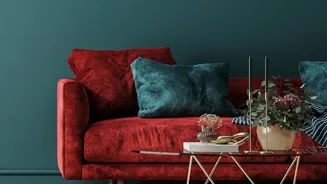
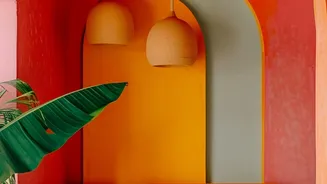
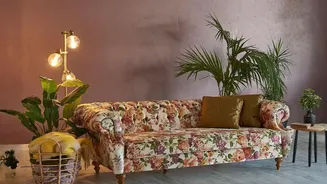
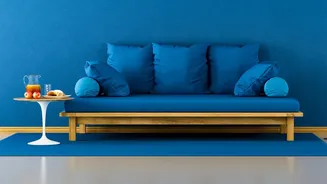
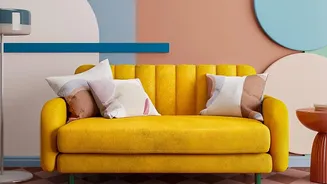
In interior design, this rule is a foundation for creating spaces that feel both calm and curated. You can repeat a shape throughout a room to tie it together. Imagine using circular forms: a round coffee table, a mirror with a curved frame, and cushions with a circular pattern. While the shape is consistent, the objects themselves, their scale, and their materials are different, which prevents the theme from feeling too literal or overwhelming. Colour is another powerful tool for this. You might choose a specific shade of blue and repeat it in various elements—the pattern on your rug, a piece of artwork, and a collection of throw pillows. Your eye connects these moments of colour, creating a sense of flow and intention that makes the entire room feel cohesive and professionally designed.
The Art of Smart Variation
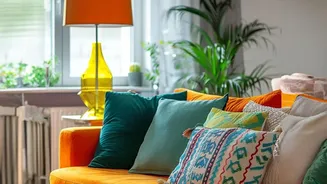
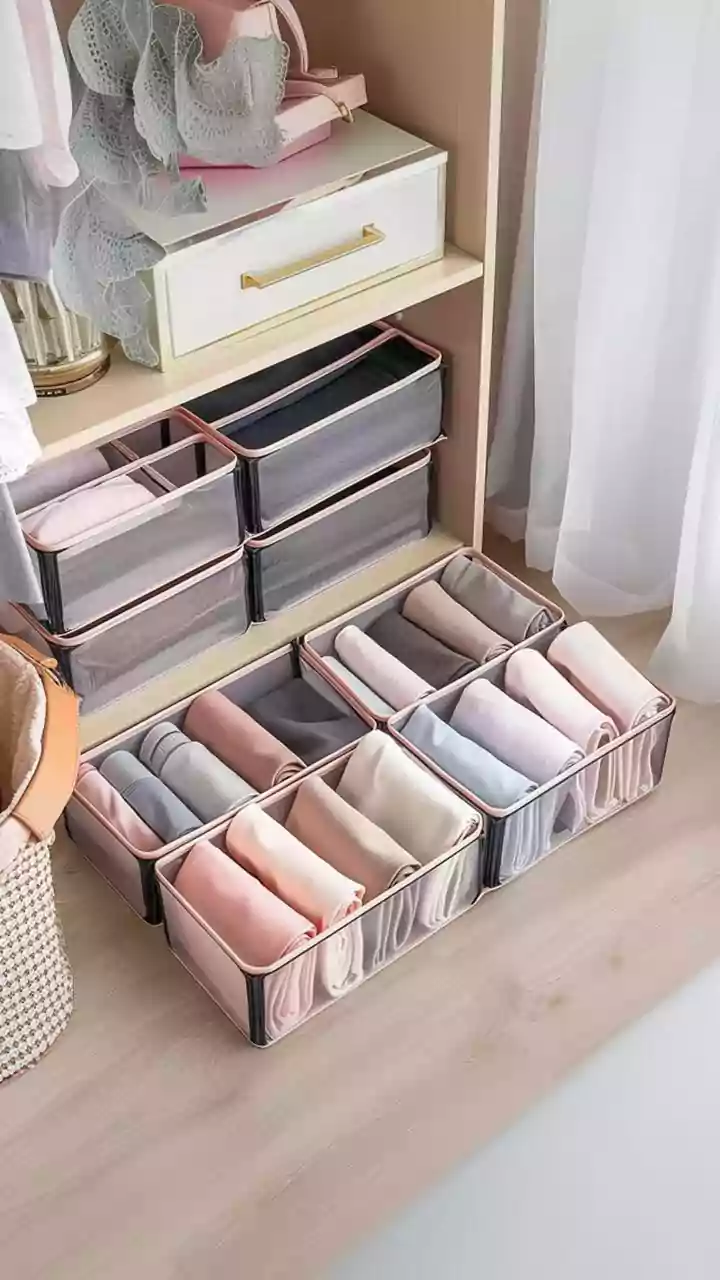
The key to mastering this principle is finding the right balance. Too much repetition is dull; too much variety is chaotic. Start small. If you have a set of identical dining chairs, consider painting one a contrasting colour as a focal point. If you love a particular pattern on a cushion, find a piece of art that incorporates a similar motif but at a different scale. Layering is another easy way to play with this idea. On a bookshelf, repeat the shape of rectangular books but break the pattern by placing a unique, sculptural object next to them. You can also group similar items, like a collection of ceramic vases, but ensure they vary in height, shape, or glaze. This use of repetition with subtle variation is what gives a space personality and makes it feel thoughtfully assembled rather than merely decorated.