


Understanding The Hidden Enemy
Root rot is exactly what it sounds like: the decay of a plant's roots. The primary cause is not just overwatering, but a lack of oxygen in the soil that consistent overwatering creates. During the rainy season, high humidity means soil dries out much
more slowly. When roots sit in soggy, waterlogged soil for too long, they can't 'breathe'. This oxygen-deprived environment becomes a breeding ground for fungal pathogens like Phytophthora and Pythium, which attack the weakened roots, causing them to turn brown, mushy, and decay. Once the root system is compromised, it can no longer absorb the water and nutrients the plant needs to survive.
Early Warning Signs To Watch For
The tricky part about root rot is that its initial symptoms can mimic those of an underwatered plant. A key sign is a plant that is wilting or has drooping leaves even though the soil is damp to the touch. Other tell-tale signs include the yellowing of lower leaves, stunted or slow growth, and leaves that fall off easily. In more advanced stages, you might notice the base of the stem feeling soft and unstable. A definitive, though unpleasant, sign is a sour or musty smell coming from the soil, which indicates that decay is happening below the surface. To be certain, you must inspect the roots themselves.
Rethink Your Watering Rhythm
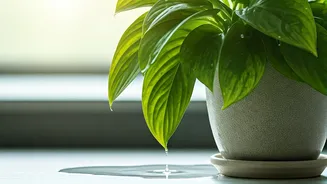
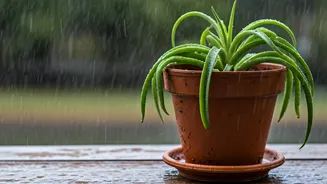
During the monsoon, your regular watering schedule needs a complete overhaul. Plants use less water due to higher ambient humidity and often, reduced sunlight. The golden rule is to never water on a fixed schedule. Instead, always check the soil first. A reliable method is to stick your finger about two inches into the soil; if it feels moist, wait. Only water when the top layer is dry. Lifting the pot to gauge its weight is another useful trick; a light pot needs water, while a heavy one does not. When you do water, do so thoroughly until it runs out the drainage holes, but make sure to discard any excess water from the saucer. Allowing a plant to sit in a saucer of water is a direct invitation for root rot.
The Importance of Soil and Drainage
The right foundation can make all the difference. Your potting medium should not be dense and heavy. A well-draining soil mix is your best defense against waterlogging. You can improve any standard potting soil by adding amendments that create air pockets. Perlite, pumice, or coarse sand are excellent options. These materials improve aeration and allow excess water to drain away quickly, preventing the roots from suffocating. Equally important is the pot itself. Always use containers with drainage holes. Terracotta or clay pots are particularly good for plants that are sensitive to overwatering, as the porous material helps wick moisture away from the soil.
Improve Airflow and Location
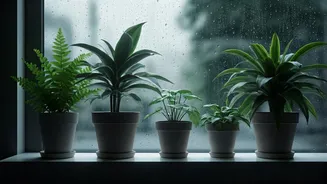
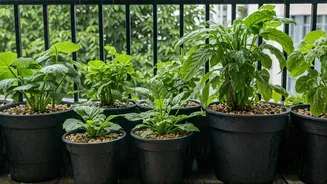
Stagnant, humid air is a major contributor to slow-drying soil and fungal issues. Improving air circulation around your plants can significantly help. You can achieve this by spacing your plants further apart or running a small fan in the room for a few hours a day. Avoid grouping moisture-sensitive plants too closely. Pay attention to their location as well. While you want to protect them from heavy downpours, they still need adequate light. Plants in low-light conditions use water much more slowly, increasing the risk of overwatering. Placing them in a spot with bright, indirect light will help them use water more efficiently and keep the soil from staying wet for too long.
Emergency Surgery for Your Plant
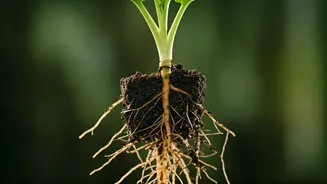
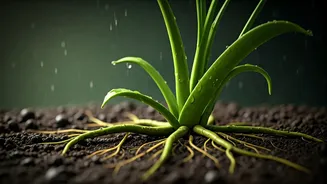
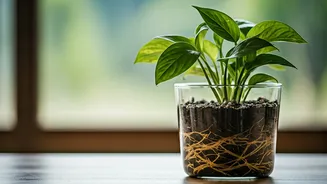
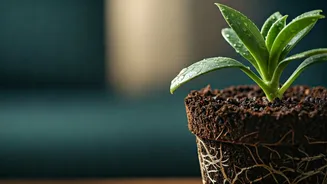
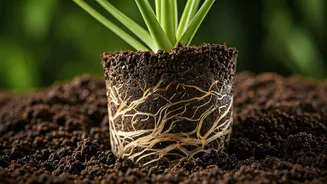
If you suspect root rot has already taken hold, you must act fast. Gently remove the plant from its pot and wash the soil from the roots. Healthy roots are firm and typically white or light tan, while rotted roots will be dark brown or black, mushy, and may even fall apart when touched. Using clean, sterilised scissors or pruning shears, carefully trim away all the affected roots. Be thorough, as leaving any decayed material behind can allow the rot to spread again. After pruning, it can be helpful to also prune back about a third of the plant's leaves. This reduces the stress on the smaller root system, as it won't have to support as much foliage. Finally, repot the plant in a clean pot with fresh, well-draining soil. Never reuse the old, contaminated soil. Water lightly and wait for signs of new growth before resuming a normal watering routine.