





From Skinny to Strong
For decades, the definition of a 'fit' woman was tied to a number on a scale. Fitness was a game of subtraction—less fat, fewer calories, a smaller dress size. This narrative, fuelled by wedding crash diets and endless cardio, is finally being rewritten.
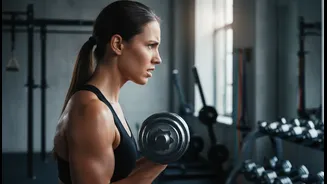
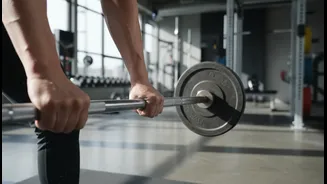
A post-pandemic shift has seen a growing number of young women in India focusing on what their bodies can do, not just how they look. According to a recent Times of India report, there's a newfound emphasis on strength training and muscle development, driven by a desire for personal empowerment. This new approach is about addition: adding muscle, building endurance, and gaining the energy to navigate a demanding life. The goal is no longer just a concave stomach; it's a body that is visibly and functionally strong.
The Science of Gaining Strength
One of the biggest myths holding women back from the weights section was the fear of becoming 'bulky'. Exercise science, however, tells a different story. Women produce 15 to 20 times less testosterone than men, making it physiologically difficult to build large, bulky muscles without extreme, professional-level protocols. Instead, resistance training helps women develop lean muscle, which in turn boosts metabolism, as muscle burns more calories at rest than fat does. The benefits go far beyond aesthetics. Lifting weights increases bone density, offering a powerful defence against osteoporosis, a condition to which women are more susceptible. It also improves posture, enhances heart health, and can help manage conditions like Type 2 diabetes.
More Than Just Muscle
The transformation isn't just physical. A significant part of this new movement is the profound impact strength training has on mental well-being. The act of lifting something heavy and progressively getting stronger offers a tangible sense of accomplishment that cardio often doesn't. It builds discipline and resilience. As one writer for The Hindu noted, gaining physical autonomy through strength can spill over into every other aspect of life, fostering unbelievable confidence. Research confirms that resistance training can significantly reduce symptoms of depression and anxiety by triggering the release of endorphins. This shift defines success not by a reflection in the mirror, but by an internal feeling of capability and mental fortitude.
The Rise of the Digital Dumbbell
Social media has been a powerful catalyst for this trend. The weight room, once seen as an intimidating, male-dominated space, has been demystified by a generation of Indian female fitness influencers. Figures like Bani J and Shweta Rathore have amassed huge followings by documenting their strength journeys, breaking stereotypes and proving that lifting is for everyone. These influencers share workout routines, nutrition tips, and motivational content, creating a supportive digital community. They make strength training accessible, providing a visual roadmap for beginners and challenging the outdated notion that women belong exclusively in Zumba classes or on treadmills. A 2024 report even found that strength training had overtaken cardio as the top fitness goal for women under 35 in India's major cities.
Building a New Foundation
This movement is about more than just a workout preference; it's about claiming space and demanding a more holistic approach to health. It challenges the idea that a woman's fitness journey must be rooted in shrinking herself. Instead, it promotes building a strong foundation for a long, healthy, and capable life. By focusing on performance, celebrating strength gains, and embracing the power within, young women are not just changing their bodies—they're changing the very definition of what it means to be fit. The success story is no longer about the weight that was lost, but about the strength that was gained.