







Monsoon's Final Performance
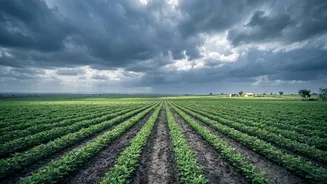
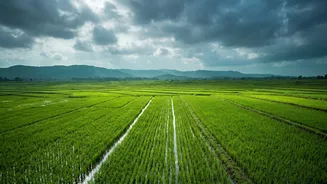
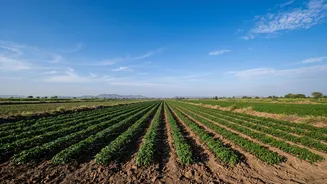
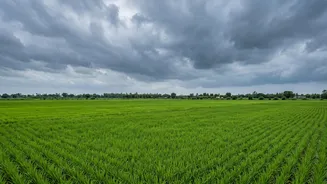
The Southwest Monsoon's performance in September is vital, acting as the final say for the Kharif season's success. After an erratic season marked by a significant deficit in June followed by a sharp recovery in July, all eyes are on the final phase.
The India Meteorological Department (IMD) has forecast a complex picture for September 2026. Overall, monthly rainfall for the country is expected to be below normal. This is influenced by strong El Niño conditions in the Pacific Ocean, a pattern historically linked to weaker monsoons in India. However, the distribution is not uniform. A low-pressure area over central India is expected to bring intense rainfall to eastern and central states early in the month. In contrast, Peninsular India is likely to see subdued rainfall activity. This varied distribution means that while some regions may get the moisture they need for standing crops, others could face stress, impacting overall agricultural output.
The Critical Pulse Situation
Pulses, a primary source of protein for millions, are a key area of focus. According to data from the Ministry of Agriculture released at the end of August, the total area sown under pulses shows a slight increase compared to the previous year. The total area reached 115.05 lakh hectares, up from 113.66 lakh hectares in 2025. This increase is largely thanks to higher planting in states like Uttar Pradesh, Jharkhand, and Telangana. However, this masks a worrying decline in key pulse-growing states like Maharashtra and Karnataka, which faced deficient early rains. The inconsistent monsoon has particularly affected the sowing of tur (arhar) dal. While the overall numbers seem positive, the regional deficits are a concern for future production and could exert upward pressure on prices. The retail price of Tur/Arhar dal was already elevated at around ₹124 per kg at the beginning of September, according to government price monitoring data.
Your Vegetable Basket This Month
Vegetable prices have been on a rollercoaster ride, and September's weather will determine if they stabilize. Prices of key staples like onions and tomatoes saw sharp spikes in recent months due to supply disruptions from heavy rains in some areas and dry spells in others. As of early September, onion prices remain a significant concern, with retail rates in cities like Delhi hovering much higher than last year. According to the Department of Consumer Affairs, the all-India average retail price for onions was nearly ₹50 per kg, with tomatoes at around ₹38 per kg. The active monsoon conditions in central and eastern India could disrupt harvesting and transport, potentially keeping prices volatile. However, good rainfall can also improve soil moisture for the next planting cycle. Consumers should brace for fluctuating prices in the market, as supply chains react to localized weather events across the country.
Broader Economic Ripples
The agricultural outlook for September extends far beyond the farm gate, creating ripples across the entire economy. A healthy harvest is crucial for taming food inflation, which directly impacts every household's budget. The performance of Kharif crops, particularly pulses and oilseeds, will influence India's import decisions in the coming months. Furthermore, farmer incomes, which are heavily dependent on the monsoon's performance, drive rural demand for goods and services. A strong finish to the season can boost the rural economy, while a shortfall could dampen it. The below-normal rainfall forecast for the month, driven by El Niño, had already prompted the government to prepare contingency plans for vulnerable districts earlier in the year. How the final weeks of the monsoon play out will be a deciding factor for both agricultural GVA and the Reserve Bank of India's stance on inflation.