




The Allure of Tourist-Driven Flights
For years, the conversation around regional aviation in India, particularly under the UDAN scheme, has been intertwined with tourism promotion. The idea is that making remote destinations accessible by air will unlock their tourism potential, creating
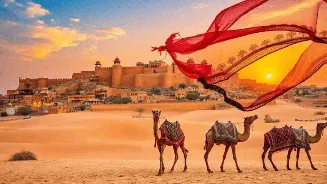
a virtuous cycle of growth. In Rajasthan, a state whose economy is significantly tied to tourism, this argument is especially potent. New policies often focus on improving aviation infrastructure as a direct support to the tourism industry. The state's tourism sector contributes up to 14% of its economy and is the largest employer after agriculture. Naturally, the focus has been on using flights to bring in more high-spending visitors to its iconic cities like Jaipur, Udaipur, and Jaisalmer.
When Seasonality Grounds Ambitions
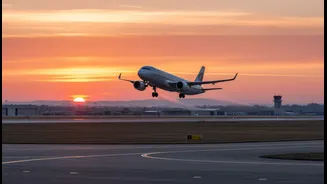
The primary problem with a tourism-first aviation strategy is seasonality. Rajasthan's tourism is heavily concentrated in the winter months. During this peak season, flights are full, and connectivity is celebrated. But what happens during the scorching summer? Demand plummets, and routes become commercially unviable. A recent experiment to run an off-season Jaipur-Jaisalmer flight, backed by a loss-guarantee from local businesses, was discontinued after suffering heavy financial losses with planes flying nearly empty. This highlights the core issue: airlines cannot sustain routes that are only profitable for three to four months a year. This boom-and-bust cycle leads to flight disruptions, cancellations, and ultimately, a lack of the reliable, year-round connectivity that communities need.
Connectivity Is More Than a Holiday
True regional connectivity is not just about flying tourists to palaces. It is the lifeblood of a modern local economy. It’s for the businessperson who needs to visit a factory in Bhilwara, the student from Kota travelling to a university, the patient from a remote area needing urgent access to a hospital in a major city, and for government officials managing administration. These needs exist year-round. When flight networks are built only for tourists, they ignore this stable, baseline demand. A flight path that serves a mix of business, administrative, medical, and leisure travellers has a much stronger chance of being viable throughout the year, independent of the tourist season. This creates a resilient transport infrastructure that fosters broad economic activity, not just in tourism.
A New Flight Plan for Stakeholders
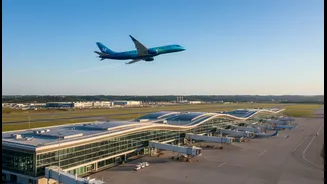
To build this resilience, all stakeholders must shift their perspective. Airlines should market these routes to a wider audience beyond just tourists, targeting small and medium enterprises, educational institutions, and healthcare providers. Tourism businesses in Rajasthan, rather than subsidising unsustainable off-season flights, should lobby for connectivity that serves the entire local economy. This approach would create a more reliable transport network which, in turn, would benefit tourism as a happy by-product. The state government can lead by promoting non-tourism travel and ensuring that new airports and airstrips are planned with a holistic economic view, not just a tourism brochure in hand. The goal should be to build a network where tourism is a welcome passenger, not the sole reason for the journey.
Why This Matters for Everyone
Separating regional connectivity from tourism serves everyone better. For travellers, it means more reliable, predictable, and potentially more affordable flight options year-round, not just during the chaotic peak season. For Rajasthan's tourism businesses, it leads to a stable infrastructure that allows for better long-term planning and reduces dependence on the whims of seasonal demand, fostering a healthier, more diversified local economy. And for regional airlines, it is the only path to sustainability. It allows them to build robust route networks based on consistent, diversified demand, reducing the commercial risk that has seen so many UDAN routes fail nationwide. Ultimately, a strong regional network will support a stronger tourism industry, but it cannot be built on tourism alone.