




A Journey from Persia to Pune
The story of Pune’s Irani cafes begins in the 19th century with Zoroastrian immigrants from Persia (modern-day Iran). Fleeing persecution and famine, many sought refuge and new opportunities in British India, with communities flourishing in cities like
Mumbai and Pune. These entrepreneurs started small eateries, initially offering just tea and simple snacks. These establishments were born from a desire to create a livelihood and a space for community. Over time, they evolved from simple tea stalls into the beloved cafes that are now woven into the city's fabric, serving everything from the iconic bun maska and chai to hearty meals like keema pav and berry pulao. Cafes like Goodluck, founded in 1935 by Hussain Ali Yakshi, became pioneers and stand today as Pune's oldest Irani establishments.
The Taste of Authenticity
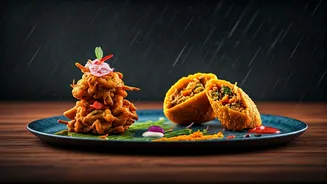
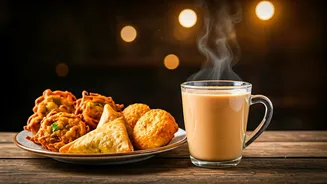
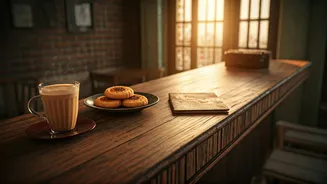
The menu is the heart of the Irani cafe's enduring appeal. It’s a testament to simple, high-quality comfort food that has remained largely unchanged for decades. The quintessential experience involves dipping a freshly baked, generously buttered bun—the famous *bun maska*—into a cup of sweet, milky Irani chai. Other staples include the fluffy, cheese-filled omelettes made famous by places like Vohuman Cafe, hearty egg bhurji, and savoury keema (minced meat) served with soft pav. For those with a sweet tooth, the glass jars on the counter hold treasures like Shrewsbury biscuits and rich mawa cakes. This consistency is a core reason for their loyal following; customers return knowing they will get the same nostalgic taste they have cherished for years.
More Than Just a Meal
Irani cafes were always more than just places to eat; they were democratic social hubs. With their high ceilings, bentwood chairs, and checkered floors, they created a welcoming, classless environment where students, office workers, artists, and families could gather. They became centres for conversation, debate, and community building, with some owners even posting signs like 'All Castes Welcome' to foster an inclusive atmosphere. This role as a public living room, where one could linger for hours over a single cup of chai, cemented their place in Pune's cultural heart. While modern cafes offer Wi-Fi and expansive menus, the Irani cafes offer a connection to a simpler time, a place for genuine human interaction away from the digital rush.
An Enduring Spirit in a Changing World
The headline's claim of being "untouchable" is, in reality, a story of resilience against significant odds. Like in Mumbai and Hyderabad, the number of Irani cafes in Pune has dwindled over the years. They face challenges from rising real estate prices, competition from modern fast-food chains, and a reluctance from younger generations to take over the family business. However, the cafes that survive, like Goodluck, Vohuman Cafe, and Cafe Yezdan, have become institutions. They thrive on the loyalty of generations of patrons who value their consistency, affordability, and unique ambience. While some newer establishments adopt the 'Irani cafe' name and style, the originals carry a weight of history that cannot be replicated. Their legacy isn't just in the number of outlets, but in their profound cultural impact.