





Lohagad Fort, Maharashtra: The Classic Monsoon Trek
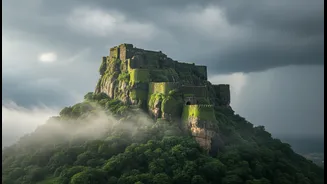
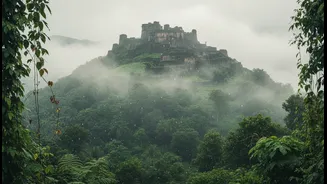
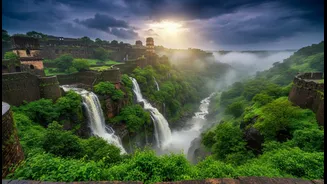
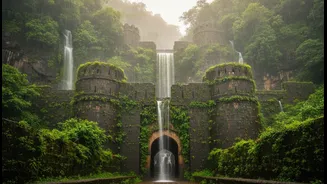
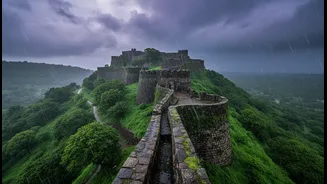
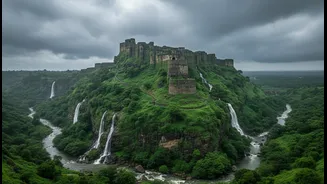
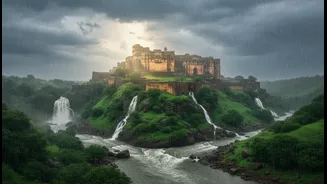
Often called the “Iron Fort,” Lohagad is one of the most popular and accessible monsoon treks, especially for those in Mumbai and Pune. During the rains, the fort, perched at 1,033 metres, is draped in mist, with small waterfalls cascading down its sides.
The trek is considered easy and suitable for beginners, with a well-defined trail leading to the top. The main attraction is the 'Vinchu Kata' or scorpion's tail, a long, narrow fortified ridge that offers thrilling, panoramic views of the Pawna reservoir below. Its ease of access and scenic beauty make it a quintessential Western Ghats monsoon experience, though it's best to start early to avoid weekend crowds.
Kumbhalgarh, Rajasthan: A Royal Monsoon Spectacle
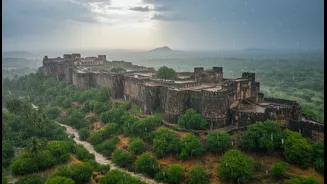
While Rajasthan is known for its arid landscapes, the monsoon transforms the Aravalli hills surrounding Kumbhalgarh into a vibrant green paradise. This UNESCO World Heritage Site is famous for its formidable wall, the second-longest in the world, which looks particularly dramatic emerging from the monsoon clouds. Visiting between July and September allows for a cooler, more pleasant exploration of the vast complex compared to the scorching summer months. The journey from Udaipur itself becomes a scenic drive through misty hills. At the fort's highest point, the Badal Mahal, or 'Palace of Clouds', truly lives up to its name, offering a front-row seat to the rolling fog in the valleys below.
Mandu, Madhya Pradesh: The City of Joy in the Rains
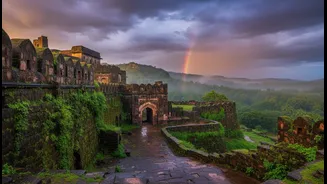
Mandu, or the 'City of Joy', is perhaps one of India's most romantic monsoon destinations. This sprawling fortress city in the Vindhya Range is dotted with lakes, palaces, and mosques built in the Afghan architectural style. During the rains, these structures stand amidst lush greenery and are often enveloped in mist, creating a magical atmosphere. The story of Sultan Baz Bahadur and Rani Roopmati is central to Mandu's allure, and Roopmati's Pavilion, which overlooks the Narmada valley, is a must-visit. Unlike strenuous treks, Mandu offers a more leisurely heritage walk experience through its historic monuments, which were ingeniously designed with water as a central element.
Sinhagad Fort, Maharashtra: History with Hot Bhajis
For the residents of Pune, a monsoon trip to Sinhagad is a cherished ritual. Located just about 35 km from the city, this fort is steeped in the history of Tanaji Malusare’s heroic battle. The trek is a scenic climb, but the reward is twofold: breathtaking views and a unique culinary experience. At the top, local stalls serve piping hot pithla-bhakri and kanda bhaji (onion fritters), a treat that has become synonymous with a rainy day visit. While it is accessible by road, the trek offers a more immersive experience, making it a perfect blend of history, nature, and local culture.
Gingee Fort, Tamil Nadu: The Impregnable Southern Fortress
Known as the 'Troy of the East', Gingee Fort in Tamil Nadu is a massive complex spread across three hillocks: Rajagiri, Krishnagiri, and Chandrayandurg. While the region can be hot, the monsoon season makes the surrounding landscape lush and the climb more pleasant. The trek to the top of Rajagiri, the main hill, is a moderately challenging climb of about 1.5 to 2 hours, involving stone-cut steps. The reward is a panoramic view of the entire fortified area, including ancient granaries, temples, and the magnificent seven-story Kalyana Mahal. It's a fantastic option for those looking for a blend of adventure and history in South India, away from the more crowded circuits.