




As city lights erase the cosmos from our nightly view, the allure of a star-filled sky grows stronger. India, with its diverse landscapes, offers pristine windows into the universe, but the clearest nights are often the coldest.
Hanle, Ladakh: India's Dark Sky Sanctuary
Sitting at a breathtaking
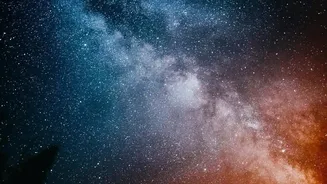
altitude of 4,500 metres, Hanle in Ladakh is home to India's first official Dark Sky Reserve. This remote outpost in the Changthang plateau is so far from urban light pollution that the Milky Way can appear bright enough to cast a faint shadow on a moonless night. The high altitude and dry, thin air create near-perfect, stable conditions for astronomy. The best time to visit is from May to October, when the roads from Leh are open. Even in summer, night temperatures here plummet below freezing, making serious preparation essential. Booking your trip around a new moon is crucial for the best views.
Spiti Valley, Himachal Pradesh: A Cold Desert Cosmos
Like its neighbour Ladakh, Spiti Valley is a high-altitude cold desert that offers spectacular night skies. Located in a rain shadow, it remains uniquely accessible for stargazing during the monsoon months of June to September, when other destinations are clouded over. Villages like Kaza, Komic, and Langza serve as excellent bases, with minimal light to interfere with the view. The altitude requires a few days of acclimatisation, and even summer nights are intensely cold. Packing thermal layers, a windproof jacket, and a good pair of gloves is not optional here; it's a necessity for enjoying the celestial show.
Rann of Kutch, Gujarat: A Universe Over Salt Flats
The Great Rann of Kutch offers a stargazing experience unlike any other. Its vast, flat salt desert provides an uninterrupted horizon-to-horizon view with virtually zero light pollution. The best time to visit is during the Rann Utsav, which typically runs from November to February. During these cooler, drier winter months, the air is crisp and clear. On a moonless night, the silence of the desert combined with the sheer density of stars creates a profound and magical atmosphere. While the days can be pleasant, desert nights get surprisingly cold, so warm clothing is a must.
Coorg, Karnataka: The Western Ghats Window
For those in Southern India, Coorg provides an accessible escape to darker skies without needing a Himalayan expedition. Situated in the Western Ghats, the hills around Kodagu have pockets with significantly low light pollution. The ideal season for stargazing is winter, from November to February, when the poststmonsoon air becomes dry and clear. December and January offer the most reliable conditions for spotting constellations. While not as cold as the Himalayan sites, evenings in Coorg are crisp and chilly, warranting a bonfire and warm layers to stay comfortable while you gaze upwards.
Dressing for the Cosmos: The Art of Layering
Staying warm is the most critical part of enjoying a cold night of stargazing. The key is the 'onion strategy': dressing in multiple, loose layers. Start with a thermal base layer to wick away moisture. Add a fleece jacket or wool sweater as a midlayer for insulation. The final, outer layer should be a windproof and, if possible, waterproof jacket to protect you from the elements. This system traps air between the layers, creating an insulating barrier that is far more effective than a single bulky coat. It also allows you to adjust your clothing if you get too warm during setup.
Essential Gear for a Cold Night Out
Beyond clothing, a few key items will dramatically improve your comfort. Your extremities—feet, hands, and head—lose heat the fastest. Invest in thick, woollen socks and insulated or waterproof boots to keep your feet warm. A good pair of gloves is essential, and some astronomers prefer fingerless ones paired with mittens for dexterity when handling equipment. A warm beanie or a hat that covers your ears will prevent significant heat loss from your head. Also, consider bringing a flask of a hot beverage like tea or soup; it provides welcome warmth from the inside out. Finally, a simple mat to stand on can provide a surprising amount of insulation from the cold ground.