



Prioritise Paw Protection
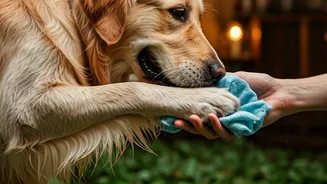
Your dog's paws are their first point of contact with wet, muddy, and potentially contaminated surfaces. Puddles can harbour bacteria and viruses, while sharp objects may be hidden in the muck. After every walk, no matter how short, thoroughly wash and dry
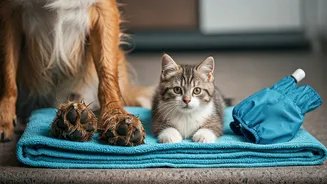
your dog’s paws. Use a soft towel and pay special attention to the area between the pads, a prime spot for moisture to get trapped and cause fungal infections. A regular check for cuts, scrapes, or ticks is also essential. You can consider using pet-safe antiseptic paw washes or even doggy boots for extra protection on walks.
Master the Art of Drying
A damp coat is a breeding ground for skin problems like fungal infections, hot spots, and unpleasant odours. Getting your dog completely dry after they get wet—whether from rain or a bath—is non-negotiable. Start with a highly absorbent towel to soak up most of the water. For dogs with thick or long fur, a low-heat hairdryer can be a lifesaver, but ensure you introduce it slowly and keep it moving to prevent burns. A dry, clean coat is your first line of defence against the most common monsoon-related skin ailments.
Step Up Parasite Patrol
The monsoon is peak season for ticks, fleas, and even leeches. The damp environment allows these parasites to thrive. Stick rigorously to your vet-prescribed flea and tick prevention schedule. After walks in grassy or wooded areas, perform a thorough check of your dog's entire body, including inside their ears, between their toes, and under their legs. If you find a tick, remove it carefully with tweezers, ensuring you get the head. For leeches, which are common in some areas, a dab of salt or turmeric can help them detach.
Manage Diet and Hydration
With shorter walks and less outdoor activity, your dog might not need as many calories. You may need to slightly adjust their food portions to prevent weight gain. More importantly, ensure they have constant access to clean, fresh drinking water inside the house. Discourage them from drinking from puddles or stagnant water sources, which can be full of harmful bacteria and lead to gastrointestinal issues like diarrhoea and vomiting. If your dog’s appetite changes drastically, it’s a good idea to consult your vet.
Boost Indoor Enrichment
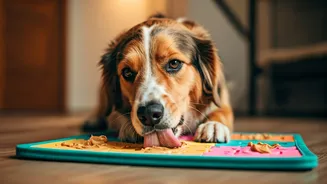
Rainy days mean less time spent running and exploring outdoors, which can lead to boredom and destructive behaviour. Keep your dog mentally stimulated with indoor activities. Invest in puzzle toys, treat-dispensing balls, or play a game of hide-and-seek with their favourite toys or treats. Practising obedience training or teaching them a new trick is also a great way to engage their mind and strengthen your bond. A short, fun training session can be just as tiring as a physical walk.
Consider Protective Gear
A good quality, waterproof raincoat can make walks much more manageable. It keeps the core of their body dry, significantly cutting down on drying time and reducing the risk of them catching a chill. When choosing a raincoat, look for one that is lightweight, comfortable, and doesn't restrict movement. While some dogs may resist at first, a little positive reinforcement can help them get used to their rain gear, making those necessary toilet breaks in the rain far less of a hassle for both of you.