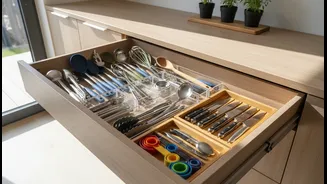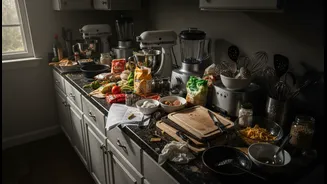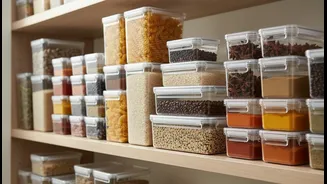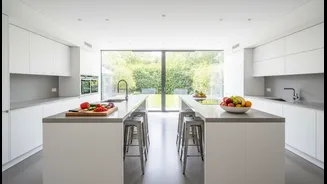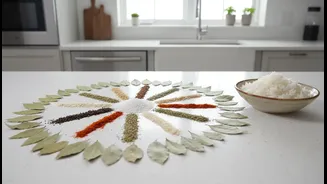







Embrace the 'Mise en Place' Mindset
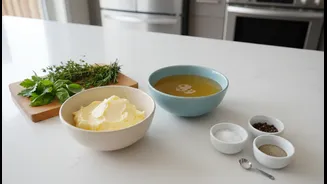
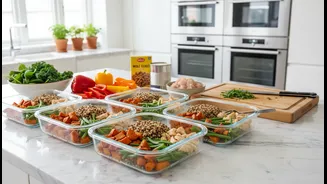
In professional kitchens, chefs live by a French principle called 'mise en place', which translates to “everything in its place”. This philosophy is about more than just pre-chopping your vegetables; it’s a mindset of total preparation. Before the stove
is even turned on, every ingredient is measured, every tool is gathered, and every necessary surface is cleared. Adopting this at home transforms cooking from a frantic rush into a smooth, intentional process. It allows you to focus on timing and technique instead of searching for a can opener while your garlic burns. This preparation extends to your space itself—thinking ahead about where things will go at every stage of the cooking process is the first step toward a more efficient kitchen.
Create Dedicated 'Landing Zones'
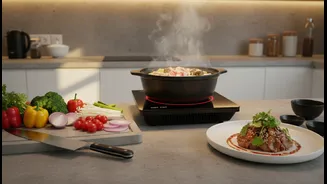
The key to a functional kitchen is not just having countertop space, but having intentionally placed space. These are called “landing zones”—dedicated spots next to key appliances where items can ‘land’ as you move through a task. A good workflow depends on having clear landing areas near the refrigerator for unloading groceries, next to the sink for rinsed produce, and, most critically, beside the oven and cooktop. Kitchen design experts recommend at least 15 inches of clear counter space on one or both sides of your cooktop. This isn't just a convenience; it's a matter of safety and efficiency, preventing you from performing a dangerous balancing act with a hot tray or a pot of boiling water.
A Safe Haven for Hot Pots
The moment you pull a searing hot pan off the stove is not the time to wonder where it should go. A designated landing zone for hot cookware is non-negotiable for a smooth workflow. This area needs to be heat-resistant and clear of clutter before you even begin cooking. For many, this is simply a section of a stone or tile countertop. However, you don't need a full renovation to create one. A collection of stylish trivets, a large silicone mat, or even a heavy-duty wooden butcher block can serve as a dedicated 'hot pad.' Keeping this space consistently clear ensures you can move from the stove to the counter seamlessly, without panic or potential messes. The goal is to make the action so automatic you don't even have to think about it.
A Plating Station for Finished Food
Just as important as a space for hot pots is a designated home for finished dishes. When one component of a meal is ready while another is still cooking, you need a clear area to place the completed item. Similarly, when it's time to serve, having a dedicated plating zone prevents a chaotic shuffle of plates and serving spoons across your prep surfaces. This can be a section of your counter, a nearby kitchen island, or even a small rolling cart. The key is that it remains separate from your active prep and cooking zones. Keeping this area clear allows for calm, organized plating and ensures your beautifully cooked food makes it to the table without a last-minute flurry of activity.
Making It Work in a Small Kitchen
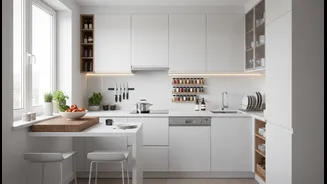
Limited counter space doesn’t doom you to a chaotic cooking experience; it just requires smarter strategies. The first rule is to get anything off the counter that isn't used daily. Next, think vertically. Wall-mounted racks for pots and magnetic knife strips free up significant surface area. One of the most effective tools is an over-the-sink cutting board, which instantly creates a new prep surface without taking up any counter space at all. A small rolling utility cart can also be a game-changer, acting as a mobile prep station or a landing zone that can be moved out of the way when not in use. By being ruthless about what lives on your counters and using clever tools, even the smallest kitchen can have a functional, stress-free workflow.