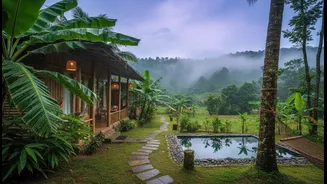









A Shift Away from the Shoreline
For decades, Goa’s identity has been intrinsically linked to its coastal belt. However, a significant trend is emerging, driven by younger travellers seeking more than just a party. There is a growing desire to escape overcrowded tourist spots and discover
authentic experiences. This shift has been acknowledged by tourism officials, who are actively promoting a 'Goa Beyond Beaches' narrative. This initiative encourages visitors to explore the state's rich cultural heritage, verdant hinterlands, and local traditions that lie away from the saturated coastline. The result is a pivot from mass tourism to what some call 'class tourism', where the quality and consciousness of the experience matter more than the quantity of attractions ticked off a list.
The Rise of the Conscious Traveller
At the heart of this trend is a powerful generational shift towards sustainability. Indian millennials and Gen Z have a strong desire to travel more responsibly. A recent Booking.com report highlighted that an overwhelming 88% of Indian millennials intend to travel more sustainably. This isn't just a vague intention; it's translating into concrete actions. These travellers prioritise supporting local businesses, reducing waste by carrying reusable water bottles, and choosing accommodations with sustainability credentials. The focus is on immersive and experiential travel, such as participating in activities that support conservation or deepen cultural understanding, rather than purely extractive tourism. This mindset perfectly aligns with the low-impact, nature-focused experiences that Goa's interior provides.
Exploring the Green Heart of Goa
So, what do these rainforest trails offer? The hinterlands are home to vast protected areas like the Bhagwan Mahavir Wildlife Sanctuary and Mollem National Park, which together form Goa's largest wildlife reserve. These sanctuaries offer a different kind of thrill: trekking through dense evergreen forests, spotting diverse fauna like the Indian gaur or over 200 species of birds, and discovering ancient sites like the 12th-century Tambdi Surla Temple nestled in the jungle. The main attractions for many are the spectacular waterfalls, such as Dudhsagar Falls within Bhagwan Mahavir and the trails within Netravali Wildlife Sanctuary, especially during the monsoon when the landscape is intensely green. These experiences offer a blend of adventure, serenity, and a deep connection with nature that stands in stark contrast to the commercialised coast.
Digital Trails and Authentic Discovery
While it might seem counterintuitive, social media plays a significant role in promoting these off-the-grid adventures. Platforms like Instagram are no longer just for showcasing polished beach photos. Instead, they have become tools for discovering and sharing hidden gems. Millennials and Gen Z are using them to find lesser-known treks, secluded waterfalls, and eco-friendly homestays. This digital word-of-mouth creates a new form of travel inspiration, one that values authenticity and unique experiences over mainstream attractions. Younger travellers are actively seeking out destinations that are less crowded, and their online sharing helps build a community around these more conscious choices. This aligns with a broader trend of solo travel, where individuals, particularly women, are confidently planning their own immersive journeys.
A Sustainable Future for Goan Tourism
This growing interest in the hinterlands is not just a trend; it's a vital opportunity for Goa's future. By drawing visitors inland, the state can alleviate the environmental pressure on its coastlines and distribute the economic benefits of tourism more evenly. The government has been encouraging this shift by supporting homestay policies that allow residents to convert their traditional homes into licensed accommodations, thereby preserving local architecture and creating livelihoods. For the eco-conscious millennial, staying in a local homestay or an eco-lodge and hiring a local guide for a forest trek is a way to ensure their travel spending directly supports the community. It represents a move toward a more regenerative model of tourism, where travellers leave a positive footprint.