


A Perfect Flavor Partnership
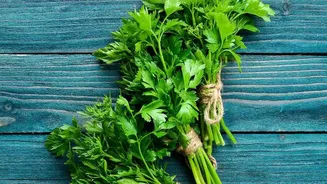
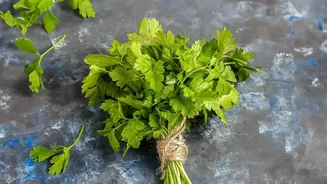
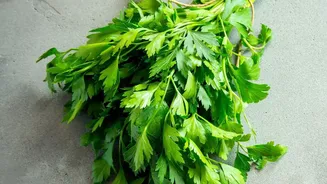
On a chemical level, parsley and lemon are a natural match because they share a flavor compound called limonene. This creates an inherent harmony between the two. But their magic also lies in contrast. Parsley, especially the robust flat-leaf variety,
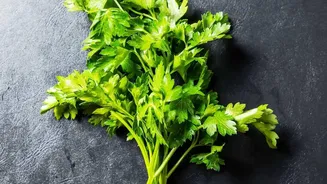
has a peppery, green, and slightly woody taste. Lemon’s citric acid provides a sour brightness that cuts through richness and balances other flavors. When you combine them, the lemon enhances parsley's fresh notes while the parsley grounds the lemon's sharpness, resulting in a vibrant, clean, and perfectly rounded taste profile. While curly parsley works well as a decorative garnish, flat-leaf (or Italian) parsley is generally preferred for its more potent and less bitter flavor, making the ideal choice for most recipes.
The Ultimate No-Cook Sauce: Gremolata
Perhaps the most famous celebration of the parsley and lemon pairing is gremolata. This classic Italian condiment is a simple, powerful mixture of finely chopped fresh parsley, minced garlic, and lemon zest. The beauty of gremolata lies in its simplicity and versatility. There’s no cooking required; you just combine the three core ingredients. The result is a zesty, garlicky, and herbaceous topping that adds a burst of freshness to rich, savory dishes. It’s traditionally served over osso buco (braised veal shanks), but it’s equally brilliant spooned over grilled fish, roasted chicken, seared steak, or even tossed with roasted vegetables to bring them to life.
Vibrant Marinades for Meat and Fish
Harnessing the power of parsley and lemon in a marinade is a simple way to infuse flavor deep into proteins like chicken and fish. A successful marinade typically requires an acid, an oil, and flavorings. Lemon juice acts as the perfect acidic component, not only adding flavor but also helping to tenderize the meat. When combined with finely chopped parsley, olive oil, garlic, salt, and pepper, it creates a foundational marinade that is both bright and savory. For chicken, allow it to marinate for at least an hour or up to six hours for the flavors to fully penetrate. For seafood, a shorter time of under two hours is best, as the lemon's acidity can begin to 'cook' the delicate flesh if left for too long.
Zesty Dressings and Vinaigrettes
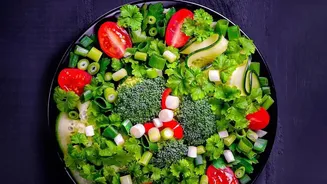
The parsley-lemon combination shines in salad dressings, offering a welcome alternative to heavy, creamy options. A basic vinaigrette can be whipped up by combining lemon juice, olive oil, finely chopped parsley, a touch of Dijon mustard, salt, and pepper. This simple dressing can elevate a basic green salad or be used in more complex grain-based salads. For example, the classic Lebanese salad tabbouleh relies heavily on this pairing. Tabbouleh is traditionally made with a large amount of finely chopped parsley, tomatoes, mint, onion, and bulgur wheat, all brought together with a generous dressing of olive oil and lemon juice. It’s a perfect example of how parsley can be the star of a dish, not just a supporting player.
The Essential Finishing Touch
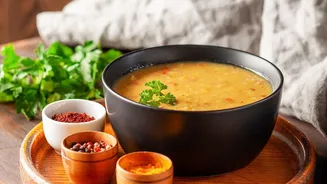
Never underestimate the impact of adding flavor at the very end of cooking. A final sprinkle of freshly chopped parsley and a squeeze of lemon juice just before serving can awaken a dish that has been simmering for hours. This technique works wonders on hearty soups, stews, and bean dishes. It’s also fantastic on simple pasta dishes, where a toss of parsley, lemon juice, garlic, and high-quality olive oil can create a light yet satisfying meal in minutes. This finishing touch adds a layer of bright, fresh flavor that contrasts beautifully with the cooked components of the dish, making the entire meal taste more dynamic and complete.