




A Landmark for the Land of Dawn-Lit Mountains
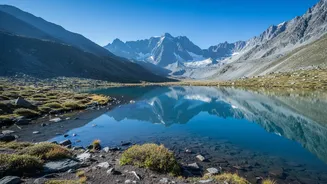
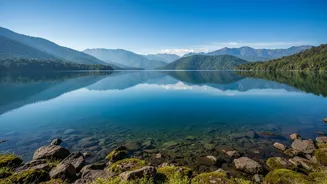
In a significant development for conservation in India, Glaw Lake in Arunachal Pradesh's Lohit district has been officially recognised as a Ramsar site, a wetland of international importance. This pristine high-altitude freshwater lake is not only the
first of its kind in the state but also marks India's 101st entry into the global list. The announcement, made by Union Environment Minister Bhupender Yadav, was celebrated by state officials as a landmark achievement that will boost efforts to conserve the region's rich biodiversity and support sustainable livelihoods for local communities. The designation places this ecological gem, nestled within the Kamlang Tiger Reserve and Wildlife Sanctuary, on the global conservation map.
What 'Ramsar' Designation Truly Means
So, what does it mean to be a Ramsar site? The Ramsar Convention is an international treaty established in 1971 in Ramsar, Iran, to provide a framework for the conservation and wise use of wetlands. When a country signs on, it commits to designating at least one wetland of international importance and ensuring its effective management. These sites are selected based on their value in terms of ecology, botany, zoology, or hydrology. The designation is not just an honour; it unlocks access to international technical guidance, encourages stricter legal protections, and helps in formulating dedicated management plans to safeguard the fragile ecosystem. It essentially signals a global commitment to preserving the ecological character of these vital areas.
The Ecological Jewel of the Eastern Himalayas
Glaw Lake is a biodiversity hotspot located deep within the Eastern Himalayas. Fed by perennial mountain streams and surrounded by dense primary forests, the lake and its catchment area form a critical ecosystem. This region is home to an incredible array of life, with records showing over 150 tree species and 49 orchid species within the site's boundary. This rich plant life supports a diverse range of fauna, making the entire Kamlang Tiger Reserve landscape an important area for conservation. As a high-altitude freshwater wetland, Glaw Lake represents a rare and valuable ecosystem type, making its protection under the Ramsar Convention particularly significant for maintaining the biological diversity of the entire biogeographic region.
A Buffer Against a Changing Climate
The headline's link between the Ramsar site and climate security is not just rhetoric; it’s scientific fact. Wetlands are nature’s workhorses in the fight against climate change. They act as massive carbon sinks, storing carbon in their soil and vegetation, which helps regulate global climate. Furthermore, they are crucial for water security. Glaw Lake plays a vital role in local hydrology by regulating water flow from its mountain streams, which helps mitigate the risk of floods downstream and ensures water availability during drier periods. In a region as ecologically sensitive as the Himalayas, where climate change impacts are more pronounced, preserving such natural buffers is essential for building resilience and ensuring a stable future for both nature and people.
Empowering Communities, Securing Livelihoods
Conservation efforts are most successful when they involve the people who live alongside these ecosystems. The Ramsar designation for Glaw Lake is expected to do just that by promoting sustainable livelihoods for the local communities. Many wetlands are central to the economic and cultural life of indigenous populations, and this international recognition reinforces the value of their traditional knowledge in managing these resources. The framework encourages 'wise use', which means utilising the wetland's resources in a way that is sustainable and maintains its ecological health. This approach strengthens the resolve to protect nature while securing the future of communities that depend on these invaluable ecosystems for their survival and well-being.