






The Failure of Willpower
Telling someone to go for a morning jog in a city where air quality regularly hits hazardous levels is not just unhelpful, it’s absurd. The reality for millions living in India’s bustling urban centres is that the environment itself is the single biggest
barrier to a healthy life. The daily gauntlet includes navigating streets without safe footpaths, enduring constant noise pollution, and facing a scarcity of clean, public recreational areas. This isn't a failure of individual discipline; it's a failure of urban design. The rise of non-communicable diseases like diabetes, hypertension, and respiratory illnesses in cities is a direct consequence of these environmental stressors, which no amount of motivational content can fix.
The Air and Space We're Denied
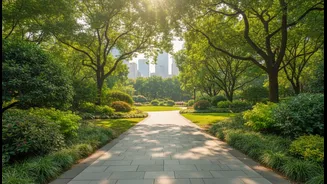
Air pollution is an unavoidable health crisis for urban India. With many cities frequently listed among the world's most polluted, residents are involuntarily exposed to toxins that lead to severe respiratory and cardiovascular diseases. This chronic exposure turns a simple act like breathing into a long-term health risk. Compounding this is the critical lack of green spaces. The United Nations recommends a minimum of 9 square metres of green space per capita; cities like Mumbai and Chennai have less than one. Parks and green areas are not luxuries; they are essential infrastructure for mental and physical well-being, helping to mitigate pollution, reduce urban heat, and provide citizens with a place for rest and activity.
An Unwalkable, Unlivable Landscape
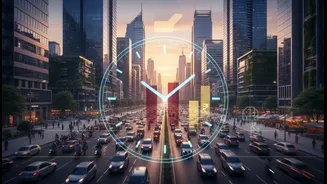
Our cities are increasingly designed for cars, not people. This has led to a sedentary lifestyle being forced upon residents who might otherwise choose to walk or cycle. The absence of safe, well-maintained pedestrian infrastructure makes active transport a dangerous proposition. This contributes directly to the rise of lifestyle diseases now prevalent across all income groups in urban areas. Furthermore, the urban food environment often favors cheap, processed foods over fresh, nutritious options. For many, particularly the urban poor, accessing affordable, healthy food is a significant challenge, creating 'food deserts' in the midst of plenty.
Designing Cities That Heal
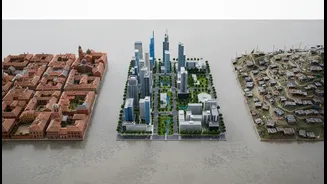
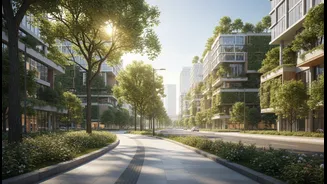
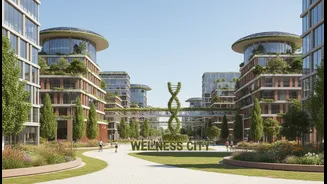
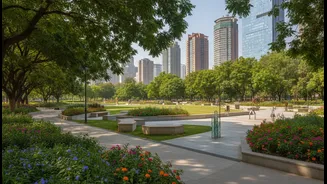
The solution lies not in shaming individuals, but in fundamentally rethinking our urban planning. A supportive environment means building cities with intention. This includes creating well-lit, accessible public parks and social spaces that encourage community connection. It means investing in infrastructure for active transport, such as dedicated cycling lanes and walkable neighbourhoods, as seen in cities like Pune and Bhubaneswar. It also requires implementing policies that aggressively tackle air and noise pollution at the source. The concept of a '15-minute city,' where residents can access all essential services within a short walk or bike ride, is a powerful model for a healthier urban future.