


The New Era of Indian Food
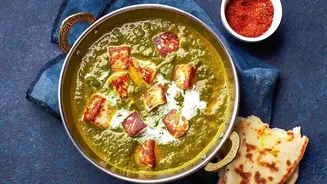
For decades, the global perception of Indian cuisine was often limited to a familiar menu of butter chicken, naan, and chicken tikka masala. While delicious, these dishes represent just a fraction of India's vast culinary landscape. Today, a new wave
of chefs is challenging this stereotype. They are diving deep into the country's diverse regional traditions while simultaneously embracing global influences. This movement isn't just about fusion; it's a confident reinterpretation of what Indian food can be, driven by a desire to showcase authenticity, regional diversity, and innovative techniques. The result is a thrilling evolution that is capturing the attention of diners worldwide.
High-Altitude Innovations in Ladakh
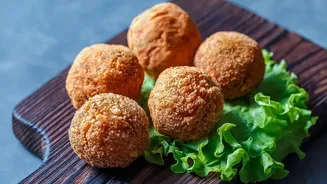
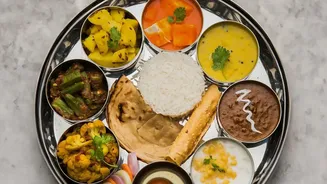
Ladakh's culinary scene, shaped by a harsh climate and resilient ingredients like barley and buckwheat, is experiencing a renaissance. Chefs and restaurateurs are championing local recipes and indigenous products with newfound confidence. Restaurants like Alchi Kitchen, founded by chef Nilza Wangmo, were among the first to introduce travelers to authentic Ladakhi dishes with a modern presentation. Others, like Tsas, offer vegetarian menus inspired by the owner's travels, blending Japanese and French concepts with Ladakhi cooking principles. Imagine arancini balls made from local barley and filled with yak's cheese (churpi), or a delicate pâté of local mushrooms. Even traditional dishes are getting a contemporary twist; restaurants like Bon Appetit have become known for creations like chocolate momos, while Gesmo Restaurant offers yak cheese pizzas alongside traditional thalis.
A Desi Twist in Tokyo
Thousands of kilometers away in Japan, a similar spirit of innovation is thriving. Tokyo, a global food capital, is home to a growing number of Indian restaurants that are moving beyond the standard curry house model. SPICE LAB TOKYO in the upscale Ginza district explicitly aims to overturn Japanese concepts of Indian food. It offers modern Indian tasting menus that incorporate Japanese ingredients and sensibilities, creating a union of the two cultures on a plate. Other establishments, like Kochiyo, are exploring unique fusions, bringing together the food culture of Kerala with the bold flavours of the Middle East, a combination born from ancient trade routes. This approach introduces a completely new dining experience to Japan, one that is authentic, deeply flavourful, and reflective of India's diverse history.
The Chefs Driving the Change
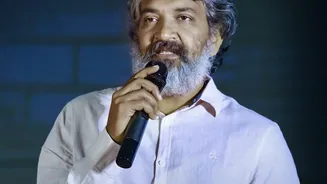
This culinary movement is propelled by visionary chefs who act as cultural ambassadors. Many are reviving forgotten recipes and championing hyper-local ingredients that have been overlooked for years. Chef Prateek Sadhu, for example, celebrates the wild, foraged foods of the Himalayan region, using ingredients like sea buckthorn from Ladakh and dandelion from Kashmir. In New York, Chef Vijay Kumar earned a James Beard Award by showcasing the dazzling food of his native Tamil Nadu at his restaurant Semma. These chefs are not just cooking; they are storytelling, using food to connect diners with the rich heritage and biodiversity of India's various regions. Their work is part of a broader trend that has seen Indian cuisine become one of the most exciting frontiers in global gastronomy.
Why Now? A Perfect Blend of Factors
Several factors are fuelling this global embrace of regional and fusion Indian food. Diners today are more adventurous, actively seeking authenticity and the stories behind their meals. The global rise of plant-based eating has also played a significant role, as India's rich vegetarian traditions offer a naturally diverse and flavourful meat-free catalogue. Furthermore, a new generation of Indians, with palates shaped by travel and global media, is driving a demand for more layered and ambitious expressions of their own food heritage. This internal curiosity, combined with a growing international appetite for regional diversity, has created the perfect environment for this culinary evolution to flourish.