
The First Rule of Pairing
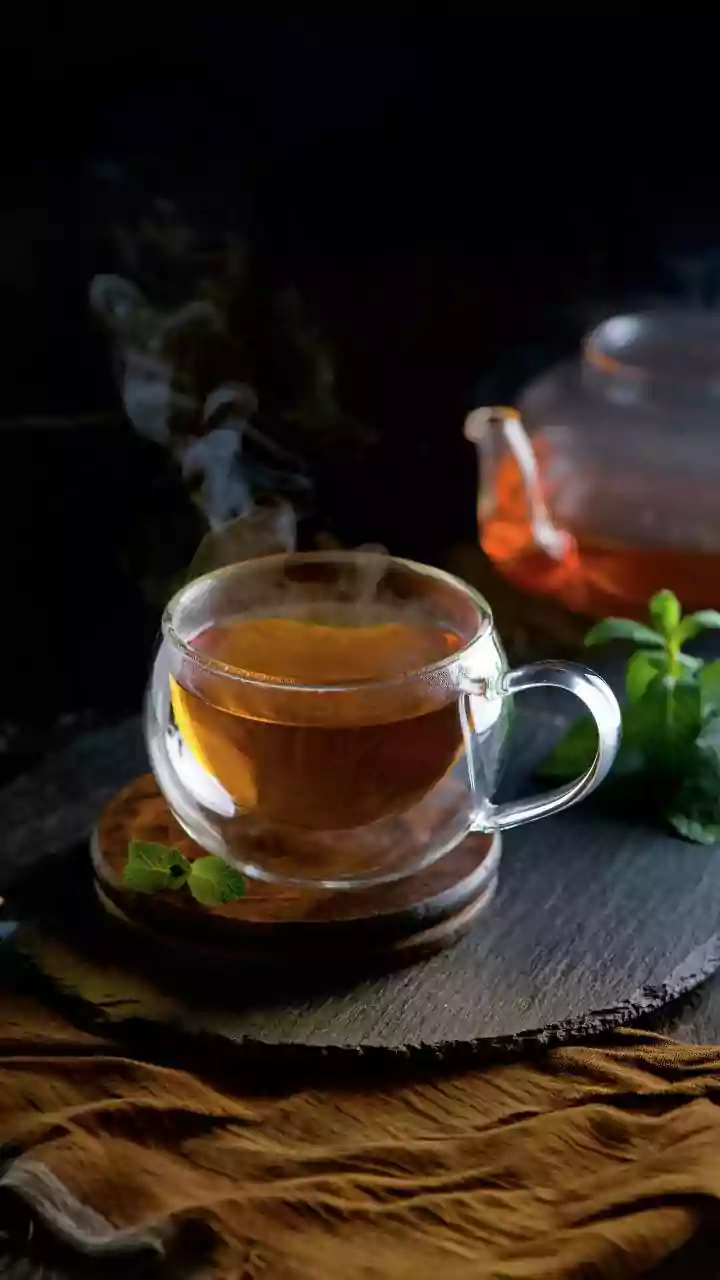
The fundamental principle of pairing food with tea is balance. The goal is to create a harmonious conversation between the snack and the beverage, where neither one shouts over the other. A robust, spicy samosa, for example, will completely overwhelm
the delicate, floral notes of a Darjeeling first flush. Conversely, a very light snack might disappear next to a strong, malty Assam. Think of it as matching intensity: light teas require light-flavoured foods, while strong teas can handle richer bites. For a tasting, where the tea is the star, it's always best to err on the side of subtlety.
Understanding Your Teas
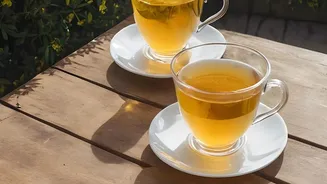
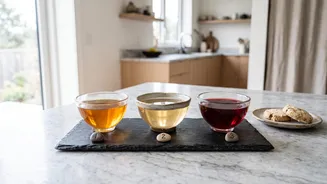
To pair effectively, it helps to know the general character of what you're serving. White teas are the most delicate, often with subtle sweet and floral notes that need the lightest touch. Green teas can range from grassy and vegetal to toasty and nutty; they pair well with mild, refreshing flavours. Oolongs are incredibly diverse, sitting between green and black teas, and can be either light and floral or dark and roasted. Black teas are the boldest, with malty, fruity, or smoky profiles that can stand up to slightly richer foods. When in doubt, a simple, neutral snack will work with almost any tea.
Savoury and Simple Delights
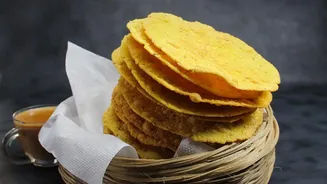
When it comes to savoury options, think plain and lightly salted. Plain butter biscuits or digestive biscuits are classic for a reason; their mild sweetness and satisfying crunch complement black tea without competing. Simple crackers, like cream crackers or water biscuits, are excellent vehicles for the tea's flavour. In an Indian context, a plain, baked mathri or a crispy, un-spiced khakhra can serve a similar purpose, offering a delightful texture and a hint of savoury flavour. A small bowl of unsalted or lightly salted nuts, like almonds or cashews, also works beautifully.
Subtly Sweet Baked Goods
If you wish to serve something sweet, avoid heavily frosted cakes or intensely rich pastries. A simple, plain sponge cake or a classic pound cake allows the tea to be the main event. Shortbread cookies, with their buttery but not overly sweet profile, are a perfect match for many black and oolong teas. Scones are another traditional choice, but for a tasting, it's best to serve them with a very mild cream and perhaps skip the strong, sugary jam. The goal is a hint of sweetness that cleanses the palate rather than coating it.
Fresh and Neutral Bites
Sometimes the simplest options are the best. Classic cucumber sandwiches, with just a thin layer of butter on soft white bread, are iconic for high tea because their fresh, clean flavour profile is the perfect companion to a wide range of teas. Sliced fresh fruits with mild flavours, such as pear, apple, or melon, can also be a refreshing choice, especially with lighter green and white teas. Their natural sweetness and juicy texture provide a lovely contrast without being overpowering. Avoid highly acidic citrus fruits, as they can clash with the tea and even curdle milk.
What to Strictly Avoid
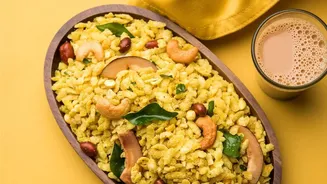
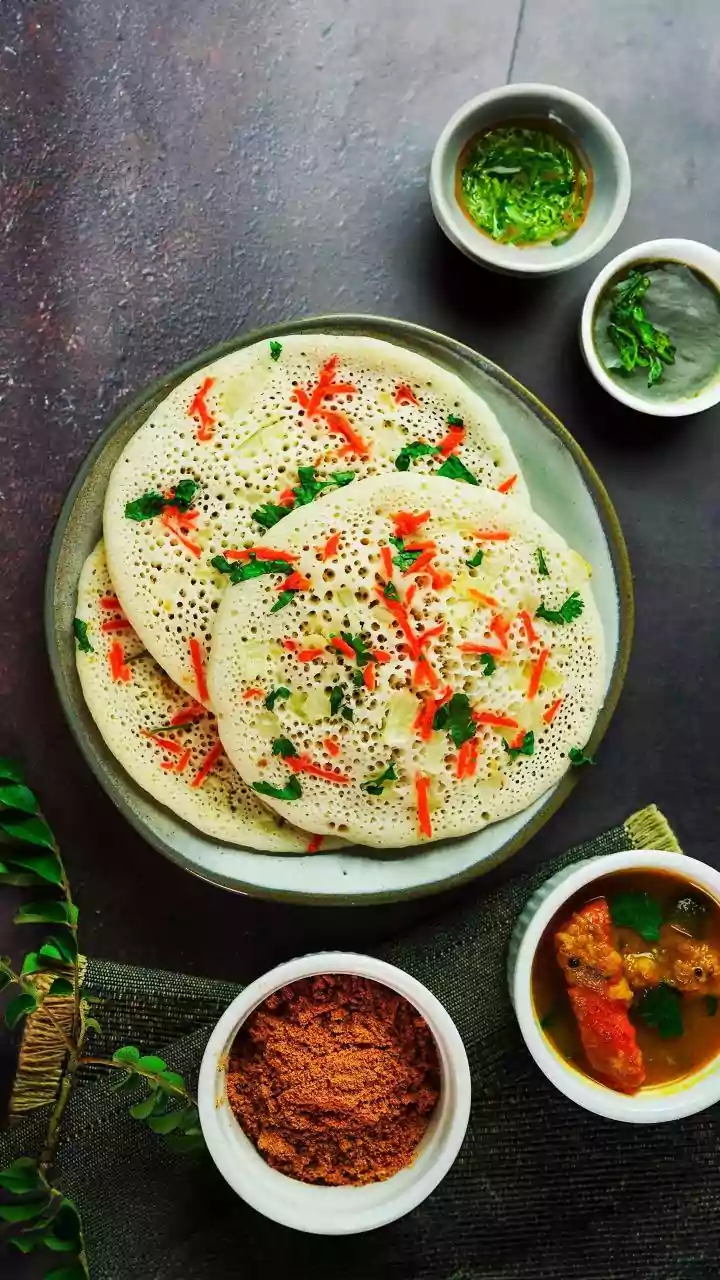
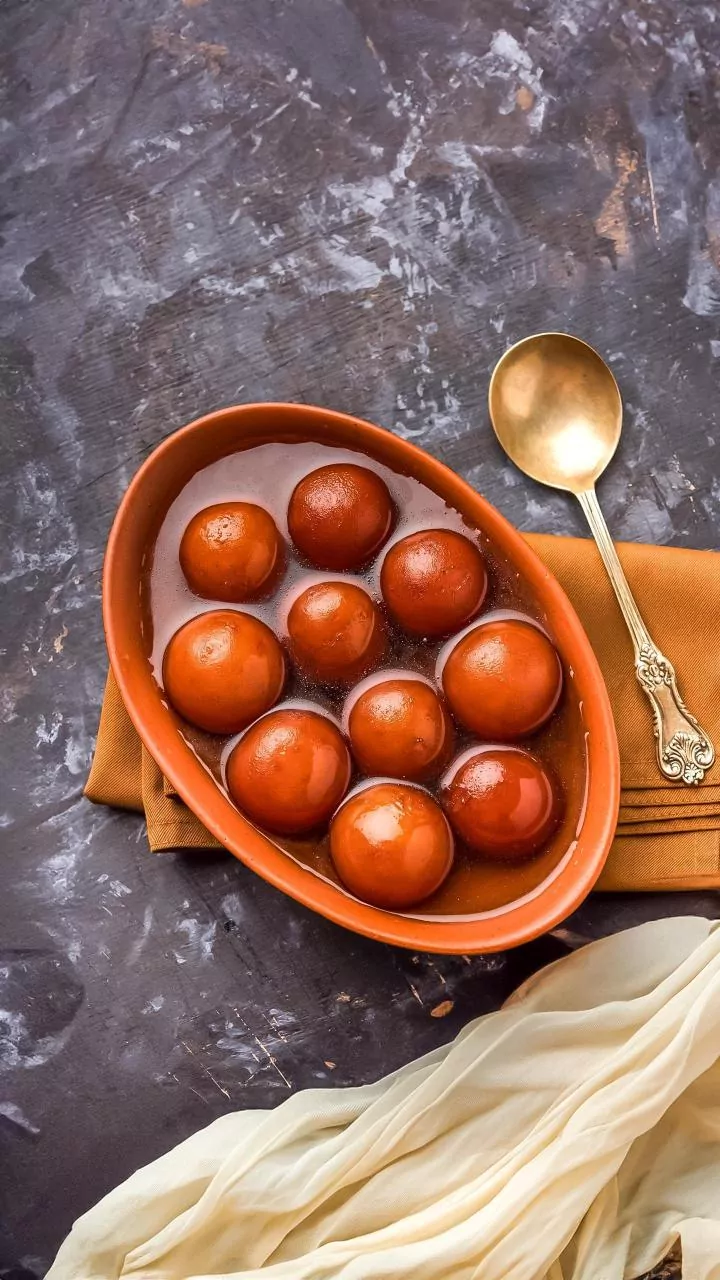
Just as important as what to serve is what not to serve. Steer clear of anything very spicy, as the heat will numb your palate to the tea's subtleties. Oily or fried foods, like pakoras or french fries, coat the tongue and make it difficult to taste delicate notes. Strong flavours like garlic, onion, and heavy spices are definite no's. Likewise, avoid very creamy or cheesy items and intensely sweet desserts, particularly those with a lot of chocolate or heavy frosting, as they will dominate the tasting experience completely.