





The Numbers Behind the Chaos
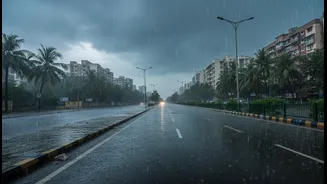
This July has been relentless. In the first week alone, Mumbai's weather observatories recorded staggering amounts of rainfall, with some areas receiving nearly 1,000 mm. To put that into perspective, the city received over 60% of its average seasonal
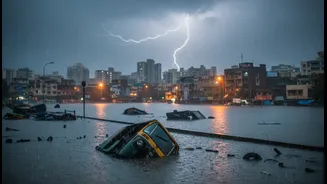
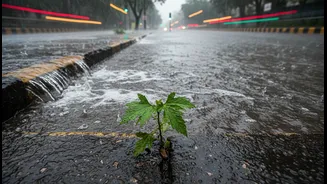
rainfall in just six days, surpassing the entire monthly average for July before the first week was even over. The India Meteorological Department (IMD) defines 'extremely heavy' rainfall as 204.5 mm or more in 24 hours, a benchmark that was crossed on multiple days. This year’s downpour is one of the wettest starts to the season in nearly three decades. Climate scientists point to a worrying trend: the monsoon isn't just bringing rain, but concentrating it into shorter, more intense, 'cloudburst-like' episodes that urban infrastructure simply wasn't built to handle.
The Daily Waterlogging Dilemma
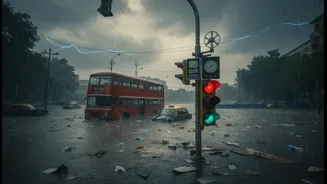
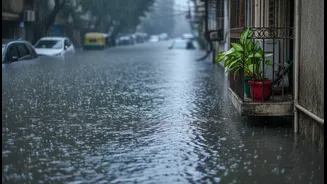
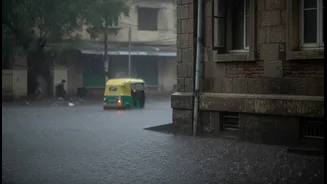
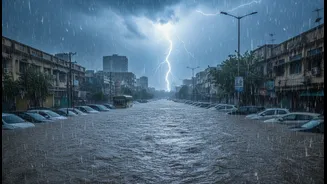
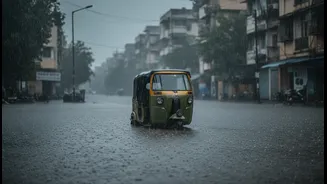
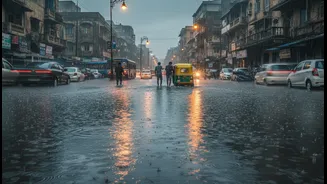
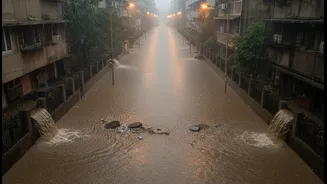
For Mumbaikars, these numbers manifest as knee-deep water on their doorsteps. Familiar areas like Andheri, Bandra, Wadala, and Kurla have faced severe waterlogging, turning routine journeys into unpredictable challenges. The decision of whether to venture out for work, which route to take, or even what footwear to use becomes a strategic choice guided by real-time flood maps and social media updates. Despite the Brihanmumbai Municipal Corporation (BMC) deploying hundreds of dewatering pumps and claiming extensive pre-monsoon desilting, the sheer volume of rain often overwhelms the system. The combination of extreme rainfall, high tides, and aging drainage infrastructure creates a perfect storm for flooding, forcing residents to constantly adapt to a city submerged.
Navigating the Commuter's Nightmare
The city’s transport network, the lifeline for millions, is the first casualty of the deluge. Local train services on the Western, Central, and Harbour lines have been frequently delayed or suspended due to waterlogged tracks. Major arterial roads like the Western Express Highway and the Mumbai-Ahmedabad Highway have seen massive traffic snarls, sometimes worsened by landslides on key ghat sections connecting Mumbai to Pune and Nashik. Airlines have issued advisories, with flight delays becoming common due to adverse weather conditions. For commuters, the monsoon transforms the daily journey into a test of patience and perseverance. It's a scramble for information, relying on official alerts from the BMC and IMD, as well as crowd-sourced updates on social media, to navigate the gridlock.
The Renter's Resilience Test
While every resident faces the monsoon's wrath, those in rented accommodations, particularly in older buildings, endure a unique set of challenges. The season becomes a battle against leaking roofs, damp walls, and the constant fear of structural collapse. Many older 'pagdi' and cessed buildings, which house thousands of tenants, are declared dangerous year after year, yet residents often have little choice but to stay. The complexities of rent control laws mean landlords may lack the funds or incentive for proper maintenance, leaving tenants to deal with the consequences. Evacuating means risking the loss of tenancy rights and facing a rental market with impossibly high prices, trapping them in a cycle of fear and uncertainty every time the sky turns grey. Their resilience is not a choice but a necessity born from a lack of viable alternatives.
Technology as an Urban Umbrella
In this annual struggle, technology has emerged as a crucial ally. The BMC’s disaster management cell now uses an IoT-enabled system to monitor its network of dewatering pumps in real-time. For citizens, a host of apps and social media handles provide indispensable, up-to-the-minute information on weather warnings, traffic diversions, and train statuses. Twitter, in particular, becomes a live feed of the city’s condition, with official accounts and fellow commuters sharing alerts. Community WhatsApp groups buzz with localised information, helping neighbours warn each other about flooded lanes or power outages. This digital ecosystem acts as a collective umbrella, empowering individuals to make smarter, safer decisions and fostering a sense of community-driven resilience in the face of the storm.