


The Unbeatable Economics of the Rails
The primary allure of train travel for any value-seeker is its exceptional affordability. In India, the cost difference between a train ticket and a flight is often significant, especially for distances under 800 kilometres. A third AC train ticket can be several
times cheaper than a budget airline fare for the same route, even before factoring in the additional costs of air travel like baggage fees and expensive airport taxis. Official data from Indian Railways underscores this trend, showing a consistent rise in passengers, particularly in non-AC coaches, which reflects a growing reliance on budget rail travel among low- and middle-income families. In the 2024-25 period alone, a staggering 651 crore passengers travelled in general coaches. Beyond the ticket price, train journeys offer hidden savings. An overnight trip, for instance, doubles as a night's accommodation, saving a hotel bill while you travel. With generous luggage allowances compared to airlines, you can pack what you need without worrying about exorbitant excess baggage charges.
A Window to the Heart of India
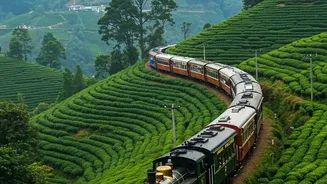
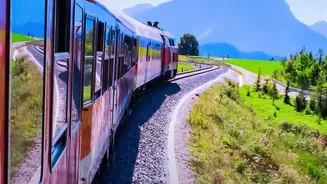
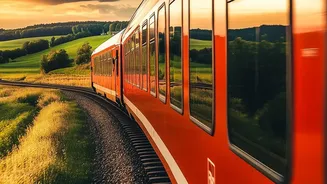
For the true explorer, value isn't just about money saved; it's about the richness of the experience. Train travel offers a front-row seat to the unfolding story of India's diverse landscapes. Unlike the detached, sterile view from 30,000 feet, a train window frames an ever-changing canvas of life: from the lush rice paddies of Bengal to the rugged ghats of the Konkan coast, and the vibrant villages that dot the countryside. Iconic routes like the Mumbai to Goa line on the Mandovi Express offer breathtaking views of the Sahyadri Hills and the Arabian Sea, especially during monsoon season. Similarly, the journey from Chennai to Rameswaram, which includes crossing the famous Pamban Bridge over the sea, provides an awe-inspiring experience that a flight or car simply cannot replicate. These journeys transform travel from a mere transit into a key part of the adventure itself.
The Journey Becomes the Destination
The unique social fabric of an Indian train journey is an experience in itself. The shared spaces in sleeper and AC coaches often turn into temporary communities where passengers share food, stories, and travel tips. This spontaneous cultural immersion offers insights that are impossible to gain in the isolated environment of a plane or private car. The slower pace encourages relaxation and connection. There's freedom to walk around, stretch, or stand by the door to feel the breeze, a stark contrast to being confined to a seat with a seatbelt sign on. From sipping chai sold by vendors at station stops to striking up conversations with fellow travellers from different walks of life, the journey becomes a memorable part of the exploration.
Navigating Your Rail Adventure
Maximising the value of your train expedition requires a little planning. Booking tickets well in advance, typically up to 120 days, through the IRCTC website or app is crucial, as popular routes fill up fast. For the most budget-friendly option, Sleeper Class offers an authentic experience, though AC 3-Tier and AC Chair Car provide a great balance of comfort and cost for longer or daytime journeys. Routes like the heritage 'toy trains' in Kalka-Shimla, Darjeeling, and Ooty offer slow, scenic journeys through mountains and are a must-do for photographers and nature lovers. While these are incredibly popular, other stunning routes like the Visakhapatnam to Araku Valley line with its Vistadome coaches provide panoramic views of the Eastern Ghats at an affordable price. Packing some snacks and a water bottle is always a good idea, though dining cars and station vendors offer a taste of local flavours along the way.