






Master the 2026 Monsoon Calendar
The key to maximising your travel is to build your plans around public holidays. The 2026 monsoon season (June to September) offers several opportunities. Muharram falls on a Friday (June 26), giving you a natural three-day weekend to kick off the season.
August is promising, with Independence Day (August 15) on a Saturday; taking Friday, August 14 off creates a perfect monsoon long weekend. September is even better, with Janmashtami on a Friday (September 4), offering another straight three-day break without needing to take leave. Look at these dates, check your own office's policy on optional holidays, and identify where a single day of leave can create a four-day mini-vacation. This 'trip stacking' approach allows for more breaks without draining your leave balance.
Choose Your Monsoon Destination Wisely
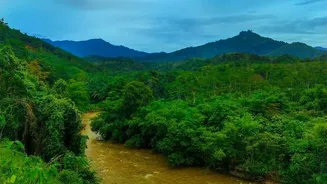
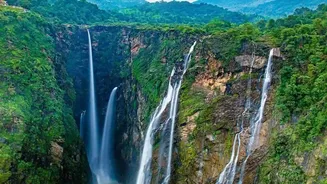
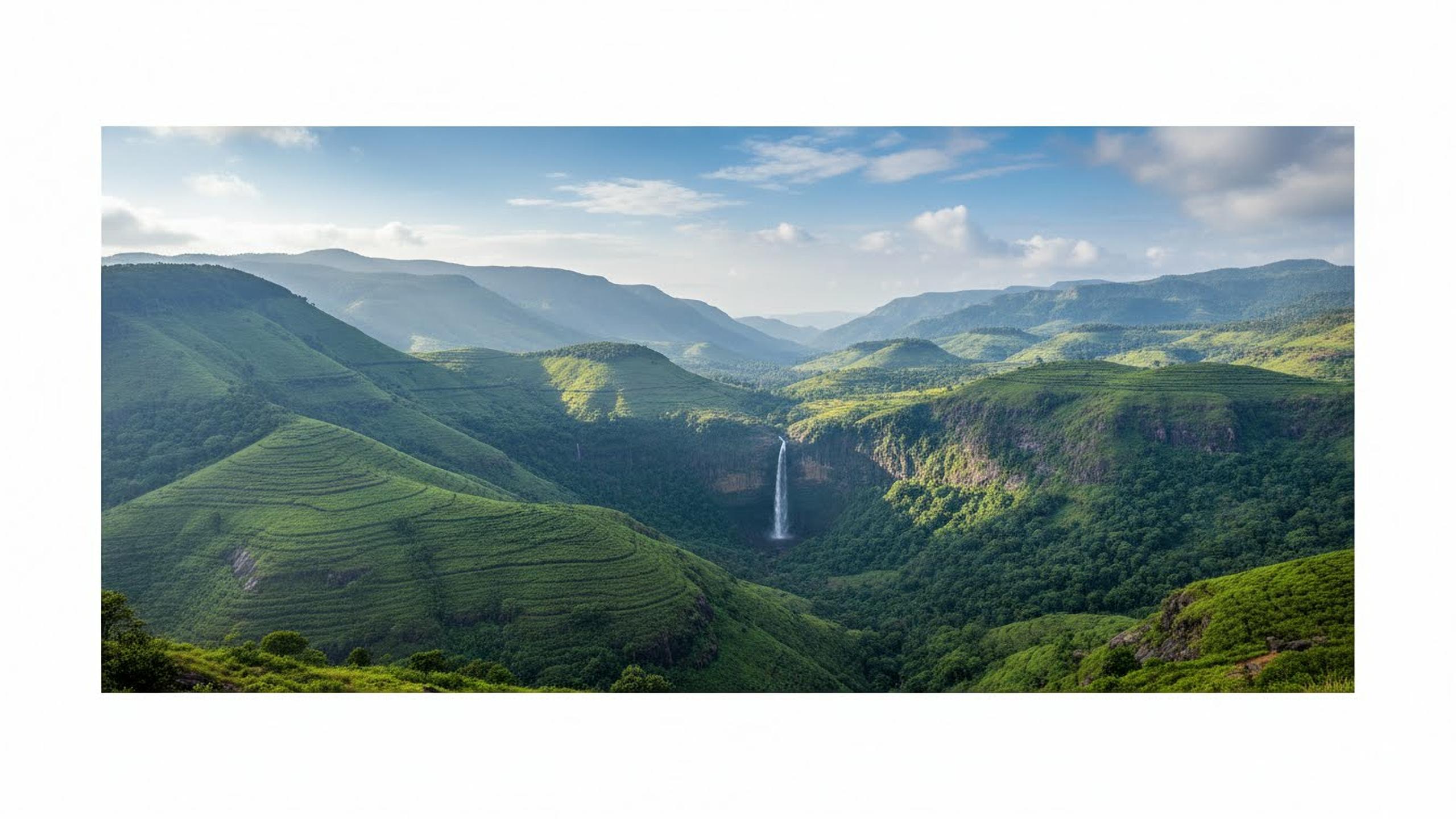
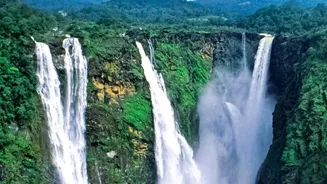
Not all destinations are equal during the rains. While some places become inaccessible, others are in their prime. For lush greenery and gushing waterfalls, the Western Ghats are a classic choice; destinations like Lonavala, Mahabaleshwar, and Coorg are spectacular. Udaipur in Rajasthan, often seen as a winter destination, is stunning with its lakes full and crowds thinner. In the south, Kerala's backwaters and the tea gardens of Munnar take on a magical, misty quality. However, it's crucial to be cautious. Avoid landslide-prone zones and areas with a history of severe flooding. A smart choice isn't just about beauty, but also accessibility and safety during the season.
Adopt Smart Booking Strategies
The monsoon is typically considered an off-season for many tourist spots, which can mean better deals on flights and hotels. However, for popular monsoon-specific destinations, prices can still be high, especially over long weekends. The best approach is to book flights and accommodation well in advance once you've locked in your dates. Look for flexible booking options that allow for changes or cancellations. Heavy rains can disrupt travel plans, and having a fallback option is invaluable. Booking hotels closer to main transport hubs can also reduce the hassle of navigating waterlogged streets upon arrival.
Pack for Rain, Not Regret
Packing smart is non-negotiable for a monsoon trip. Your goal is to stay dry and comfortable. Essentials include a reliable raincoat or poncho, a compact umbrella, and waterproof footwear with good grip to handle slippery surfaces. Opt for quick-drying synthetic clothes over cotton or denim, which stay damp for ages. A waterproof backpack or a rain cover for your existing bag is crucial to protect your belongings, especially electronics. Also, pack a waterproof pouch for your phone, wallet, and documents. Don't forget a mosquito repellent and a basic first-aid kit with any personal medicines you may need.
Prioritise Safety and Flexibility
Monsoon travel requires a flexible mindset. Road closures, flight delays, and train disruptions are common. Always check the weather forecast and local advisories before and during your trip. Build buffer days into your itinerary to account for potential delays, so a missed connection doesn't derail your entire trip. Be extra cautious on road trips; avoid driving at night in heavy rain and be wary of slippery conditions. When it comes to food and water, stick to bottled water and eat at clean, reputable establishments to avoid water-borne illnesses, which are more common during this season.