




The Annual Pothole Pandemic
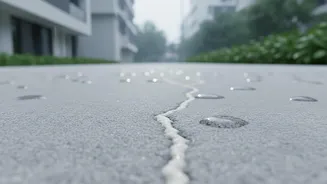
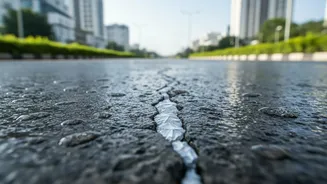
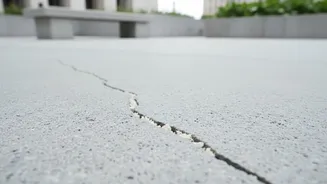
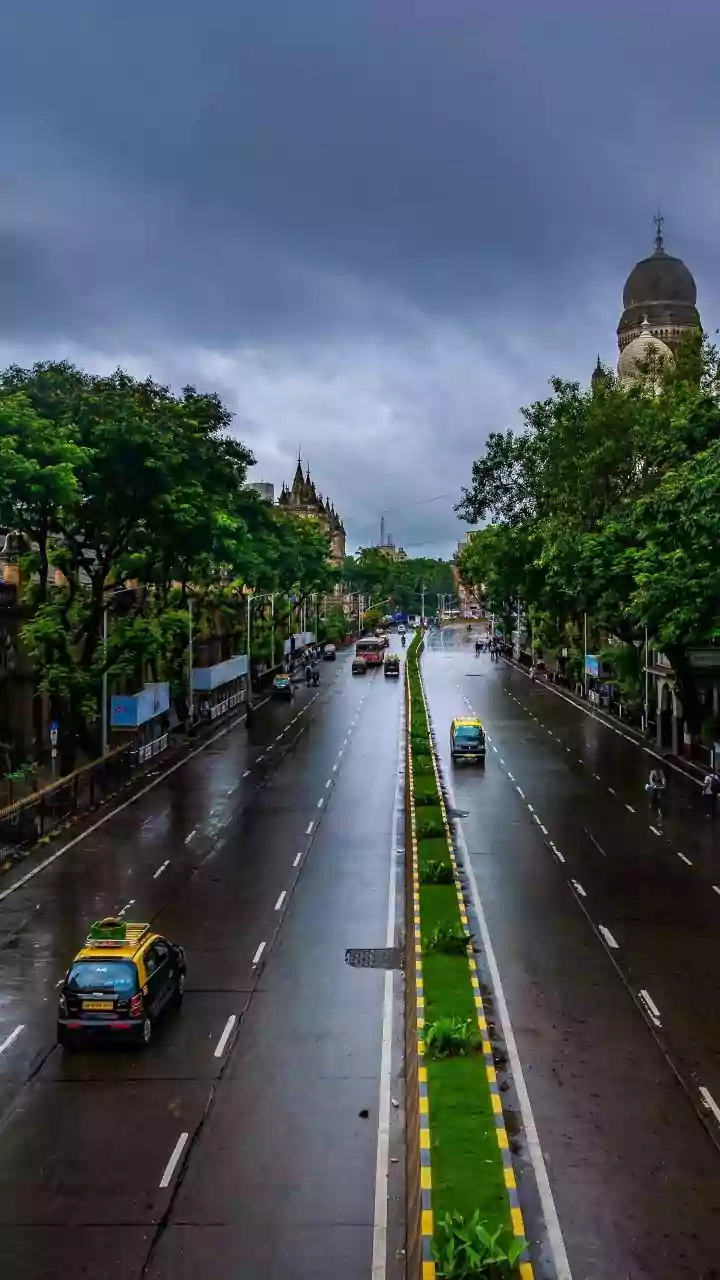
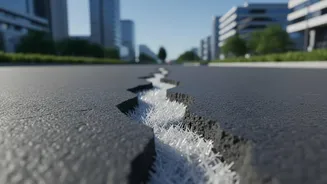
For motorists across India, navigating roads after a downpour is a test of skill and patience. What begins as a small crack from summer heat and traffic stress quickly becomes a gateway for water. Once rainwater seeps under the asphalt, it weakens the foundation.
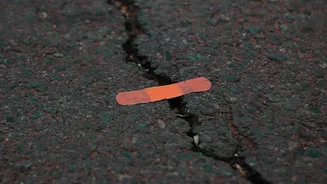
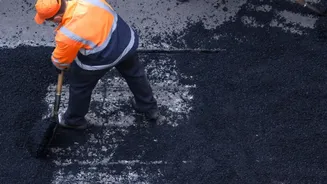
The constant pressure from vehicles then causes the surface to collapse, creating the craters that damage vehicles, slow traffic, and pose serious safety risks. Traditional repairs often feel like a temporary fix. Patching a hole without addressing the underlying water damage means the pothole is likely to reappear, sometimes just weeks later, creating an endless and costly cycle of repair. This recurring problem highlights the need for more durable and resilient road-building technologies.
A Living Solution to a Concrete Problem
Enter self-healing concrete, an innovative material that could fundamentally change how we maintain our infrastructure. The concept involves embedding dormant, alkali-resistant bacteria, typically from the Bacillus genus, directly into the concrete mix along with a nutrient source like calcium lactate. These are not just any bacteria; they are extremophiles, capable of surviving in the harsh, high-pH environment of concrete and remaining inactive for years. This biological approach, known as microbiologically induced calcite precipitation (MICP), essentially gives the concrete a built-in, autonomous repair system. Research is being carried out by institutions like the National Institute of Technology (NIT) Srinagar, with support from the Department of Science and Technology (DST), to develop economical and effective versions for Indian roads.
How Bacteria Play the Role of Mason
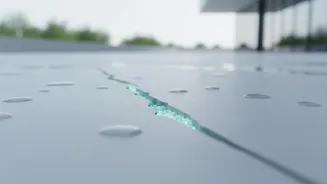
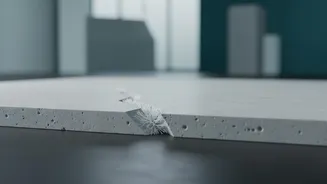
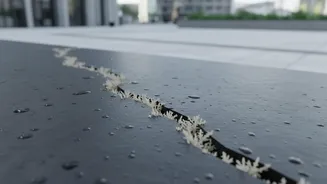
The process is remarkably elegant. When a crack forms in the concrete, it allows water and oxygen to enter. This acts as a trigger, waking up the dormant bacterial spores. Once activated, the bacteria begin to feed on the nutrients embedded alongside them in the concrete. This metabolic process produces calcium carbonate, also known as calcite, which is a limestone-like substance. The newly formed calcite crystals grow and expand, filling the crack from within. This natural filler effectively seals the gap, not only restoring the structural integrity but also preventing further water ingress, which is the primary cause of road deterioration. The result is a road that can automatically heal minor damage, potentially extending its lifespan and reducing long-term maintenance needs.
From the Lab to the Streets
While much of the research has been in the lab, self-healing concrete is now seeing real-world trials globally, including in India. The Nuclear Power Corporation of India has reportedly explored using this technology for its robust structures. Furthermore, as part of the Smart Cities Mission, several cities are said to be testing these advanced materials in critical infrastructure projects like flyovers and metro stations. Research in India is also focused on identifying indigenous bacterial strains that are best suited to the country's diverse and often extreme climatic conditions. One study highlighted the use of Bacillus subtilis sourced from the National Collection of Industrial Microorganisms in Pune for creating self-healing concrete mixes. These trials are crucial for understanding how the technology performs outside controlled environments and for assessing its large-scale feasibility.
The Road Ahead: Hurdles and Hope
Despite its promise, self-healing concrete faces significant challenges before it can become a mainstream solution for India's roads. The primary obstacle is cost; bacterial concrete is currently more expensive to produce than traditional concrete. There are also questions about its long-term performance over decades and its ability to heal larger cracks. Some studies have shown conflicting results regarding its compressive strength compared to conventional concrete, although methods like encapsulating the bacteria seem to improve performance. Standardization and regulation are also needed to ensure quality and reliability. However, the potential benefits are immense. By extending the service life of roads and reducing the need for constant repairs, the technology could lead to significant long-term savings and improve overall road safety.