




The Pookalam: A Floral Carpet of Conscience
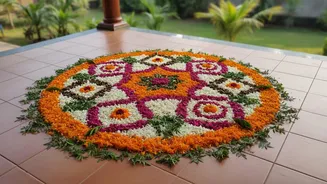
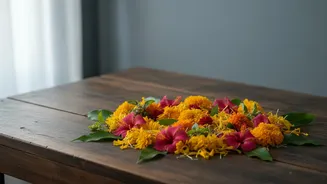
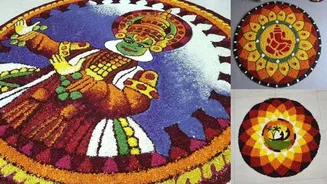
The pookalam is the heart of Onam decor, a vibrant floral carpet laid out to welcome the king. To make this tradition more sustainable, the first step is to be mindful of your materials. Instead of using plastic or synthetic elements, opt exclusively
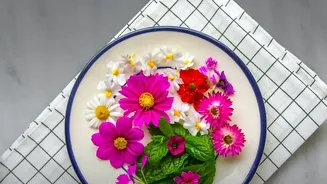
for fresh, locally sourced flowers like marigolds, jasmine, and chrysanthemums. These are not only biodegradable but also support local vendors. After the festival, these flowers can be composted, turning into nutrient-rich manure for your garden, thus completing a beautiful natural cycle. For those with limited access to fresh flowers, consider creative alternatives like coloured rice, turmeric powder, or pulses to create your design. You can even dry the petals from your pookalam to use in potpourri or for smaller decorative touches next year.
Doorways and Drapes: Reusable Thorans and Textiles
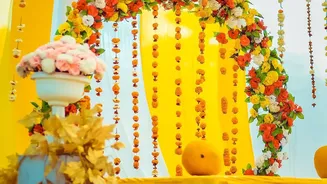
Decorating doorways and walls adds to the festive cheer. However, single-use plastic thorans (garlands) and banners contribute significantly to post-festival waste. A wonderful alternative is to invest in or create reusable thorans made from fabric, jute, wood, or even metal bells. These can be carefully stored and brought out year after year, becoming a part of your family's Onam traditions. Another elegant idea is to use textiles like Kasavu fabric, the traditional cream and gold cloth of Kerala sarees. Draping Kasavu as a door hanging or a table runner instantly evokes the spirit of Onam in a classic, reusable way. Even coconut shells and palm leaves can be fashioned into beautiful, rustic ornaments that are fully compostable.
Lighting Up Your Home, Naturally
The warm glow of lamps is essential to the Onam ambience, especially in the evening. Instead of relying on electric fairy lights that consume power and are often made of plastic, return to the timeless charm of traditional lamps. Earthen or terracotta diyas are an excellent eco-friendly choice. They are inexpensive, biodegradable, and lend a rustic, authentic look to your decor. For a more permanent investment, traditional brass lamps (Nilavilakku) are perfect. These beautiful lamps are family heirlooms that can be passed down through generations, making them the ultimate reusable decoration. Floating these diyas or flower petals in a brass uruli (a traditional vessel) filled with water creates a stunning and serene centrepiece.
The Sadya Setting: An Eco-Friendly Feast
The grand Onam Sadya, or feast, is as much a visual experience as a culinary one. The most traditional and sustainable way to serve the Sadya is on a fresh banana leaf, which acts as a natural, disposable plate that is fully compostable. This eliminates the need for plastic or paper plates. When it comes to serving dishes and cutlery, ditch the disposables. Instead, use your regular steel or ceramic dinnerware. To enhance the festive feel, consider investing in traditional and reusable items like serving trays and bowls made of wood or bamboo. Even small details, like using coconut shells for serving certain chutneys, can add an authentic, zero-waste touch to your meal presentation.
Beyond Decor: Sustainable Gifting and Practices
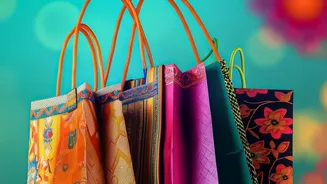
Extend the spirit of sustainability beyond just decorations. When exchanging gifts, consider thoughtful, eco-friendly options. Potted plants, seed kits, handloom textiles, or artisanal food products from local producers are all wonderful choices that align with the harvest festival's ethos. You can also gift reusable items like stainless steel water bottles or stylish jute bags. When shopping for the festival, remember to carry your own cloth bags to reduce plastic waste. By integrating these small but meaningful practices, the celebration becomes a true homage to nature and community, reflecting the core values of Onam in every aspect.