





Smarter Laundry, Significant Savings
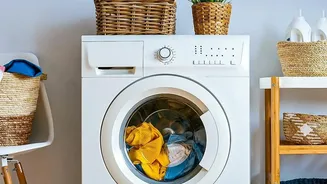
Laundry accounts for a substantial portion of household water usage, often between 15-20%. A single cycle in a top-loading washing machine can use 100 to 150 litres of water. The first and simplest rule is to only run your washing machine with a full
load. This practice alone can reduce your wash cycles by 30-40%, saving thousands of litres annually. If your machine has a load-size setting, use it to match the water level to the amount of clothes. For most fabrics, a cold-water wash is just as effective and saves the energy required to heat the water. Consider pre-soaking heavily soiled clothes instead of using an extra rinse cycle. For those who hand-wash, using a bucket for washing and another for rinsing, rather than washing under a running tap, offers massive savings. The leftover rinse water, known as greywater, is perfect for mopping floors or flushing toilets.
Efficient Cleaning Habits
Our daily cleaning routines often waste more water than we realise. A running hose can use hundreds of litres in a short time, so switching to a bucket and mop for cleaning floors, balconies, or washing a car is a critical change. For indoor surfaces, instead of drenching a cloth under the tap, use a spray bottle with a cleaning solution to target specific areas. When it comes to washing dishes, the habit of leaving the tap on while scrubbing is a major source of waste. Soaking pots and pans beforehand makes them easier to clean with less water. If you have a dishwasher, ensure it is completely full before running a cycle. Much like a washing machine, it uses a similar amount of water regardless of the load. Collecting the reject water from RO purifiers, which can be two to three litres for every litre of pure water, is another high-impact strategy. This water is ideal for all non-potable cleaning tasks.
A Water-Wise Kitchen
The kitchen is a hub of constant water usage, but simple shifts in our cooking preparation can lead to big savings. Instead of washing fruits and vegetables under a running tap, use a large bowl or basin filled with water. This collected water can then be reused to water houseplants. When boiling food like pasta or vegetables, use only as much water as you need. This not only saves water but also helps retain more nutrients in the food. Once cooled, this nutrient-rich water is excellent for watering your garden. Another tip is to plan ahead and thaw frozen food in the refrigerator overnight rather than using running water to defrost it quickly. Choosing the right size of pot or pan for your cooking also helps; a larger pan requires more water to cook the same amount of food, leading to unnecessary waste.
Simple Fixes, Big Impact
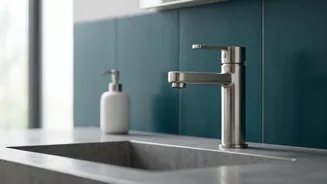
Beyond daily chores, some of the most effective water-saving measures are structural. A single dripping tap can waste up to 15 litres a day, which adds up to over 5,500 litres a year. Regularly checking for and fixing leaks in taps, pipes, and toilet cisterns is crucial. A simple way to check for a toilet leak is to add a few drops of food colouring to the tank; if the colour appears in the bowl without flushing, you have a leak. Installing faucet aerators is another low-cost, high-impact solution. These small devices mix air with water, reducing flow by up to 50% without sacrificing pressure, and can be easily fitted onto most kitchen and bathroom taps.