








The New Language of Travel
A quiet revolution is changing how Indians travel. Food has become the main reason many people pack their bags, with some studies showing that nearly 40% of travellers identify local cuisine as a major factor in planning trips. This trend, known as culinary
or gastronomic tourism, is about more than just eating out. It is an immersive experience that involves seeking authentic, regional, and traditional food. Travellers are increasingly planning entire holidays around visiting a specific restaurant, exploring a city's street food, or learning to cook local dishes. The desire for authentic experiences means moving beyond generic menus and connecting with the culture, heritage, and stories behind the food on the plate. This shift is driven by a growing appreciation for India's incredible culinary diversity and the influence of social media, which highlights unique regional cuisines and inspires food-centric journeys.
The Allure of the Coastline
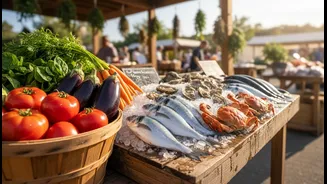
India's extensive coastline offers a treasure trove for the food-focused traveller. The journey often starts in bustling fish markets, which are destinations in themselves. In places like Kerala, you can visit the shore at dawn to see fishermen bring in their daily catch, a vibrant scene of local commerce that supplies seaside restaurants and inland vendors. From there, the trail leads to coastal kitchens. In Goa, the cuisine is a flavourful fusion of Indian spices and Portuguese influences, with iconic dishes like Fish Curry and Prawn Balchão. Further south in Kochi, the food is fragrant with spices that have drawn traders for centuries, featuring soothing coconut and warm pepper. The coastal cuisines of Bengal, with their signature mustard-based curries, and Maharashtra's Malvani fare, with its bold and punchy flavours, offer distinct culinary identities that food lovers are eager to explore. It's an experience that connects the plate directly to the sea.
The Fresh Promise of the Hills
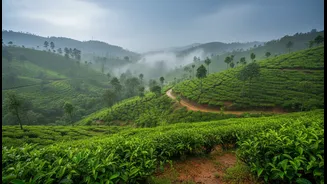
Away from the sea, the hills and mountains are offering their own form of culinary pilgrimage. Here, the focus shifts to fresh produce, foraged ingredients, and the concept of farm-to-table dining. Hill stations like Coonoor in the Nilgiris are becoming known not just for their views, but for their farm-fresh ingredients and recipes passed down through generations. In states like Uttarakhand and Himachal Pradesh, travellers can explore a seasonal menu featuring traditional ingredients like local millets, lentils, and wild ferns. This trend is part of a larger movement towards agritourism, where visitors can stay on farms, participate in harvesting, take cooking classes with local chefs, and understand where their food comes from. Destinations in the Himalayas, as well as the coffee and spice plantations of Coorg and Thekkady, are attracting tourists who want to connect with nature and experience food at its source.
More Than Just a Meal
This food-first approach to travel has a significant impact that goes beyond the dining table. It provides a sustainable source of income for local farmers, fishermen, and small producers, creating a win-win situation. When travellers choose farm stays or dine at restaurants that source ingredients locally, they are directly contributing to the rural economy. This movement also fosters a deeper appreciation for India's agricultural heritage and promotes sustainable practices. Furthermore, it creates a more authentic travel experience. By participating in cooking classes, visiting spice plantations, or joining a food walk, travellers engage with local communities on a meaningful level, creating connections and memories that last longer than any souvenir. It's a way to slow down and discover the true soul of a place, one bite at a time.