




Why Pruning is a Plant's Best Friend
Pruning is more than just a haircut for your plants; it’s a crucial health check. Without it, the “chaos” in the headline becomes very real. Overgrown plants can become weak and leggy, putting all their energy into long stems instead of lush leaves and vibrant
flowers. This overcrowding reduces air circulation, creating a welcome mat for fungal diseases and pests like mealybugs and aphids, which thrive in dense, humid foliage. Furthermore, unpruned plants often produce fewer flowers or fruits. By strategically trimming your plants, you remove dead or dying branches, encourage new, healthy growth, and direct the plant's energy towards producing the beautiful blooms you love. It keeps your green corner looking neat and ensures each plant gets its fair share of sunlight.
The Right Time for a Trim
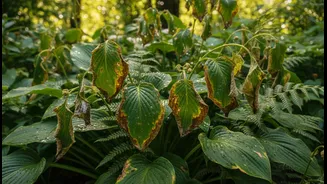
Timing is everything in gardening. A general rule for many plants in India is to perform a major pruning in the late winter or early spring (January-February) just before the main growth spurt. This prepares them to burst with new life. For many flowering shrubs like hibiscus, light pruning after a bloom cycle encourages the next wave of flowers. Bougainvillea, another balcony favorite, should be pruned right after its major flowering period ends. Avoid heavy pruning during the peak of summer's heat or during heavy monsoon rains, as this can stress the plants. Dead, diseased, or broken branches, however, should be removed as soon as you spot them, regardless of the season.
Your Essential Pruning Toolkit
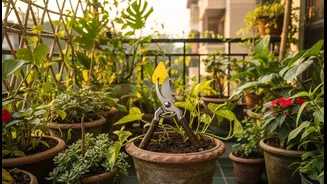
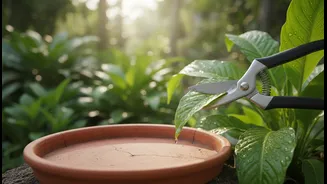
You don’t need a shed full of tools for a balcony garden. For most tasks, a single, good-quality pair of bypass pruners (also called secateurs) is essential. They work like scissors, with two sharp blades passing each other to make a clean cut, which is crucial for the health of living stems. Crushing stems with dull or improper tools can create ragged wounds that heal slowly and invite disease. For smaller, more delicate tasks like trimming herbs or deadheading flowers, a pair of small snips or sharp scissors will do. Always make sure your tools are clean. Wiping the blades with rubbing alcohol between plants can prevent the spread of any potential diseases.
A Simple Guide to Pruning Cuts
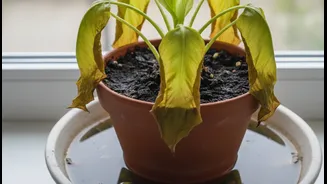
The act of pruning can be broken down into a few simple techniques. The most common is removing dead, damaged, or diseased wood. Another key technique is thinning, where you remove entire branches back to their point of origin to open up the plant and improve air circulation. Look for branches that are crossing or rubbing against each other. Heading back involves shortening branches to encourage bushier growth below the cut; this is great for creating a fuller-looking plant. When you do this, cut about a quarter-inch above a leaf node (the point where a leaf grows from the stem), preferably one that faces outward. This directs the new growth away from the center of the plant. A good rule of thumb is to not remove more than one-third of the plant's total mass in a single year to avoid causing excessive stress.
Pruning Pointers for Popular Balcony Plants
Different plants have different needs. For Hibiscus, prune lightly after flowers fade to encourage more blooms, and consider a harder prune in late winter to maintain shape and vigour. Bougainvillea blooms on new wood, so pruning after a flowering cycle is key to getting more of its colourful bracts. For household staples like Tulsi (Holy Basil), regularly pinching off the top sets of leaves not only gives you leaves for your tea but also encourages the plant to grow bushier and prevents it from flowering prematurely. Money Plants (Pothos) are incredibly forgiving; you can trim their vines to almost any length to control their size and encourage a fuller plant.