




The New Cosy Is Personal
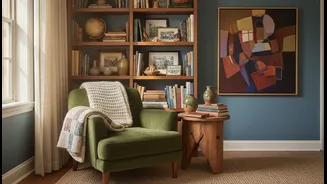
After years of sleek minimalism, the pendulum is swinging back towards interiors that feel warm, layered, and deeply personal. But this isn't a return to cluttered, stuffy rooms. Instead, the 'new cosy' is about creating a sanctuary that tells your unique
story. It prioritizes comfort and character over showroom perfection. This trend, sometimes called 'modern heritage' or 'warm minimalism,' blends clean, contemporary lines with pieces that have a soul and a history. The goal is a space that feels collected and authentic, reflecting who you are and where you've been. It’s a move away from rigid design rules and towards homes that are genuinely livable.
Accent vs. Costume: The Key Difference
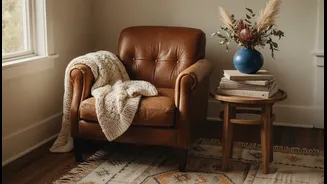
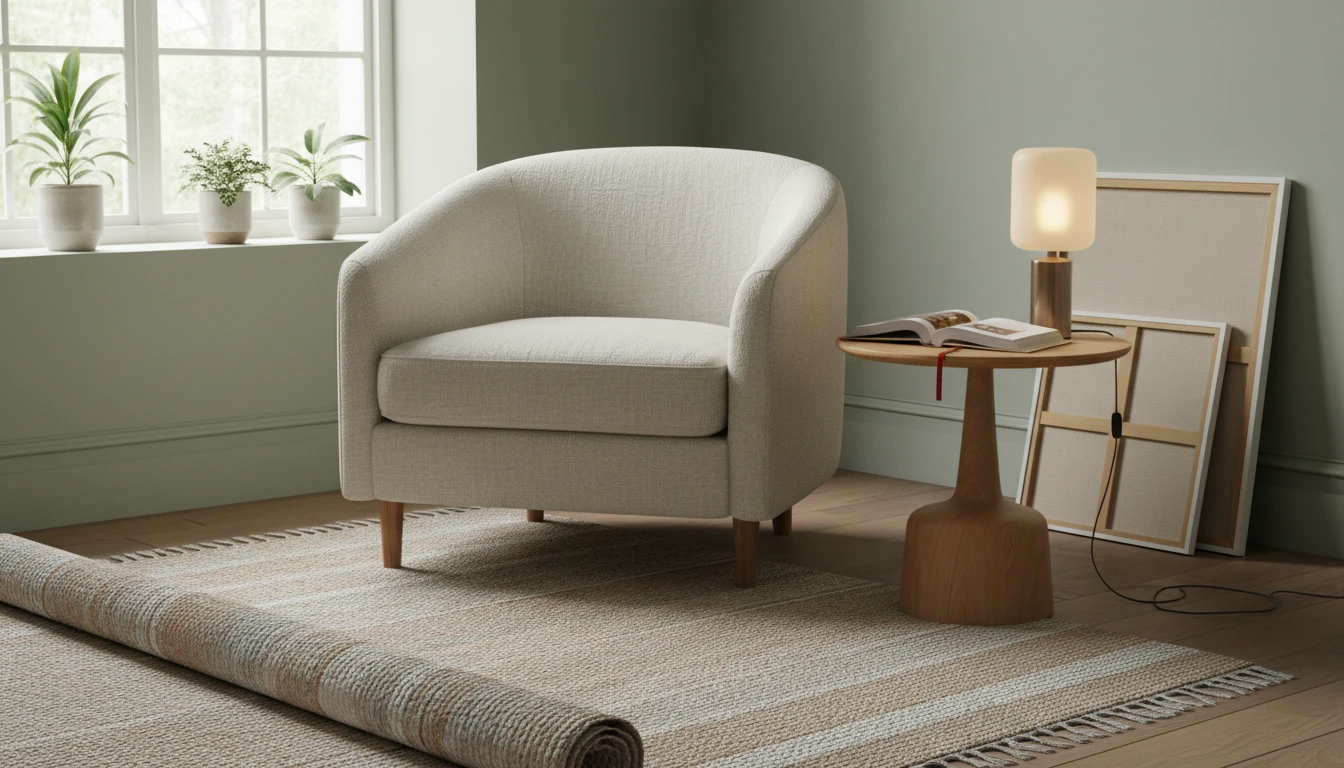
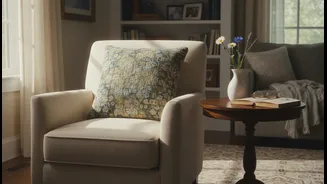
The headline's distinction between an 'accent' and a 'costume' is crucial. A home in a 'costume' is one that slavishly adheres to a single design era, like a 1970s conversation pit complete with shag carpeting and avocado-green appliances. While fun, this approach can feel like living in a museum or on a film set. The 'accent' approach is more flexible and personal. It’s about choosing a few specific, meaningful pieces from the past and integrating them into a modern setting. Think of it as a conversation between old and new. A single, ornate antique mirror hanging over a minimalist console table is an accent. An inherited armchair reupholstered in a modern fabric is an accent. These pieces add character without overwhelming the space.
Why We Crave the Past
This turn towards nostalgic decor is more than just an aesthetic choice; it’s an emotional one. In a fast-paced, often impersonal world, objects with a past offer a sense of grounding and comfort. A vintage piece, whether a family heirloom or a flea market find, has a story and a sense of permanence that mass-produced items often lack. This connection to personal history helps make a house feel like a home. This trend embraces items that feel inherited, lived-with, and loved, which is a direct reaction against the recent dominance of stark, impersonal minimalism. It’s about creating spaces that provide a dopamine boost from being surrounded by personal, comforting things.
How to Weave in Nostalgia Gracefully
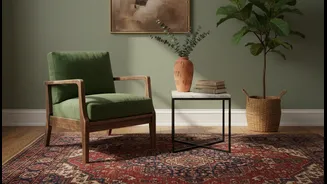
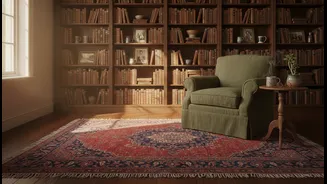
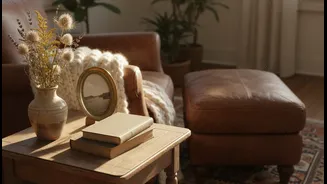
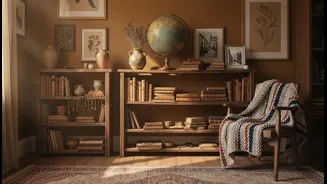
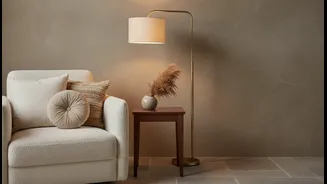
Incorporating nostalgic accents without making your home feel dated is an art of balance. Start small with accessories like vintage botanical prints, a classic clock, or a few antique books on a shelf. Lighting is another easy entry point; an Art Deco pendant or vintage sconces can instantly add character. When choosing furniture, let one or two vintage pieces be the star. For example, pair a weathered farmhouse dining table with sleek, modern chairs, or place a vintage dresser in a bedroom with a minimalist bed frame. The contrast between old and new is what creates visual interest. Use a cohesive color palette to tie the different styles together, pulling a hue from a vintage rug or piece of art and repeating it in modern textiles like pillows and throws.
Finding Your Accents
The most successful nostalgic accents are the ones that mean something to you. Start by looking at what you already own. That could be your grandmother's ceramic vase, your childhood collection of books, or even framed family letters. Displaying these items thoughtfully makes your space uniquely yours. If you're hunting for new pieces, explore local antique shops, flea markets, and online marketplaces. Look for items with interesting shapes, good craftsmanship, and a bit of patina that shows their age. Don't worry about everything matching perfectly. The beauty of this style lies in the eclectic mix of materials, eras, and personal stories that come together to create a warm, inviting, and truly cosy home.