
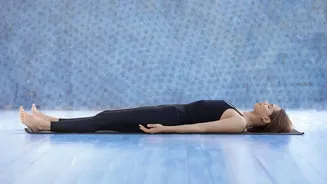
Long hours at a desk can lead to a stiff back, tight shoulders, and a stressed mind. Integrating small moments of movement and breath can counteract this. These yoga poses are simple, effective, and designed to be done right at your workplace.
Seated Cat-Cow for Spinal Awakening
This gentle
movement is perfect for waking up a stiff spine after long periods of sitting. It promotes flexibility, eases tension in the back and neck, and helps coordinate your breath with movement, which can be incredibly calming. Think of it as a reset button for your posture. How to do it: Sit at the edge of your chair with your feet flat on the floor and hands on your knees. On an inhale, arch your back, push your chest forward, and look slightly up toward the ceiling (Cow Pose). As you exhale, round your spine, tuck your chin to your chest, and gently pull your navel inward (Cat Pose). Flow between these two positions for five to ten breaths, letting your breath guide the pace. The movement helps stimulate circulation and can relieve stiffness.
Eagle Arms for Shoulder Release
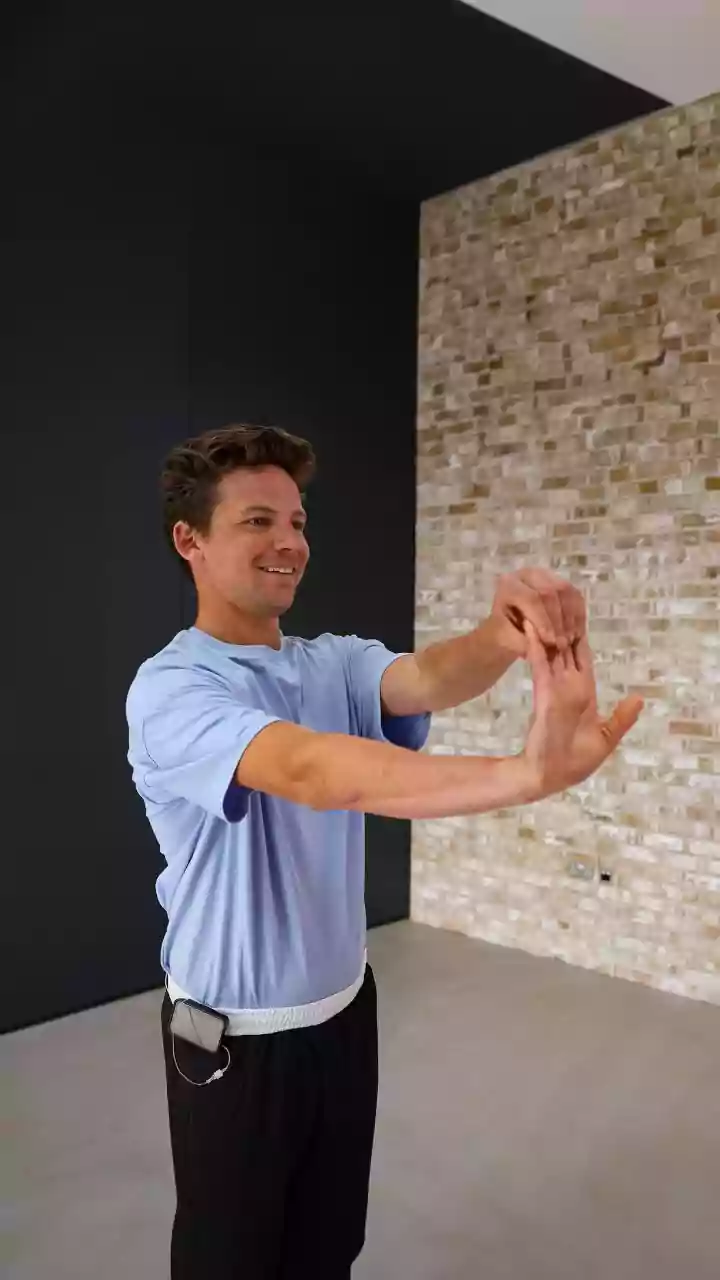
Hunching over a keyboard creates significant tension in the upper back and shoulders. Eagle Arms, or Garudasana arms, specifically targets this area, stretching the rhomboids and trapezius muscles between your shoulder blades. It’s a powerful way to counteract the 'tech neck' posture. How to do it: Extend your arms straight out in front of you. Cross your right arm over your left and bend your elbows. You can either bring the backs of your hands together or wrap your forearms until your palms touch. If this is too intense, simply give yourself a hug, placing your hands on your opposite shoulders. Lift your elbows to shoulder height and gently press your forearms away from your face to deepen the stretch across your upper back. Hold for five deep breaths, feeling the space created between your shoulder blades, then unwind and switch sides.
Seated Spinal Twist for a Midday Reset
A seated twist, known as Ardha Matsyendrasana in its full form, is excellent for improving spinal mobility and relieving lower back pain. Twisting poses are also thought to aid digestion and help detoxify the body by gently massaging the abdominal organs. It’s a great way to re-energize your spine during a long workday. How to do it: Sit tall in your chair with both feet on the floor. As you exhale, gently twist your torso to the right, placing your left hand on your right knee and your right hand on the back or side of the chair to deepen the stretch. With each inhale, try to lengthen your spine, and with each exhale, see if you can twist a little further without forcing it. Keep your gaze soft over your right shoulder. Hold for three to five breaths, then slowly return to center and repeat on the left side.
Neck Tilts and Rolls for Tension Headaches
Staring at a screen often leads to a stiff, sore neck. Simple, mindful neck movements can provide immediate relief, release tension that can lead to headaches, and restore range of motion. The key is to move slowly and avoid any sharp pain. How to do it: Sit tall with your shoulders relaxed down and away from your ears. Gently tilt your right ear toward your right shoulder, holding for about 15–30 seconds. You should feel a light stretch along the left side of your neck. Breathe deeply into the sensation. Slowly return your head to the center and repeat on the other side. Afterward, slowly drop your chin to your chest and make gentle half–circles, moving your chin from one shoulder to the other. Avoid rolling your head all the way back, as this can compress the neck.
Mindful Breathing to Calm Your Nervous System
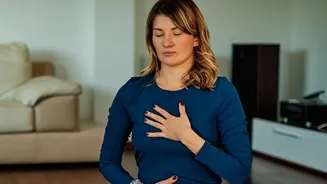
The foundation of yoga is the breath. When you're feeling stressed or overwhelmed, focusing on your breath can activate the body’s relaxation response. One simple technique is extending your exhale, which can help slow your heart rate and calm the nervous system. How to do it : Find a comfortable seated position . Close eyes if you can . Inhale slowly through nose for count of four . Then , exhale even more slowly through nose for count of six . Focus on sensation of breath moving in and out of body . Repeat this for $1–$2 minutes . This simple practice , known as pranayama , requires no physical movement but can drastically reduce feelings of anxiety and improve focus.