



The Trouble with Polished White Rice
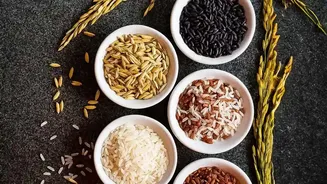
Polished white rice is a staple for a reason: it’s versatile and cooks quickly. However, the polishing process that gives it that pearly white appearance strips away its most nutritious layers—the bran and the germ. What’s left is primarily starchy endosperm.
This means it has very little dietary fiber, which is crucial for good digestion. A diet heavy in low-fiber foods like white rice can lead to digestive sluggishness and constipation. Furthermore, its high carbohydrate content and lack of fiber give it a high glycemic index, causing rapid spikes in blood sugar after a meal, which isn't ideal for sustained energy or for individuals managing blood sugar levels.
Meet the Millet Contenders: Foxtail and Sorghum
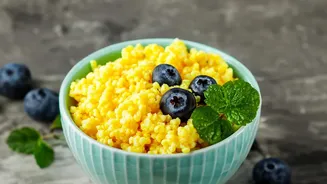
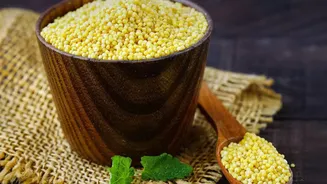
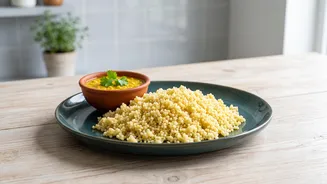
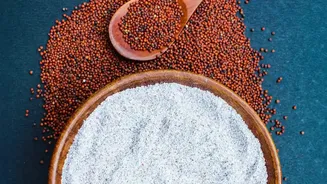
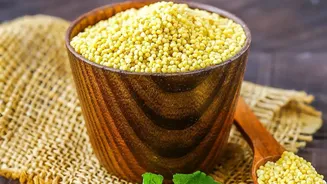
It’s time to reacquaint ourselves with two stars of the millet family: foxtail millet (known as Kangni or Thinai) and sorghum (Jowar). These ancient grains have been cultivated in India for centuries and were once a dietary cornerstone before rice and wheat became dominant. Unlike polished rice, these millets are typically consumed in their whole or minimally processed form, meaning they retain their nutrient-dense outer layers. Foxtail millet is a small, light-yellow grain with a mild, nutty flavour, while sorghum is a larger, rounder grain with a heartier texture. Both are naturally gluten-free and incredibly versatile in the kitchen.
The Nutritional Showdown: Why Millets Win
When you place these millets side-by-side with polished rice, the nutritional difference is stark. The most significant advantage is their fiber content. Unpolished millets can contain 30 to 50 times more fiber than polished white rice. This fiber acts as a prebiotic, feeding the beneficial bacteria in your gut and promoting a healthy microbiome. Millets also boast a superior protein profile. For instance, foxtail millet contains nearly double the protein of white rice, which is essential for muscle maintenance and overall satiety. Furthermore, these grains are packed with vital micronutrients like iron, calcium, and magnesium, which are largely absent in polished rice.
The Gut Health Transformation
The high fiber content in foxtail millet and sorghum is the main reason they are so beneficial for gut health. Dietary fiber adds bulk to stool, which helps prevent constipation and promotes regular bowel movements. More importantly, the soluble fiber in these grains ferments in the gut, producing short-chain fatty acids (SCFAs). These compounds are the primary fuel source for the cells lining your colon, helping to reduce inflammation, strengthen the gut barrier, and support a healthy immune system. A thriving gut microbiome, nurtured by a fiber-rich diet, is linked to better overall health, from improved digestion to enhanced mood and immunity.
Beyond the Gut: More Reasons to Make the Swap
The benefits of switching to millets extend well beyond digestion. Their low glycemic index (GI) means they release sugar into the bloodstream slowly and steadily. This prevents the energy crashes associated with high-GI foods like white rice and is particularly beneficial for managing blood sugar levels and reducing the risk of type 2 diabetes. The combination of high fiber and protein also increases satiety, meaning you feel fuller for longer after a meal. This can aid in weight management by reducing overall calorie intake without leaving you feeling hungry.
How to Easily Incorporate Millets into Your Diet
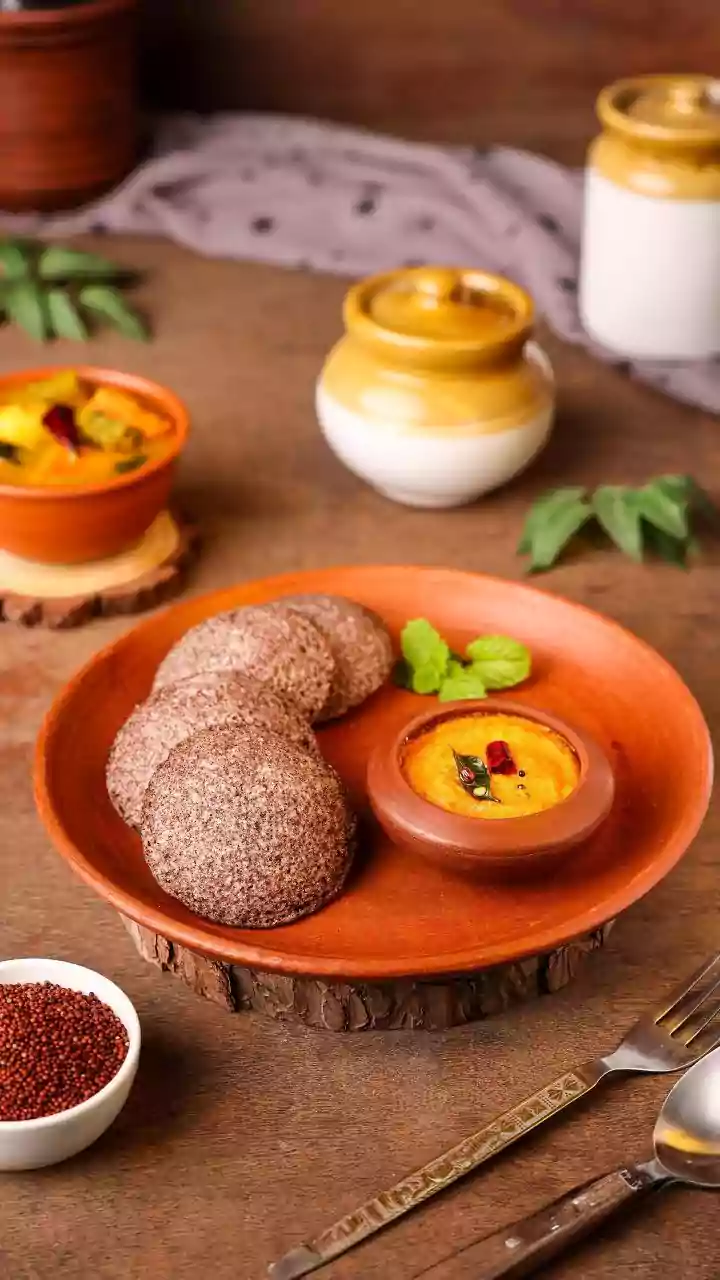
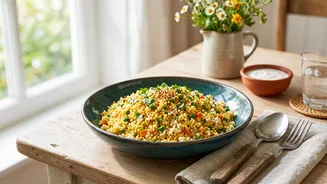
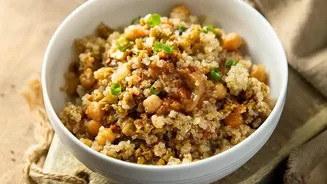
Making the switch from rice to millets is simpler than you might think. You can cook foxtail millet and sorghum much like rice, though they may require a slightly different water-to-grain ratio and soaking beforehand can improve their texture. Start by substituting one of your rice-based meals with a millet alternative. Try making a flavorful millet pilaf with vegetables, a comforting curd-millet instead of curd-rice, or simply serve steamed millet as a side with your favourite dal or curry. Their ability to absorb flavours makes them a perfect substitute in dishes like khichdi, upma, and even biryani.