




A National Shift to the Open Road
A fundamental shift is underway in how Indians travel. An increasing number of people are ditching airports and train stations for the freedom of the open road, especially for short breaks and weekend trips. Recent travel data paints a clear picture:
while major metro-to-metro routes remain popular, the fastest-growing corridors are those connecting big cities to smaller, regional destinations. According to a 2026 travel index from Uber, routes like Delhi-Dehradun, Bengaluru-Mysuru, and Chennai-Puducherry are seeing a major uptick in road travel. This trend isn't just about established tourist spots; it's about unlocking the potential of Tier-2 and Tier-3 cities. Self-drive rental services report a surge in bookings from cities like Jaipur, Indore, and Siliguri, driven largely by younger travellers and families seeking flexible, experience-rich getaways. This move towards 'drive-cations' reflects a broader change where the journey itself is becoming as important as the destination.
The Expressway Revolution
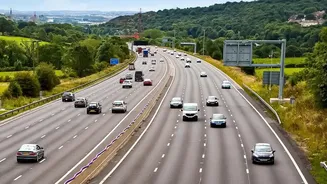
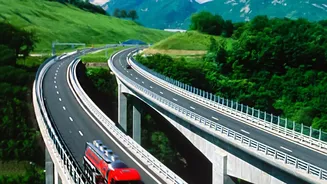
At the heart of this transformation is India’s rapidly expanding network of world-class highways. Ambitious national projects like the Bharatmala Pariyojana are creating a web of economic corridors, expressways, and feeder routes designed to slash travel times and improve safety. The impact is dramatic. The recently opened Delhi-Dehradun Expressway, for example, has cut the journey from a gruelling six-hour drive to a mere 2.5 hours, making the Himalayan foothills an easy weekend destination for Delhiites. Similarly, the landmark Delhi-Mumbai Expressway is set to reduce the travel time between India's political and financial capitals to just 12 hours. These aren't just roads; they are economic arteries that make previously distant locations accessible for a quick escape. By offering a smoother, faster, and more reliable driving experience, this new infrastructure is single-handedly making the car a more viable and attractive alternative to flights for journeys under 1000 kilometres.
Flexibility, Freedom, and Family Budgets
The appeal of a road trip goes far beyond speed. For many, it’s about the freedom to travel on their own terms. Unlike the rigid schedules of air travel, a car journey allows for spontaneity—the unplanned stop at a roadside dhaba, a detour to a hidden fort, or simply soaking in the changing landscapes. This flexibility is a huge draw for modern travellers who are increasingly seeking unique, anti-itinerary experiences over packaged tours. Cost is another significant factor. For a family of four, the price of airline tickets for a weekend trip can quickly add up. In contrast, the cost of fuel and tolls for a road trip is often significantly lower, leaving more room in the budget for better accommodation or local experiences. Furthermore, the growing trend of remote work and 'workations' fits perfectly with the road trip model, allowing professionals to blend leisure and work from a scenic, driveable location.
Fuelling Local Economies
This boom in road travel is providing a significant economic boost to regions that were once considered off the beaten path. As travellers venture beyond the major tourist circuits, they bring revenue to small-town hotels, local restaurants, and artisanal shops. The improved connectivity allows destinations to attract a wider range of visitors, from weekenders and pilgrims to adventure seekers. Heritage sites in Rajasthan, spiritual centres like Rishikesh, and coastal towns along the Konkan coast are all benefiting from the influx of road travellers. This decentralisation of tourism helps create jobs and stimulates development in areas that were previously overlooked. The rise of road trips is not just changing how people travel; it's fostering a more distributed and sustainable tourism model that spreads economic benefits across a much wider geography.