









The Sweet Promise of Zero Calories
Non-caloric or non-nutritive sweeteners (NNS) are substances that provide a sweet taste with few to no calories. They are popular sugar substitutes because, in theory, they pass through our digestive system without being broken down for energy. Common
examples you might see on labels include synthetic options like aspartame, sucralose, and saccharin, as well as plant-derived ones like stevia. For decades, they have been seen as a simple swap to help people reduce sugar intake, manage weight, and control blood sugar. However, a growing body of research suggests their interaction with our bodies isn't quite so simple, and the idea that they are 'metabolically inert' is now being challenged by scientists.
The Gut Microbiome Connection
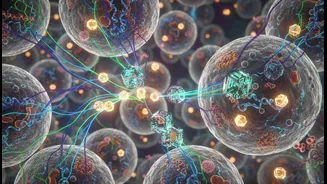
One of the most significant areas of research is how these sweeteners affect the trillions of microbes living in our gut. Once thought to be unaffected, we now know sweeteners come into direct contact with these bacteria. Some studies suggest sweeteners like saccharin and sucralose can disrupt the balance of the gut microbiome, a condition known as dysbiosis. This imbalance can involve a reduction in beneficial bacteria and an increase in potentially harmful ones. A healthy gut microbiome is crucial for everything from digestion to immune function and, importantly, regulating our metabolism. An altered microbiome has been linked to impaired glucose tolerance and inflammation, which are risk factors for metabolic conditions.
A Mixed Picture on Insulin and Blood Sugar
A key question is whether non-caloric sweeteners affect blood sugar and insulin levels. In the short term, they don't cause the same blood sugar spike as regular sugar. However, the long-term picture is murkier. Some recent analyses of clinical trials have found that compared to placebos like water, sweeteners may raise fasting insulin levels and markers of long-term blood sugar control over time. Researchers theorize that sweeteners might interfere with the body's learned responses. Essentially, the sweet taste prepares your body for a sugar rush that never arrives, which could, over time, disrupt the normal hormonal response, including insulin signaling. The science here is still evolving, with some human trials showing no significant effects while others raise concerns.
The World Health Organization's View
In 2023, the World Health Organization (WHO) made headlines by releasing a guideline that recommends against the use of non-sugar sweeteners for achieving weight control or reducing the risk of noncommunicable diseases. This recommendation was based on a systematic review of available evidence, which suggested that long-term use does not lead to a reduction in body fat and may even be associated with potential undesirable effects, such as an increased risk of type 2 diabetes and cardiovascular diseases. The WHO clarified that this was a conditional recommendation, meaning the evidence isn't yet definitive, and it does not apply to individuals with pre-existing diabetes. The agency's broader message was to encourage people to reduce the overall sweetness of their diet from a young age rather than simply swapping sugar for substitutes.
So, What's the Practical Takeaway?
Experts agree that replacing a high-sugar diet with one high in artificial sweeteners isn't a silver bullet for health. While regulatory bodies in the UK and US still consider approved sweeteners safe for consumption within acceptable daily limits, the focus is shifting. The emerging science suggests we should view them with a degree of caution. They might be a useful short-term tool for someone trying to wean themselves off sugary drinks, but they are not a long-term solution or a 'health food'. The consensus is moving toward a more holistic approach: prioritize whole foods, reduce reliance on intensely sweet tastes altogether, and use sweeteners sparingly rather than as a staple in your daily diet.