
Why You Might Need to Prune Roots
Root pruning isn't an everyday task, but it’s a crucial skill for two main reasons: managing root rot and dealing with a root-bound plant. Root rot is a common and serious issue caused by overwatering, which suffocates roots and allows fungal pathogens
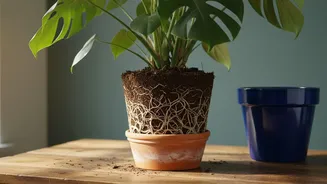
to thrive. Trimming away the affected parts can stop the decay from spreading and save the plant. The second reason is to manage a 'root-bound' plant, where the roots have completely filled the pot and started to circle, restricting growth. While you could move it to a larger pot, this encourages the plant to get bigger. If you want to maintain its current size, root pruning is the solution.
Identifying Healthy vs. Unhealthy Roots
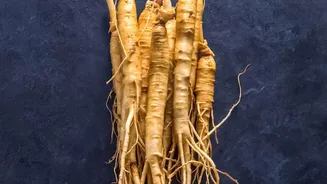
Before you pick up the shears, you need to know what you’re looking at. Gently slide the plant out of its pot to inspect the root ball. Healthy roots are typically firm and white, tan, or light yellow. Unhealthy roots, often suffering from rot, will look and feel very different. They are usually brown or black, feel soft, mushy, or slimy to the touch, and may fall apart easily. In advanced cases of decay, you might also notice a distinct sour or unpleasant odor coming from the soil.
The Right Way to Trim Damaged Roots
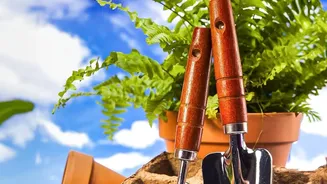
Once you've identified the problem areas, it's time for careful surgery. Using a clean, sterilized pair of scissors or pruning shears, methodically cut away any roots that are dark, mushy, or obviously dead. Be thorough; leaving even a small amount of rotted tissue behind can allow the infection to return. After trimming, some experts recommend rinsing the remaining healthy roots under lukewarm water to wash away lingering soil and fungal spores. Focus on removing only the compromised parts. Healthy, firm roots are the plant's lifeline for absorbing water and nutrients, and cutting them unnecessarily will only cause stress and shock.
Pruning a Root-Bound Plant
If your goal is to control the size of a healthy but root-bound plant, the approach is different. Instead of selective trimming, you'll perform a more general prune. After removing the plant from its pot, you can slice off about an inch from the bottom and sides of the root ball with a clean, sharp knife. It’s also helpful to make a few shallow vertical cuts into the sides of the root mass to encourage new roots to grow outward rather than continuing to circle. A crucial rule of thumb is to never remove more than one-third of the plant’s healthy root system at once, as this can severely stress or kill the plant.
Aftercare Is Key to Recovery
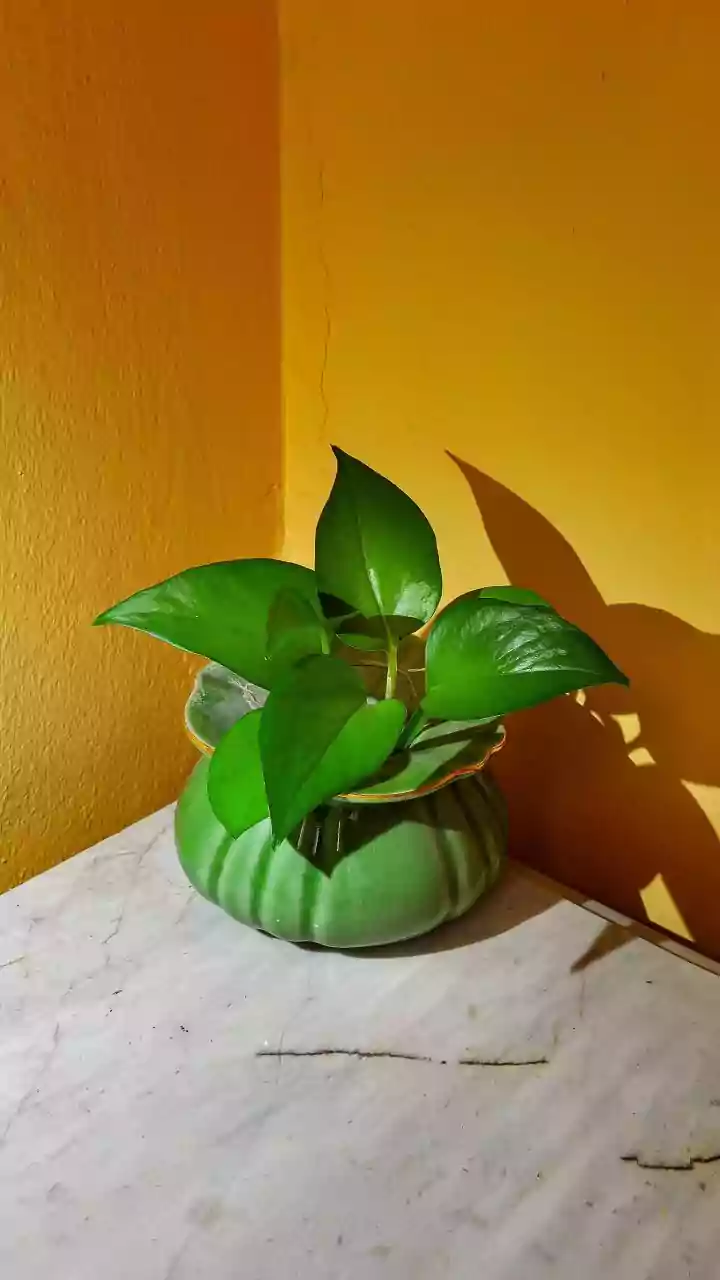
After any root trimming, the plant is in a vulnerable state and needs proper care to recover. Always repot it in fresh, well-draining potting mix; never reuse the old soil, which can harbor pathogens. If you're using the same pot, be sure to disinfect it first. After repotting, wait a few days before watering to allow the cut roots to callous over and heal. When you do water, do so sparingly until you see signs of new growth. Place the plant in a spot with bright, indirect light, as direct sun can add more stress. Be patient, as it can take several weeks or even months for a plant to fully recover from significant root work.