


Understanding a Butterfly's Needs
Before you start, it helps to know what butterflies look for. They need two main types of plants. The first are nectar plants, which are the colourful, flowering plants that provide food for adult butterflies. The second, and just as crucial, are host
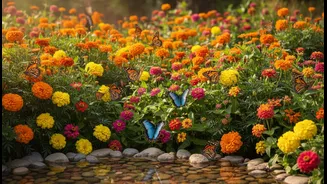
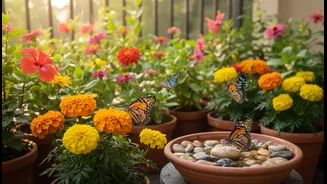
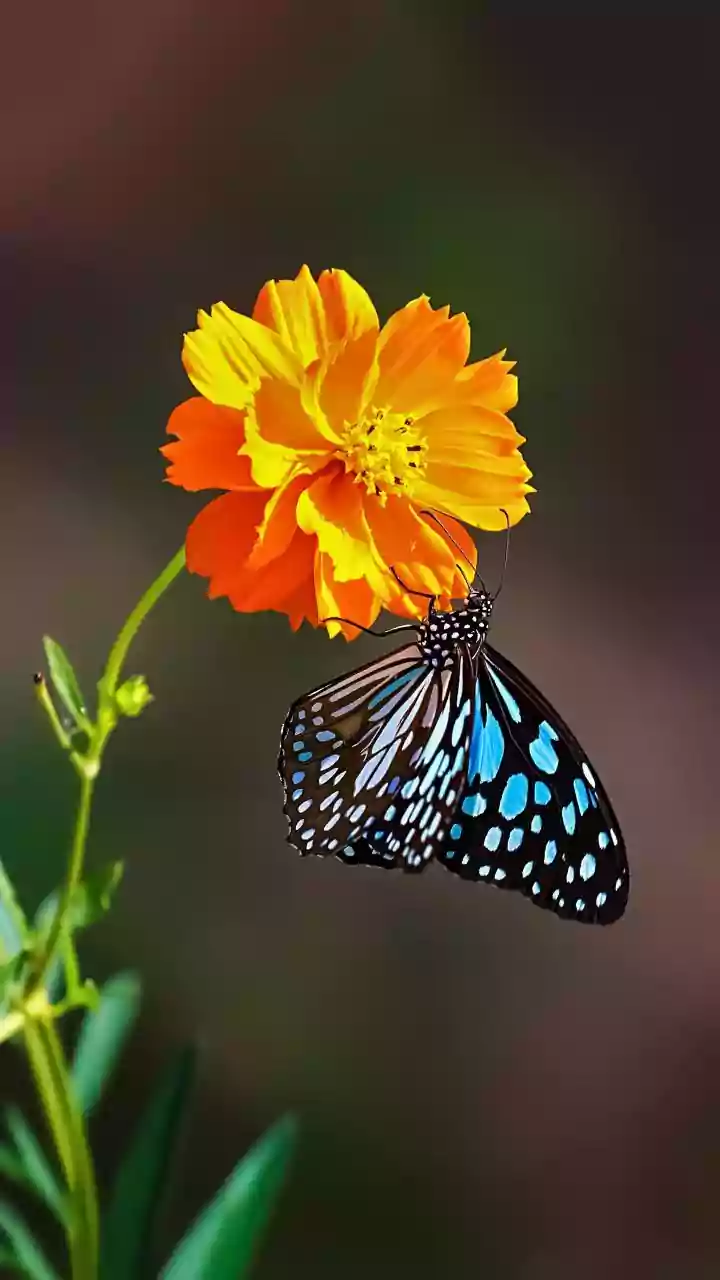
plants. These are specific plants where butterflies lay their eggs, and which their caterpillars will eat. A true butterfly garden offers both, creating a complete lifecycle sanctuary. You also need to provide a sunny spot, as butterflies are cold-blooded and need sunlight to warm their wings for flight. A shallow dish of water with some pebbles or sand can give them a safe place to drink.
Choosing the Right Nectar Plants
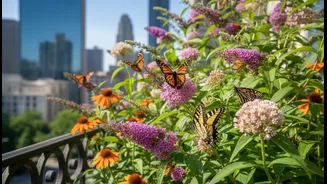
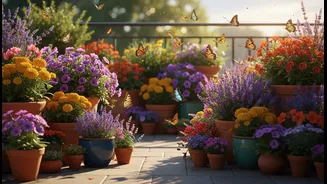
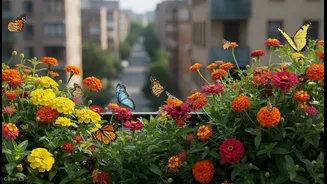
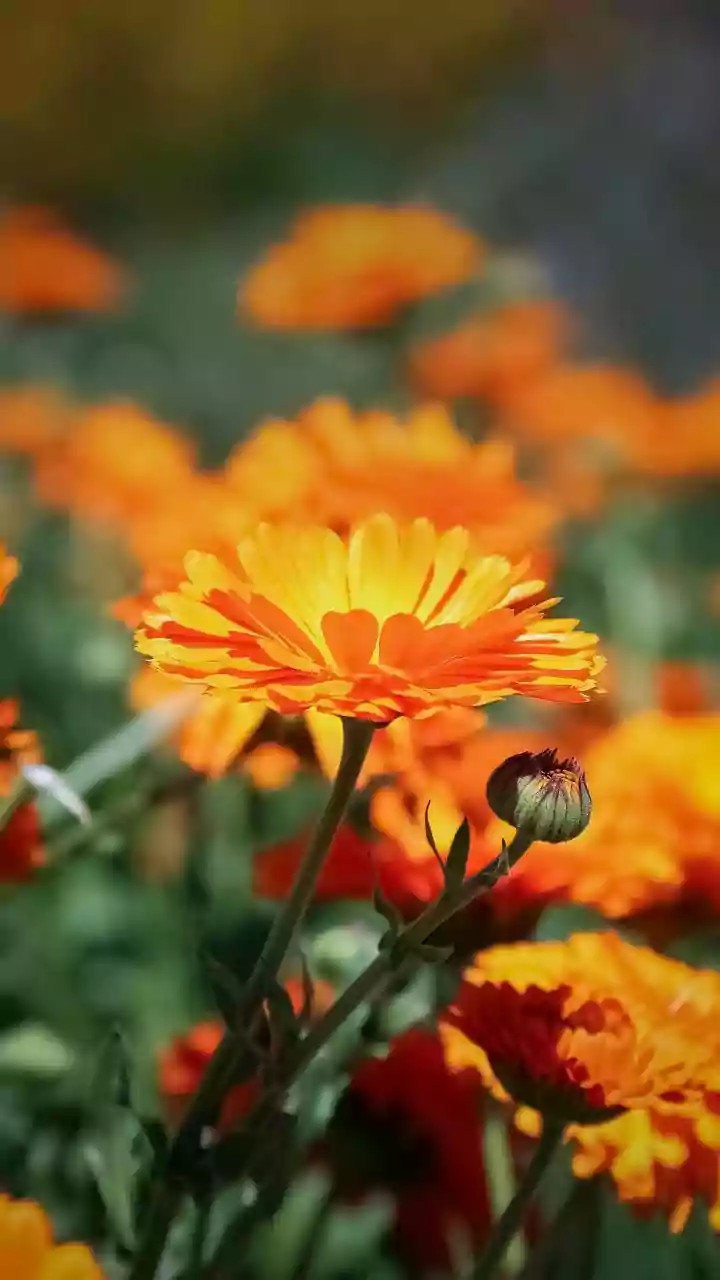
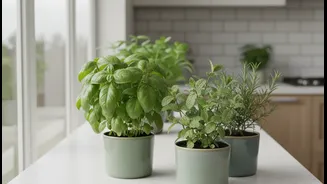
For a balcony, you want plants that are happy in containers and love the sun. Many flowers that attract butterflies are perfect for Indian climates. Brightly coloured blooms like Marigold (Genda), with their cheerful yellow and orange flowers, are a fantastic and easy choice. Lantana is another hardy, low-maintenance option that produces clusters of colourful flowers and blooms for long periods. Pentas, Ixora, and Zinnia are also excellent choices, known to attract a wide variety of butterfly species with their nectar-rich flowers. Even common household plants like Tulsi (Holy Basil) and Hibiscus are butterfly magnets, offering steady blooms and perfect landing spots for larger butterflies.
Don't Forget the Host Plants
While nectar plants attract visiting butterflies, host plants convince them to stay and raise a family. This is where you might see caterpillars, which is a sign of a truly successful butterfly garden. For Indian balconies, some great host plants are surprisingly common. The Curry Leaf plant (Kadi Patta) is a host for the beautiful Common Mormon butterfly. Citrus plants, like a lemon or lime tree in a pot, host the Lime Butterfly. Milkweed (Asclepias) is famously the only host plant for Monarch butterflies and is a must-have if you want to support them. Growing these ensures you are supporting the entire butterfly life cycle.
Setting Up Your Balcony Garden
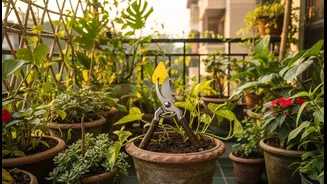
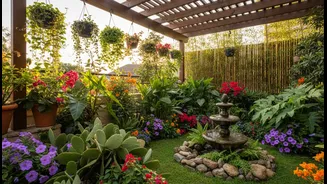
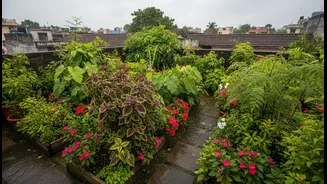
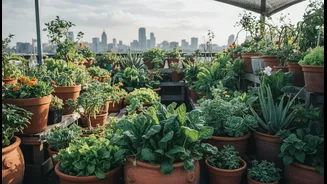
You don’t need a lot of space, but a little planning goes a long way. Use a mix of container sizes. Larger pots hold moisture better and give roots more room to grow. Ensure every pot has drainage holes to prevent waterlogging, which can lead to root rot. Use a good quality, lightweight potting mix rather than heavy garden soil. Think vertically to maximize your space—use railings for window boxes, install trellises for climbers like the Butterfly Pea flower, and use shelves for smaller pots. Grouping plants with similar sunlight and water needs will make maintenance easier.
Keeping it Natural and Safe
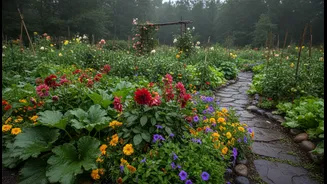
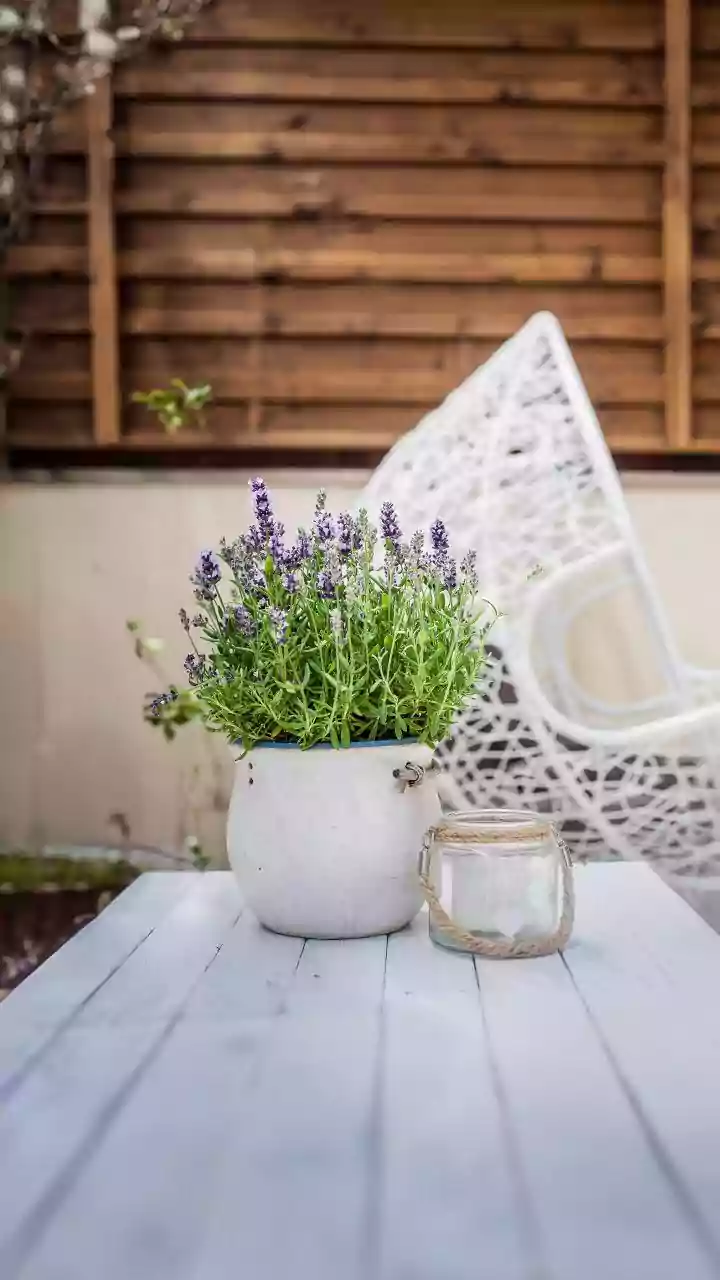
The key to supporting butterflies “naturally” is to avoid chemical pesticides and herbicides at all costs. These can be lethal to caterpillars, eggs, and adult butterflies. Instead, manage pests with natural solutions. A simple spray of mild soap and water can tackle pests like aphids. Planting pest-repelling companion plants like marigolds, basil, and lavender can also help protect your garden. Marigolds are particularly effective at keeping away nematodes and other pests. Healthy soil and proper watering will also make your plants more resilient to pests and diseases.