



The Urban Space Dilemma
For anyone living in a modern apartment, space is the ultimate luxury, especially in the kitchen. Countertops are cluttered with appliances, and floor space is non-existent. For years, this has posed a problem for aspiring green thumbs. The traditional
round terracotta pot, while charming, is notoriously inefficient. Its bulky, circular shape wastes precious corner space and doesn't sit flush against walls, making it impractical for narrow windowsills or crowded countertops. This spatial challenge has left many city dwellers believing that a fresh kitchen herb garden is an unattainable dream.
Rethinking the Classic Shape
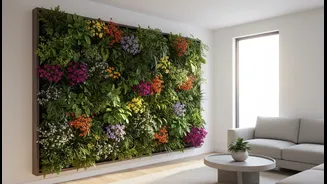
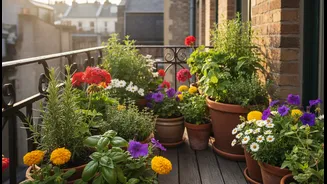
Designers and manufacturers have responded to this challenge with a wave of innovation, fundamentally rethinking the pot's form while preserving its essence. The most significant change is the move away from exclusively round shapes. New designs feature space-saving rectangular and square profiles that can be lined up neatly on a windowsill with no wasted gaps. Corner planters are designed to fit snugly into often-overlooked nooks. Beyond just shape, verticality has become a key theme. Stackable planters, which allow you to build a tiered herb tower, are now widely available, transforming a small footprint into a multi-plant garden. Wall-mounted and over-the-rail planters further free up counter space, turning a blank wall into a living, green display. These modular and vertical designs are a direct answer to the constraints of urban kitchens.
A Fresh Aesthetic for Modern Homes
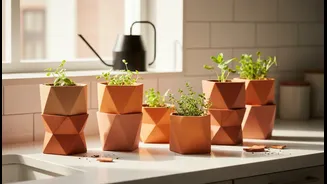
This evolution isn't just about practicality; it's also about aesthetics. While the classic rustic pot has its appeal, its look can sometimes clash with sleek, contemporary kitchen designs. The new generation of terracotta embraces modern minimalism. Planters now come in a variety of styles, from clean, unadorned shapes to pots with subtle geometric patterns or a smooth, refined finish. Some are even available in different colours, like white-washed or graphite clay finishes, to better complement modern interior palettes. These redesigned pots add a touch of natural texture and earthy warmth that can soften a minimalist kitchen without disrupting its clean lines. The result is a product that feels both timeless and perfectly suited to the contemporary home.
Designed for the Modern Cook
The redesigns also incorporate features that cater specifically to the needs of a kitchen herb garden. Many modern terracotta planters now come with integrated or matching saucers to catch excess water, protecting countertops from stains. Some even feature self-watering mechanisms, perfect for busy individuals who may forget to water their plants regularly. The inherent properties of terracotta make it ideal for herbs like basil, rosemary, and mint. Its porous nature allows air and moisture to pass through the pot, which helps prevent root rot and creates a healthy environment for roots to thrive. This breathability, combined with designs tailored for easy watering and maintenance, makes it easier than ever to have fresh herbs right at your fingertips while you cook.
Still Classic at Heart
Despite all these changes, the fundamental appeal of terracotta remains. It is a natural, eco-friendly material that ages beautifully, developing a unique patina over time. The material is renowned for its durability and its ability to help regulate soil temperature, protecting plant roots from extreme heat or cold. What these new designs achieve so successfully is the preservation of these core benefits while adapting the form for a new context. They demonstrate that tradition doesn't have to be static. By embracing thoughtful design, even the most classic of items can be reinvented to meet the demands of modern life, ensuring the beloved terracotta pot remains a staple for a new generation of urban gardeners.