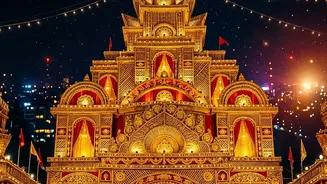








Every year, the ancient city of Ayodhya transforms into a celestial kingdom for Deepotsav, commemorating Lord Ram's return from exile. For travellers, this is more than a festival; it's a breathtaking spectacle that requires planning.
The Spectacle of a Million Lights
The heart of Deepotsav
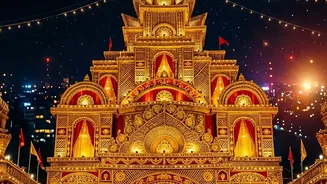
is the breathtaking display of millions of earthen lamps, or 'diyas', along the ghats of the Saryu River, especially at Ram Ki Paidi. This grand event, which commemorates Lord Ram’s return to Ayodhya, has grown in scale each year, consistently setting new Guinness World Records for the largest display of oil lamps. Thousands of volunteers meticulously arrange the lamps, and at dusk, they are lit in a coordinated effort, creating a river of light that reflects mesmerisingly on the water. For any visitor, witnessing this massive, unified glow is the central, unmissable experience of the festival.
Key Dates and Main Events for 2026
Deepotsav is celebrated on Chhoti Diwali, the day before the main Diwali festival. In 2026, the main lamp-lighting event is expected to occur on the evening of Saturday, November 7, with Diwali falling on Sunday, November 8. However, the festivities often span several days, from November 5 to 8, including cultural programmes, processions, and other events. Beyond the diyas, visitors can expect a Ramayana-themed 'Shobha Yatra' (procession), a symbolic re-enactment of Lord Ram's return, a grand Saryu Maha Aarti, and spectacular laser and drone shows over the river.
Planning Your Ayodhya Visit
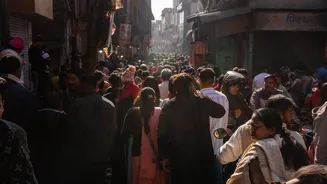
Attending Deepotsav requires careful planning due to the immense crowds. It is crucial to book travel and accommodation several months in advance. Ayodhya is accessible via the Maharishi Valmiki International Airport (AYJ) or by train to Ayodhya Dham Junction and Ayodhya Cantt stations. During the festival, expect significant traffic restrictions, with many areas near the ghats and temples becoming pedestrian-only zones. Relying on local e-rickshaws and being prepared to walk considerable distances is essential. Arriving at viewing spots by mid-afternoon on the main day is recommended as the best locations fill up quickly.
Where to Stay and What to Expect
Accommodation demand soars during Deepotsav, so booking well in advance is non-negotiable. Hotels and guesthouses near Naya Ghat and Hanuman Garhi are popular for their proximity to the main events but fill up fastest. Staying slightly further from the core area can offer easier access. For last minute plans, looking for accommodation in nearby cities like Lucknow might be a viable alternative. Be prepared for high footfall at all major sites and potential mobile network congestion in crowded areas. Planning for a stay of at least two to three days will allow you to soak in the atmosphere without rushing.
Beyond the Ghats: Other Must-Visit Sites
While Deepotsav is the main draw, your trip is an opportunity to explore Ayodhya's other sacred sites. A visit to the Shri Ram Janmabhoomi Temple is paramount for most visitors. To manage the festive rush, plan your temple visit for the early morning. Tradition suggests visiting Hanuman Garhi, a temple dedicated to Lord Hanuman, before proceeding to the Ram temple; it also offers panoramic views of the illuminated city. Other significant sites include Kanak Bhawan, believed to be a palace gifted to Goddess Sita, and the ancient Nageshwarnath Temple.