




What is a Community Tool Library?
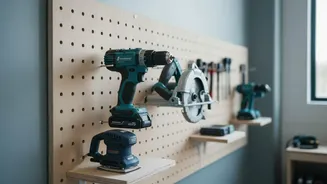
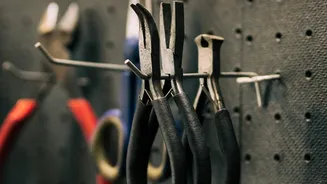
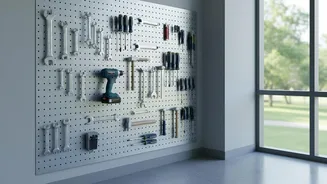
Think of it like a regular library, but instead of borrowing books, residents can borrow tools and equipment. From ladders and power drills to lawnmowers and even less-common items like high-pressure washers or electronic repair kits, a tool library offers
shared access to items many people need but few use regularly. This simple concept is part of a larger global movement towards a 'sharing economy,' where access is valued over ownership. In the context of an urban Indian housing society, it provides a practical solution to the challenges of limited storage space and the high cost of single-use items.
The Triple Benefit: Save Money, Space, and the Planet
The most immediate benefit for residents is financial. Instead of spending thousands on a tool for a one-off job, members can borrow it for a fraction of the cost or even for free through a small annual membership fee. This democratises access to high-quality equipment that might otherwise be unaffordable. Secondly, it's a direct solution to household clutter. By eliminating the need to buy and store bulky items, families can free up valuable space in their apartments. Finally, the environmental impact is significant. Sharing tools reduces overall consumption, meaning fewer resources are extracted and less waste is generated from manufacturing and packaging. It encourages a shift from a culture of individual buying to one of collective use.
Tackling the Growing E-Waste Mountain
Beyond traditional tools, these libraries are becoming crucial in managing electronic waste. India is one of the world's largest producers of e-waste, and a significant portion of it is stored in homes simply because people don't know how to dispose of it properly. A community library can address this by stocking shared electronics like projectors or speakers, reducing the number of devices purchased. More importantly, they can house electronic repair toolkits and host 'Repair Cafe' style events. These workshops empower residents to fix their own devices instead of discarding them, extending the life of electronics and preventing them from ending up in landfills where they can leach harmful substances.
More Than Tools: Forging Stronger Communities
The benefits extend beyond the practical. A shared tool library naturally becomes a community hub. Neighbours interact as they borrow and return items, sharing tips and advice on DIY projects. This fosters a sense of collaboration and mutual support that is often missing in modern urban life. Organising the library, taking inventory, and managing check-outs become shared responsibilities that strengthen community bonds. These spaces can also host skill-building workshops, from basic carpentry to complex electronic repairs, turning neighbours into teachers and learners and cultivating a culture of self-reliance and collective problem-solving.
How to Start a Tool Library in Your Society
Starting a tool library is more achievable than it sounds. The first step is to talk to neighbours and form a small, dedicated committee. Conduct a survey to gauge interest and identify which tools are most in demand. You can start small, with residents donating gently used tools they are willing to lend. Create a simple inventory and check-out system, perhaps using a shared spreadsheet or a dedicated app. It's crucial to establish clear rules for borrowing, including loan periods and guidelines for returning tools in good condition. The society might allocate a small, secure space like a storeroom to house the collection, ensuring everything is organised and safely stored.