




The Hidden World Inside a Damp Shoe
When you slide a still-damp insole back into a shoe, you create a dark, warm, and moist environment. This is the perfect breeding ground for bacteria, mould, and fungi. These microorganisms are not just a hypothetical problem; they are the primary cause
of persistent, unpleasant shoe odour that no amount of spray can truly conquer. Over time, this microbial growth can degrade the materials of your shoes and create an unhygienic environment for your feet. Studies have shown that shoes can harbor a startling amount of bacteria, including E. coli and Staphylococcus, and trapping moisture only encourages their growth.
Why Separating Is Non-Negotiable
The main reason to dry insoles and shoes separately is to ensure complete air circulation. Most factory insoles are made of foam, cloth, or other absorbent materials. When left inside the shoe, the insole and the shoe's footbed press against each other, trapping moisture between the layers. Removing the insole allows both surfaces to be fully exposed to the air, drastically speeding up the drying process. Simply loosening the laces and pulling the tongue forward isn’t enough if the damp insole remains inside, as it acts like a damp sponge, preventing the shoe's interior from ever drying completely. This simple act of separation is the single most effective step you can take.
The Right Way to Dry Shoes and Insoles
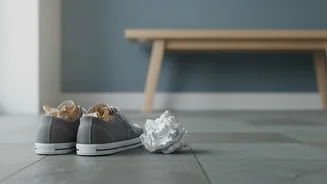
Proper drying is gentle and patient. First, remove the insoles and loosen or remove the laces. Gently blot any excess water from the outside of the shoe. For the inside, stuff the shoes loosely with crumpled newspaper or paper towels, which are highly absorbent. Replace the paper every few hours if the shoes are heavily saturated. Place both the shoes and insoles in a dry, well-ventilated area away from direct sunlight. Propping the shoes up against a wall or using a fan can improve airflow and reduce drying time. A crucial point is to avoid direct, high heat. Radiators, hair dryers, and clothes dryers can damage the adhesives used in shoe construction, causing them to warp, shrink, or delaminate.
How Long Is 'Fully Dry'?
There is no exact time frame, as it depends on the shoe's material, the ambient humidity, and how wet they were to begin with. Drying could take anywhere from eight hours to a couple of days. The key is not to rely on a timer, but on touch. The shoe's interior and the entire insole—especially the thicker heel and arch areas—should feel completely dry with no hint of coolness or dampness. Press your fingers into the foam; if you feel any moisture, they need more time. Reinserting them when they are 90% dry is not good enough, as that remaining 10% of moisture is all bacteria needs to flourish.
Long-Term Benefits of a Simple Habit
Taking the extra time to dry your shoes properly is an investment in their longevity and your own comfort. Well-cared-for shoes last longer, saving you money. Preventing microbial growth means your shoes won't develop stubborn odours, and you'll reduce your risk of common foot problems like athlete's foot, which thrives in damp conditions. By getting into the habit of always removing your insoles after they get wet, you ensure your footwear remains a healthy and comfortable home for your feet, rather than a petri dish for bacteria and mould.