



Cosmic Visitors from Halley's Comet
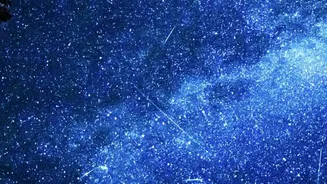
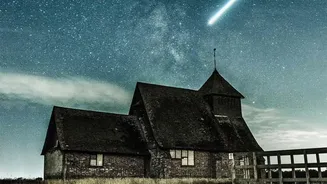
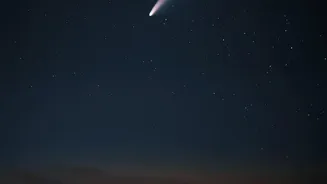
The Orionid meteor shower is one of the year's most reliable celestial events, active from early October to early November. These shooting stars are not stars at all; they are tiny, fast-moving pieces of cosmic dust left behind by the famous Halley's
Comet. Every October, Earth passes through this ancient trail of debris, and when the particles hit our atmosphere, they burn up, creating brilliant streaks of light across the night sky. They are named the Orionids because the meteors appear to radiate from a point within the constellation Orion, the Hunter.
Mark Your Calendar for the Peak
For the best show in 2026, you’ll want to look up during the peak of the shower. This occurs on the night of October 21-22, especially in the pre-dawn hours. While you might see a stray meteor on nights before or after, the density will be highest at the peak. Under ideal dark sky conditions, viewers might see 15 to 25 meteors per hour. The moon will be about 80% full, which can interfere, but it sets a few hours before dawn, opening a prime viewing window between moonset and sunrise.
Location, Location, Light Pollution
The biggest challenge for any urban astronomer is light pollution. The glow from streetlights, buildings, and traffic can wash out all but the brightest stars. But don't lose hope. Your goal is to find the darkest spot available to you. This could be a local park, a quiet residential street with fewer lamps, a high-rise rooftop, or even the outskirts of your city. The key is to get away from direct sources of light. Even finding a spot where a building or a line of trees blocks the worst of the city's glow can make a significant difference.
The Art of Seeing in the Dark
The most crucial tool you have is your own eyesight, but it needs time to adapt. Once you've found your spot, put your phone away and allow your eyes at least 20 to 30 minutes to adjust to the darkness. That bright screen will ruin your night vision in an instant. Be patient. At first, you might not see much, but as your pupils dilate, the fainter stars—and meteors—will begin to appear. This period of quiet waiting is part of the experience, allowing you to settle in and truly observe the sky.
How to Find Orion the Hunter
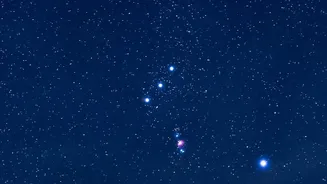
You don’t need to stare directly at the constellation Orion, but it’s a helpful landmark. Orion is one of the most recognizable constellations, visible worldwide in autumn and winter. Look for its most famous feature: a straight line of three bright stars that form Orion's Belt. This asterism rises in the east and will be high in the southern sky after midnight. The meteors will appear to shoot out from a point near Orion, but they can streak across any part of the sky. In fact, looking about 45 degrees away from the radiant can often yield longer, more dramatic meteor trails.
What to Bring (and What to Leave at Home)
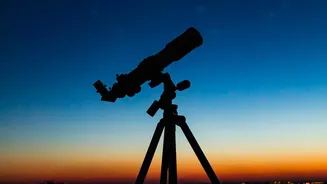
The best way to watch a meteor shower is with your naked eyes. Binoculars and telescopes have a narrow field of view, which means you'll likely miss the meteors that flash across wider sections of the sky. Leave them behind. Instead, focus on comfort. Bring a blanket to lie on or a reclining chair. Autumn nights can be chilly, so a warm jacket and a flask of a hot beverage are excellent companions for your stargazing vigil. The goal is to get comfortable enough to lie back and look up for an extended period without straining your neck.