






What Exactly Is Ambali?
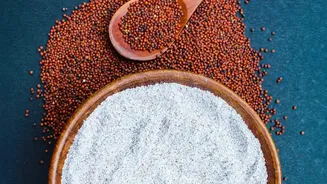
Ambali is a traditional fermented porridge-like drink with deep roots in Southern India, particularly in states like Karnataka, Andhra Pradesh, and Telangana. It’s made from simple, wholesome ingredients: millet flour—most commonly ragi (finger millet)—is
cooked into a porridge, which is then left to ferment naturally overnight or for 8-12 hours. This fermentation process gives the drink its characteristic mild, tangy flavour and a host of health benefits. Traditionally a food for agrarian communities, this humble beverage is now being recognised for its powerful nutritional profile. The final drink is thin, refreshing, and can be served savoury with buttermilk and spices or sweetened with a touch of jaggery.
A Probiotic and Prebiotic Powerhouse
The magic of ambali lies in its fermentation. This natural process transforms the simple millet porridge into a rich source of probiotics—the beneficial bacteria essential for a healthy gut microbiome. These live cultures can help improve digestion, support immune function, and reduce bloating. But ambali offers a two-pronged approach to gut health. Millets themselves are rich in insoluble fibre, which acts as a prebiotic. This means the fibre feeds the good bacteria already present in your gut, helping them thrive and produce beneficial compounds like short-chain fatty acids that strengthen the gut lining. Studies have shown that fermentation not only creates probiotics but also reduces anti-nutrients like phytic acid, making it easier for your body to absorb the rich minerals found in millet.
Beyond the Gut: The Millet Advantage
While the probiotic benefits are a major draw, the nutritional foundation of ambali—millet—is a superfood in its own right. Ragi, or finger millet, is a nutritional powerhouse. It is one of the best plant-based sources of calcium, crucial for bone health. It's also packed with iron, protein, and essential amino acids. Being naturally gluten-free, ambali is an excellent option for individuals with celiac disease or gluten sensitivities. Furthermore, millets have a low glycemic index, meaning they release sugar into the bloodstream slowly. This helps in managing blood sugar levels, providing sustained energy without the spikes and crashes associated with more processed grains.
Ambali vs. Kombucha and Kefir
So how does ambali stack up against other popular probiotic drinks? While kombucha and kefir have dominated the wellness scene, ambali offers some distinct advantages. Unlike most kefir, ambali is completely dairy-free, making it suitable for vegans and those with lactose intolerance. Compared to kombucha, which is tea-based, ambali is caffeine-free and often contains far less sugar, as it doesn't require sugar for its fermentation process in the same way. While kombucha is known for its antioxidants and kefir for its wide range of probiotic strains, ambali provides a unique combination of probiotics, prebiotic fibre, and the dense nutritional benefits of millet, such as high levels of calcium and iron. It's less of a fizzy, flavoured drink and more of a nourishing, functional beverage rooted in whole-food tradition.
The Revival of an Ancient Superfood
Ambali isn’t a new invention; it's a rediscovery. Its rising popularity is part of a larger global trend of looking back to traditional food wisdom for modern health solutions. As consumers become more conscious about gut health and seek out natural, minimally processed foods, ambali fits the bill perfectly. It aligns with the growing interest in millets, which were declared the focus of the International Year of Millets in 2023, and the desire for functional beverages that do more than just hydrate. Nutritionists and wellness advocates are increasingly championing ambali for its simplicity, affordability, and holistic benefits, positioning it not just as a drink, but as a sustainable lifestyle choice for a healthier gut and body.